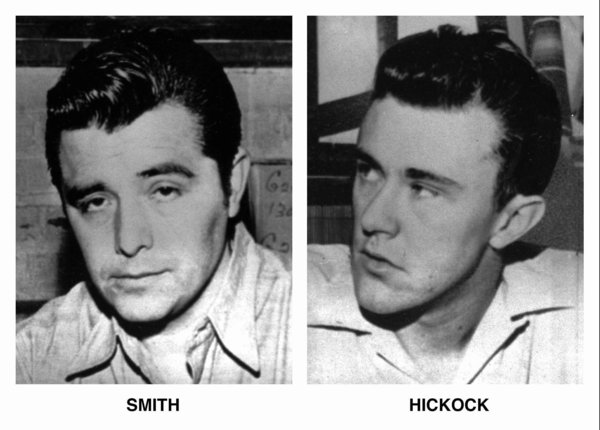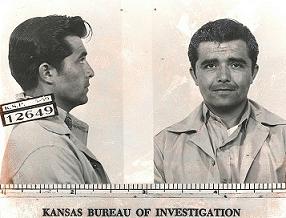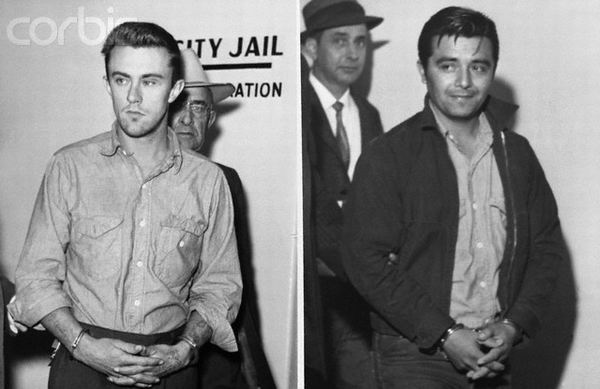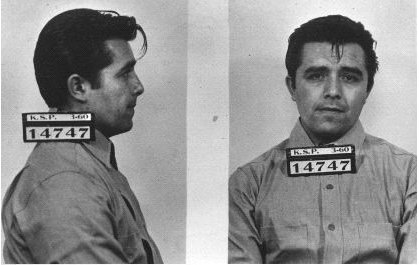


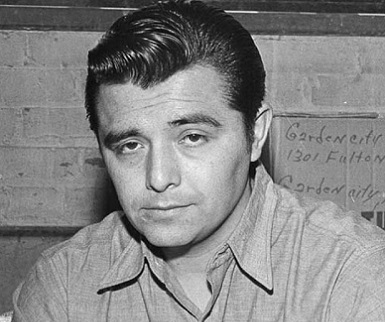
Forensic & Criminological Matrix
| Parameter | Forensic Detail |
|---|---|
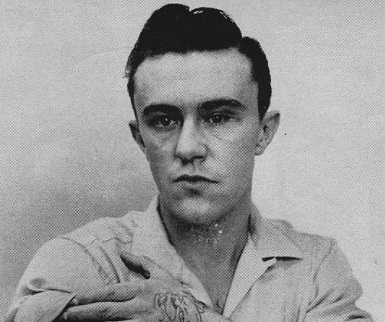
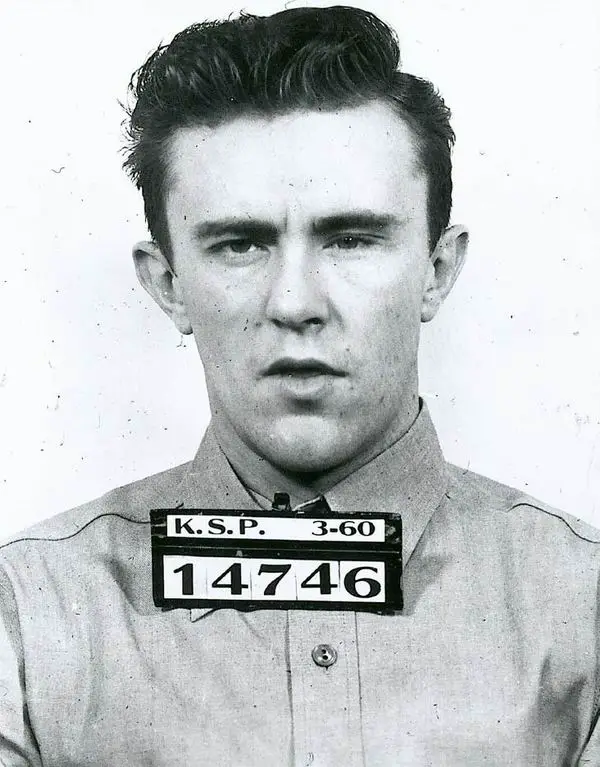
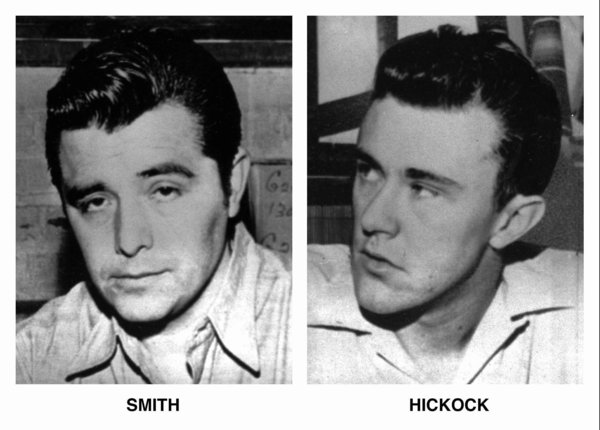
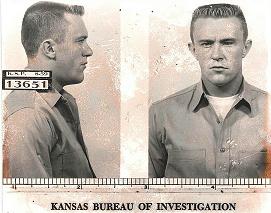
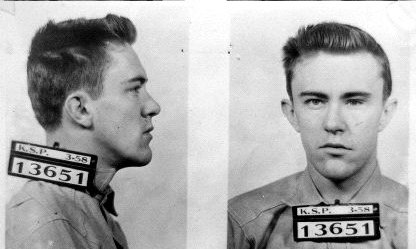
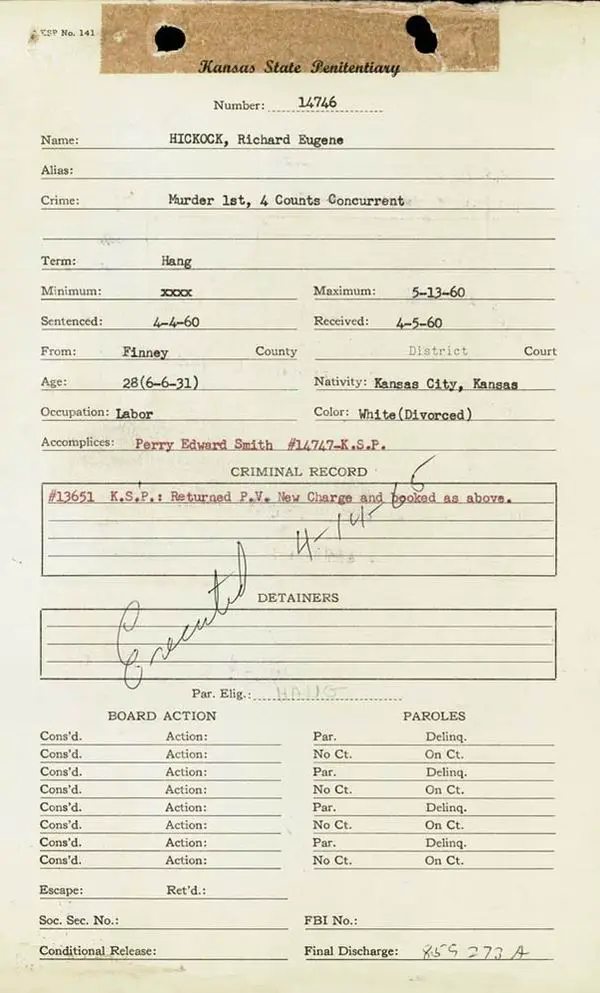
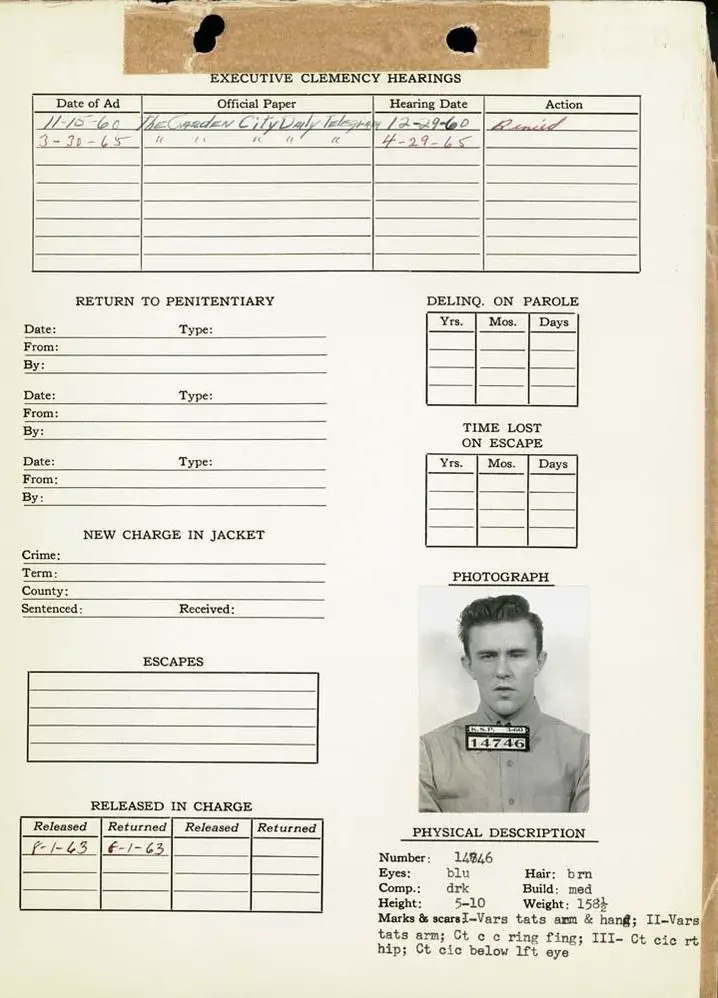
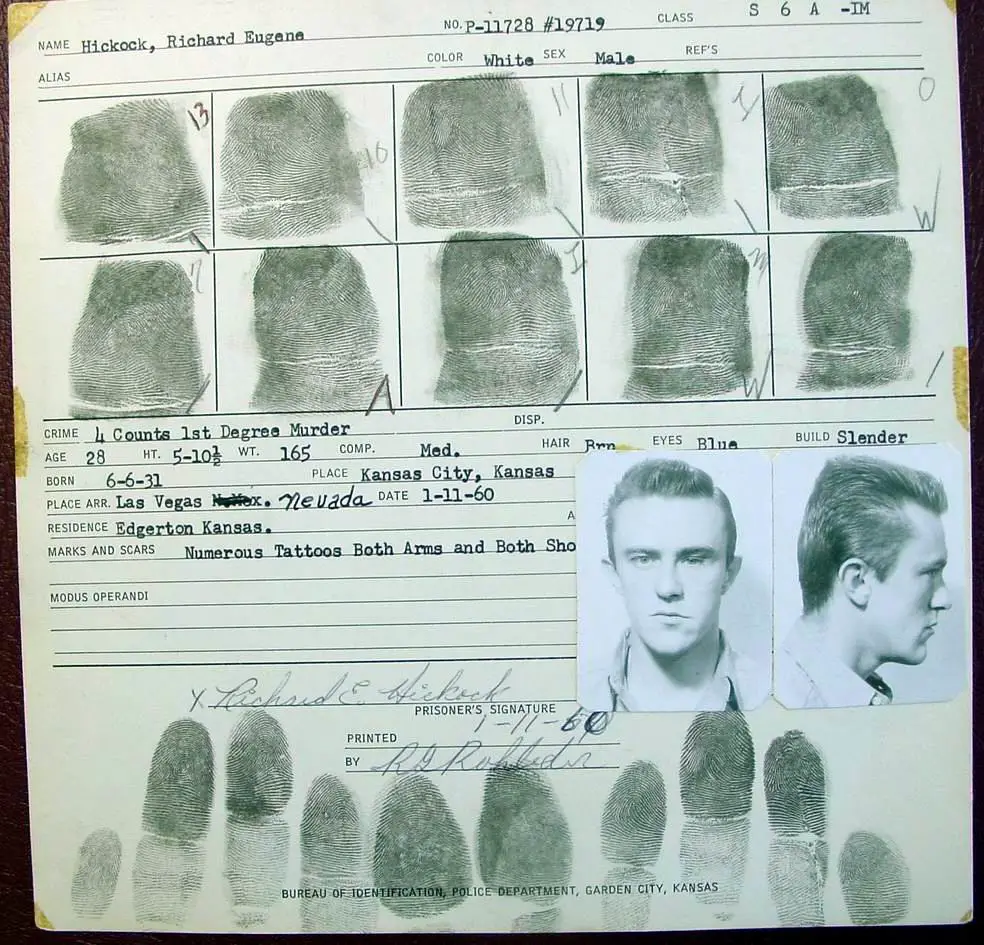
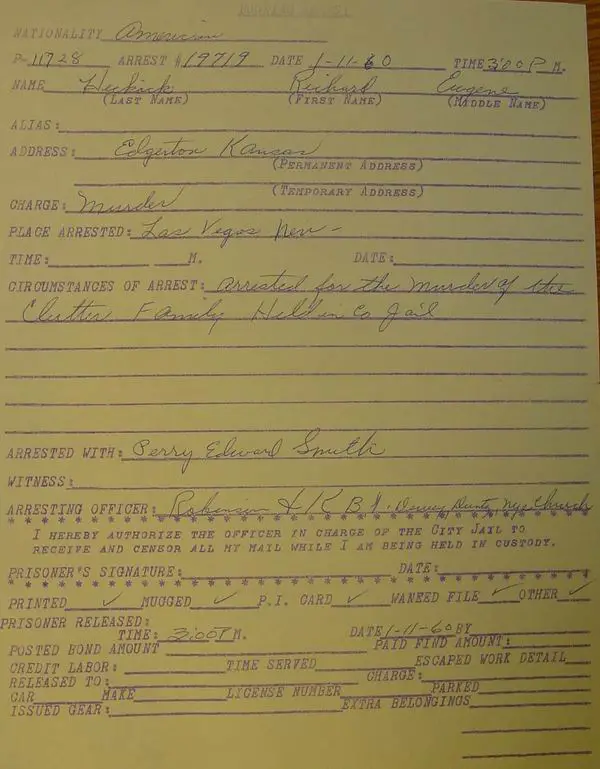
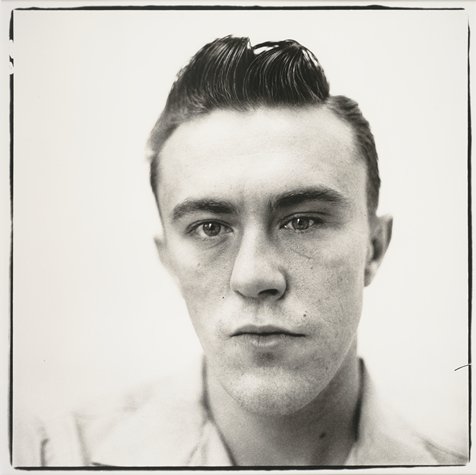
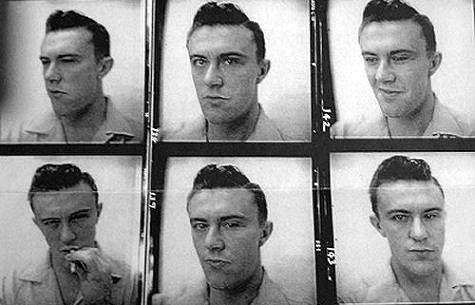
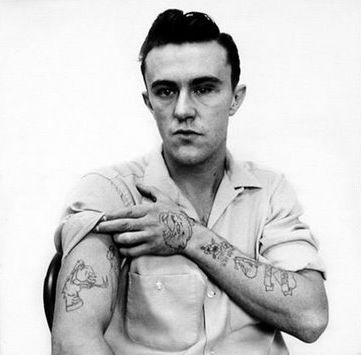
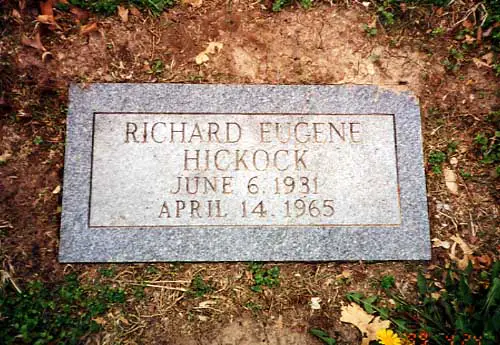
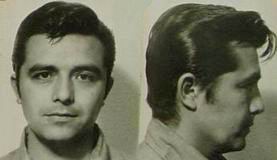
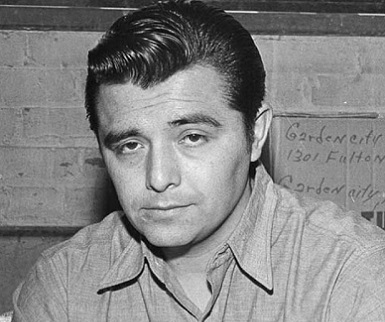
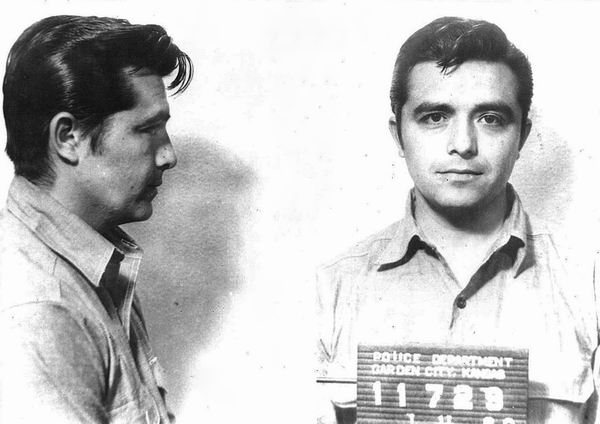
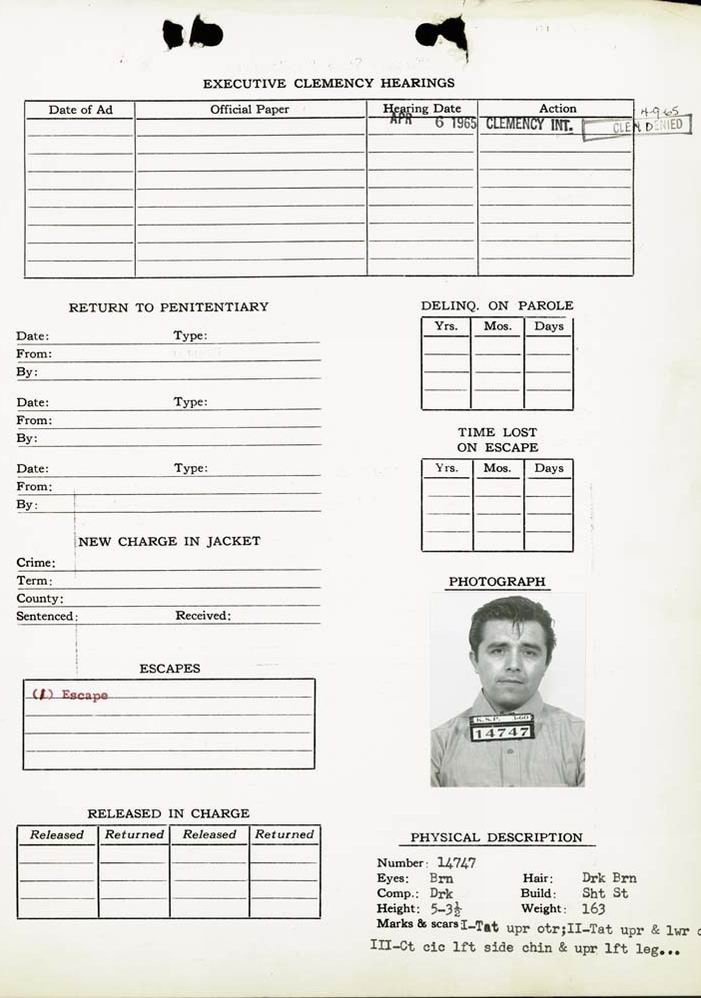
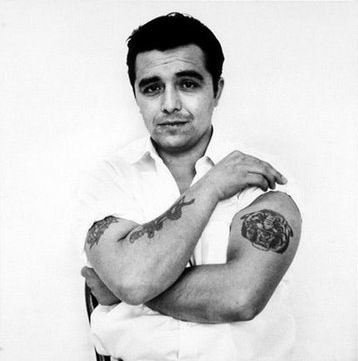
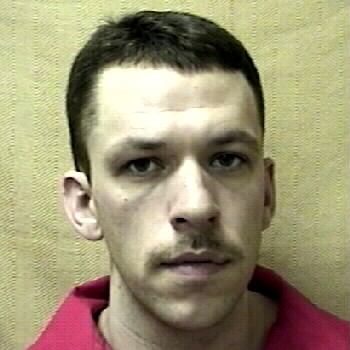
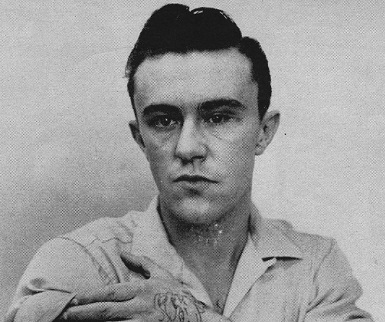
| Full Legal Name | Richard Eugene Hickock |
| Registered Monikers | Dick Hickock |
| Nationality | American |
| Date and Place of Birth | June 6, 1931, Kansas City, Kansas, United States |
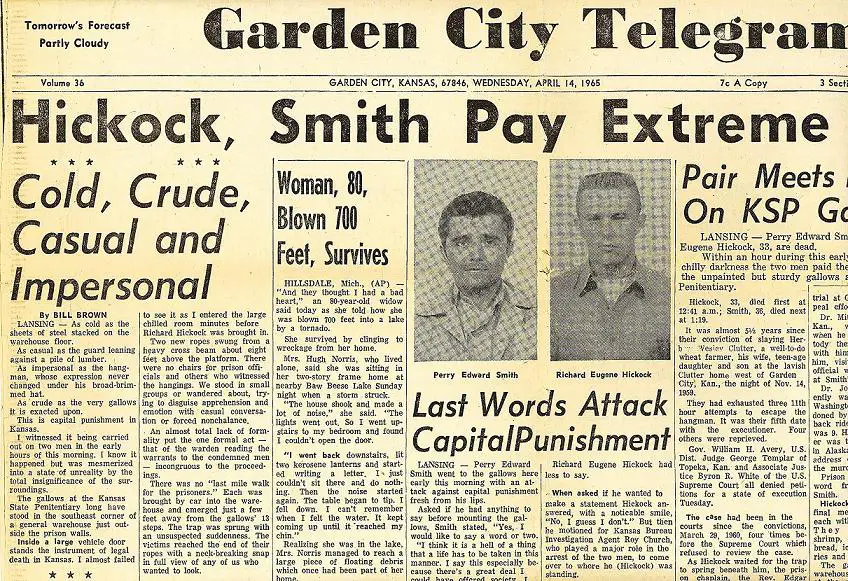
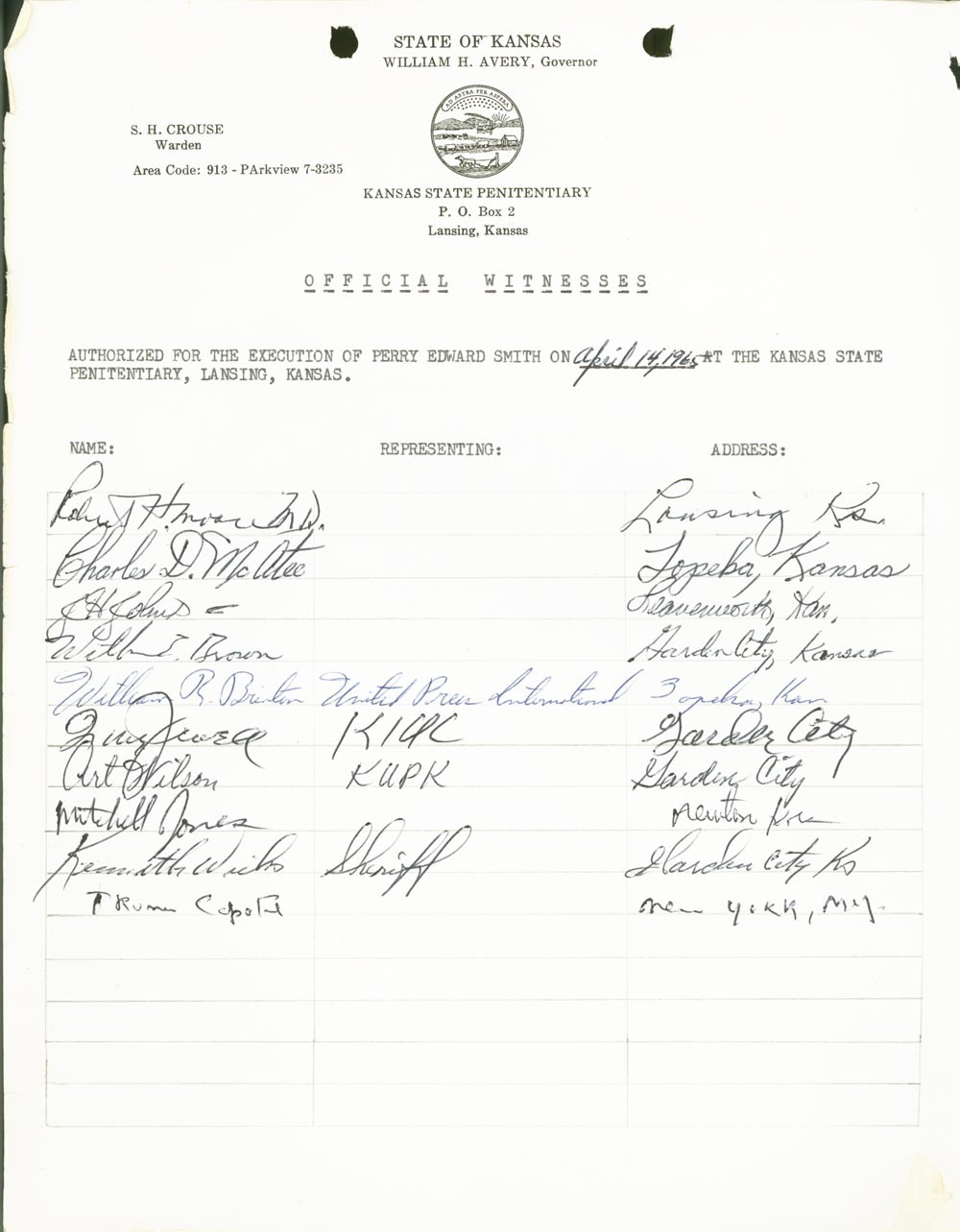
| Date and Place of Death | April 14, 1965, Kansas State Penitentiary, Lansing, Kansas (aged 33) |
| Cause of Death | Judicial hanging (capital punishment) |
| Criminal Classification | Robbery-homicide perpetrator / Mass murderer / Lethal criminal duo |
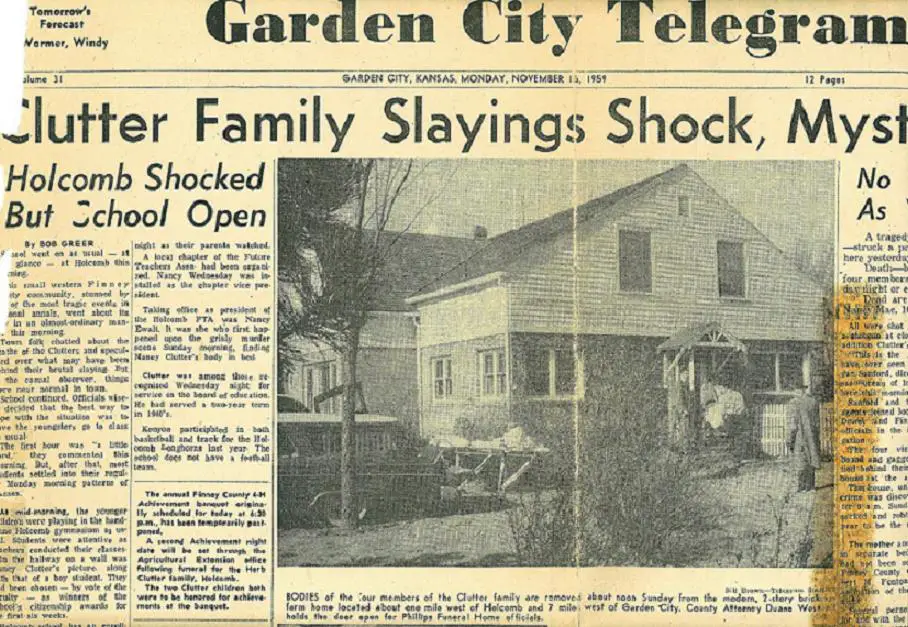
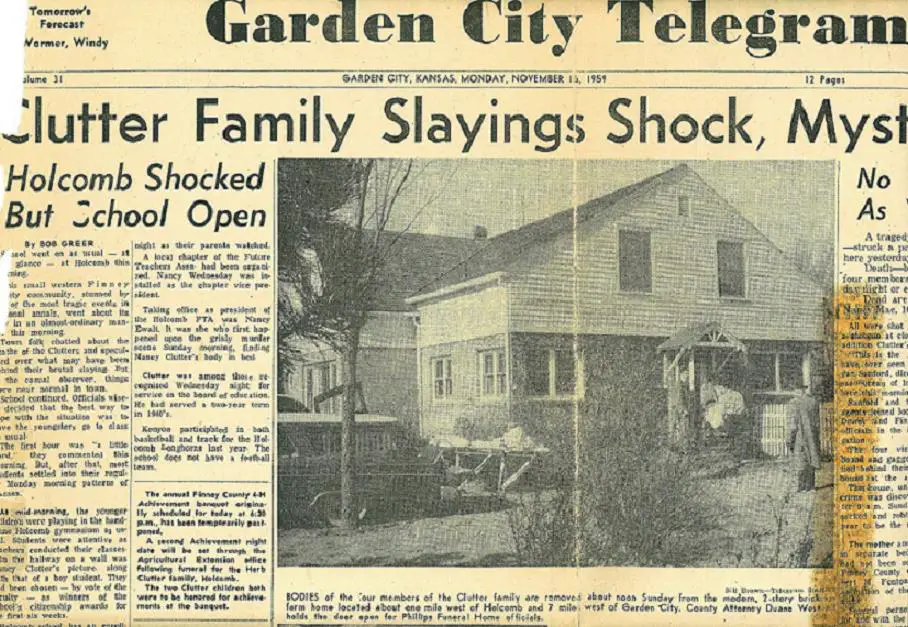
| Date of Offense | November 15, 1959 |
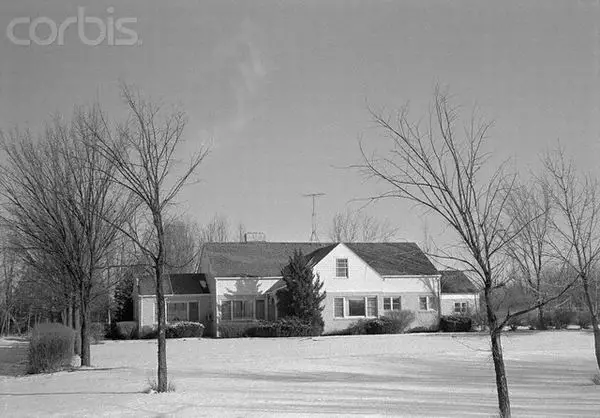
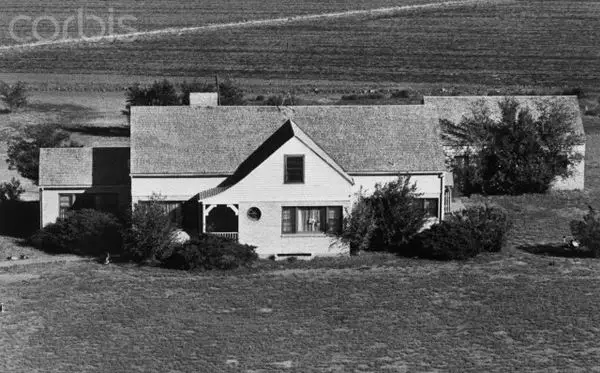
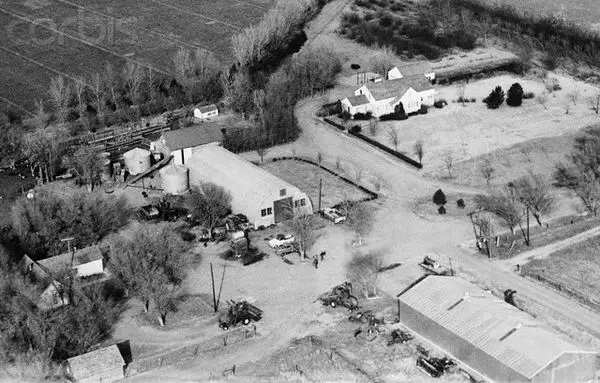
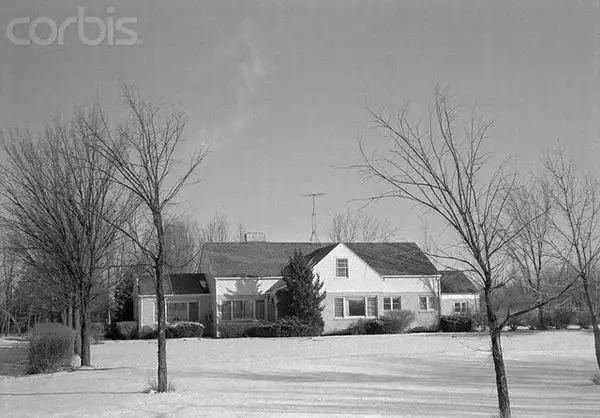
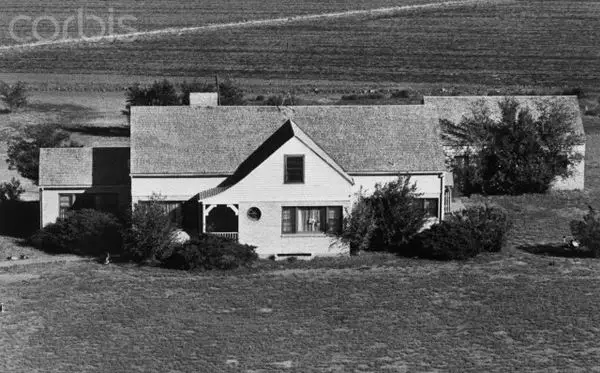
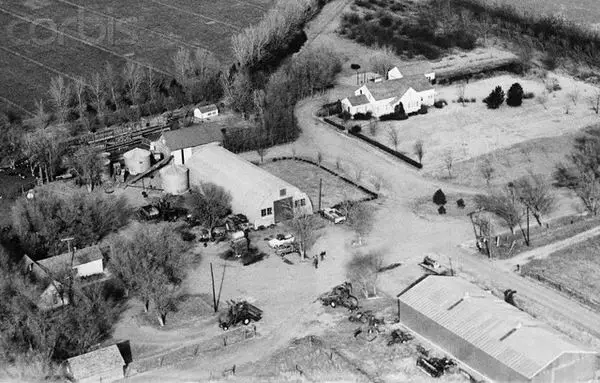
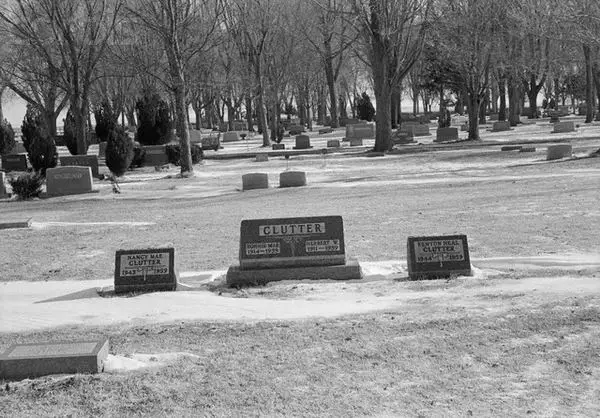
| Location of Offense | Clutter family farmhouse, Holcomb, Finney County, Kansas |
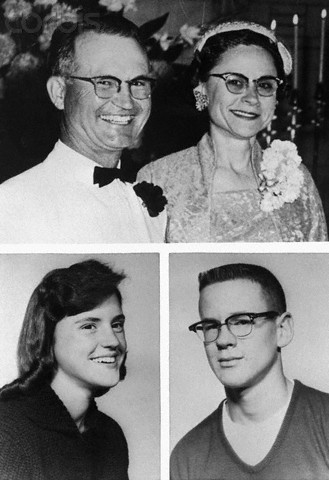
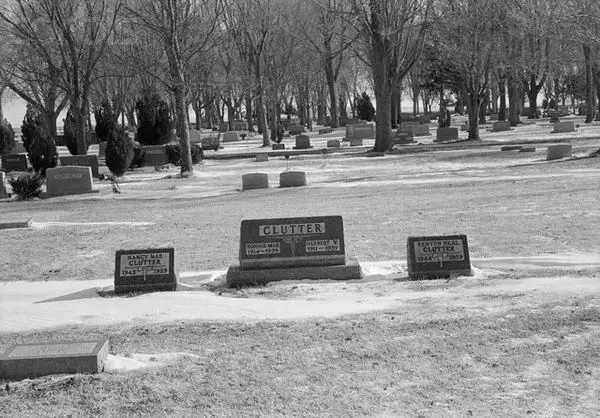
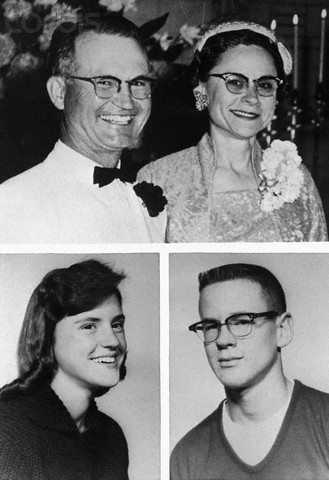
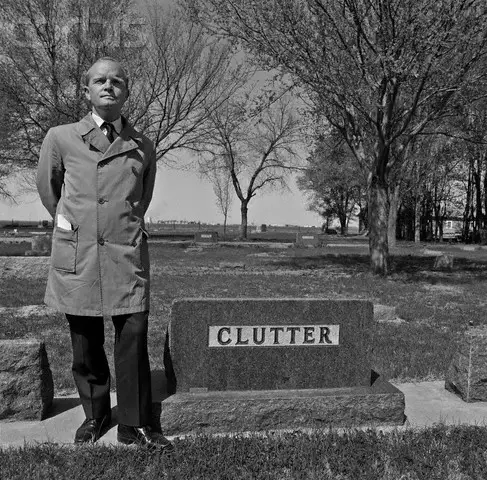
| Confirmed Victims | 4 (Herbert Clutter, 48; Bonnie Fox Clutter, 45; Nancy Clutter, 16; Kenyon Clutter, 15) |
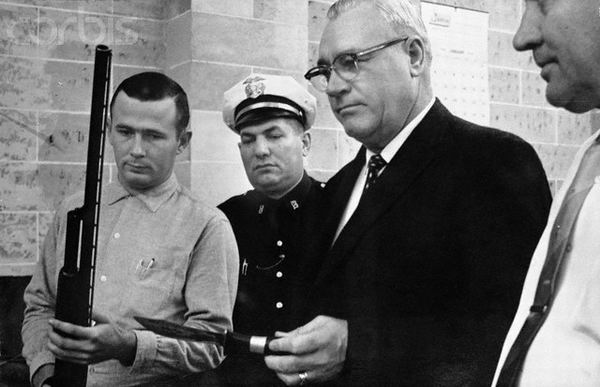
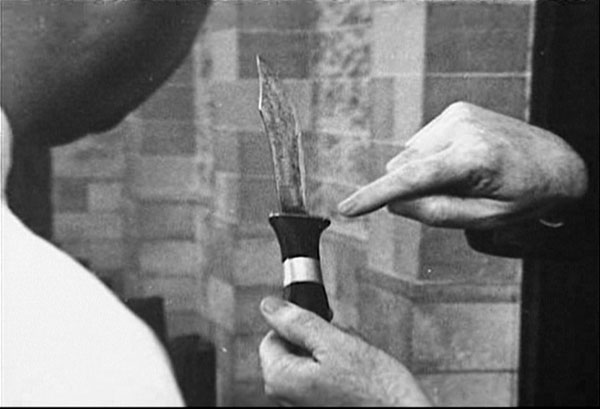
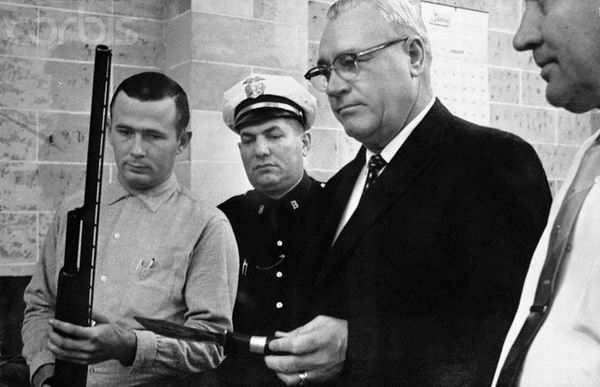
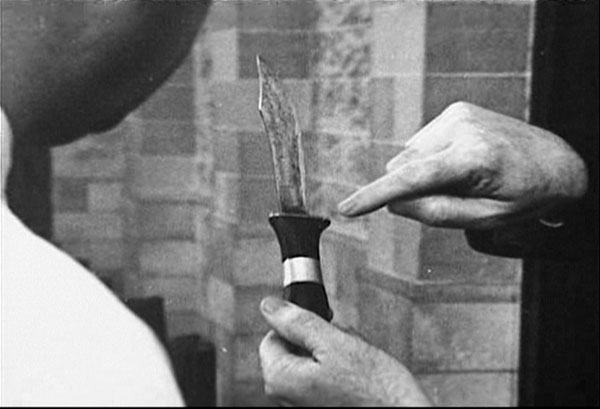
| Weapons Employed | 12-gauge pump-action shotgun and fixed-blade hunting knife |
| Modus Operandi | Nighttime rural residential intrusion predicated on fabricated prison rumors of a $10,000 safe; systematic binding and gagging of four family members in separate quarters; throat-slashing and point-blank shotgun blasts to the head to eliminate all living witnesses; interstate and international flight financed through forged checks. |
| Psychological Profile | Antisocial personality disorder with prominent narcissistic and psychopathic traits; severe facial asymmetry and acquired impulsivity resulting from a 1950 traumatic brain injury; manipulative instigator who recruited Perry Smith for his explosive capacity. |
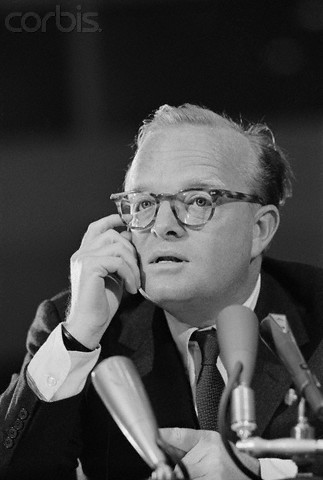
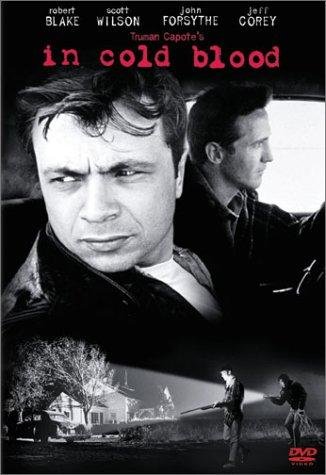
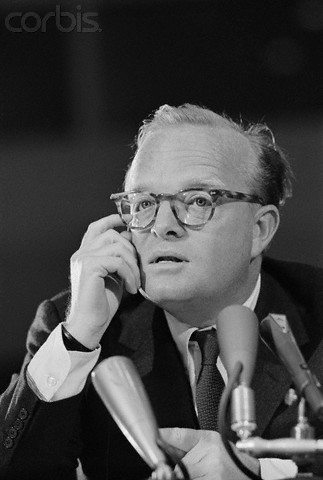
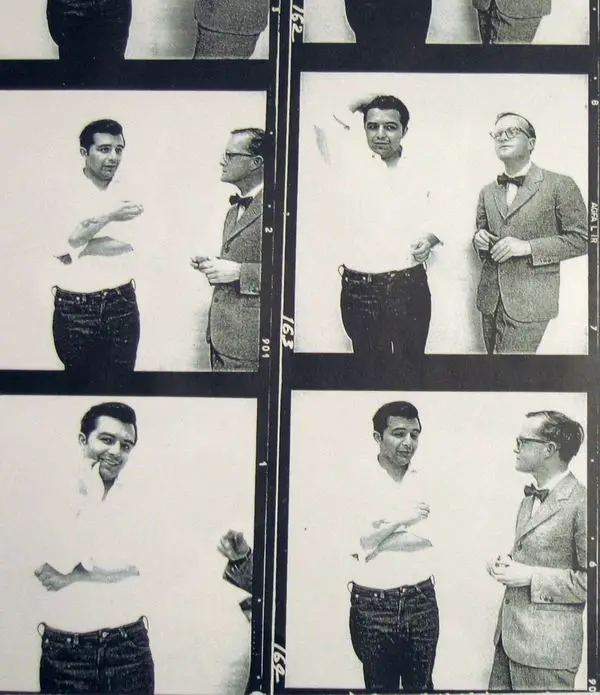
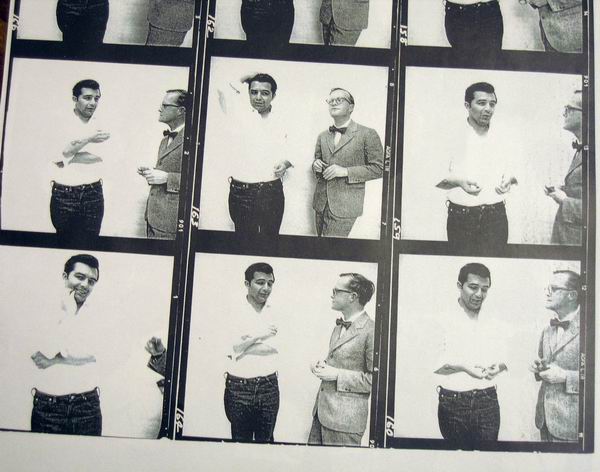
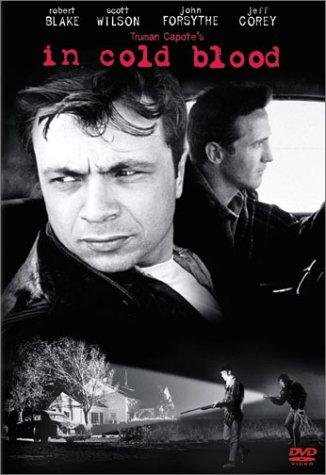
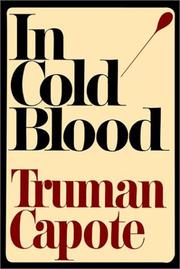
| Literary Landmark | Central figure in Truman Capote's foundational true crime masterpiece In Cold Blood (1966). |
Early Life, Trauma, and Criminal Slide
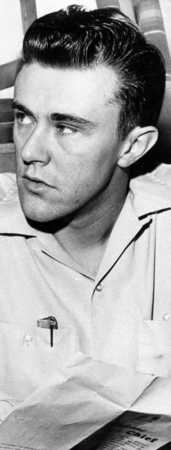
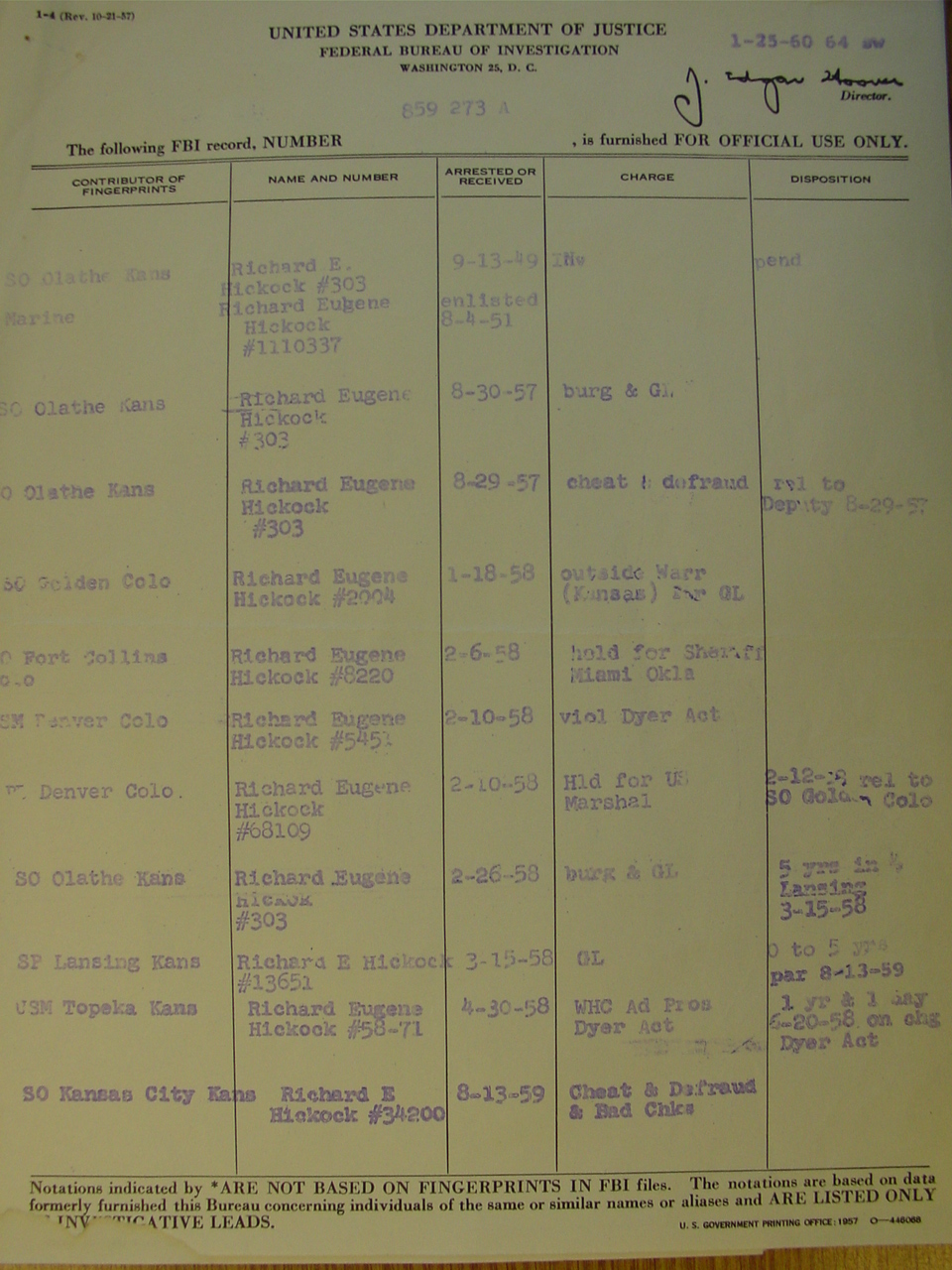
Richard Eugene Hickock grew up in Kansas City in a hardworking farming family. Academically capable and a gifted high school athlete, financial constraints prevented him from attending college. In 1950, a catastrophic automobile accident crushed his skull, resulting in noticeable facial asymmetry and noticeable personality alterations characterized by petty thievery, bad-check schemes, and compulsive deceit.
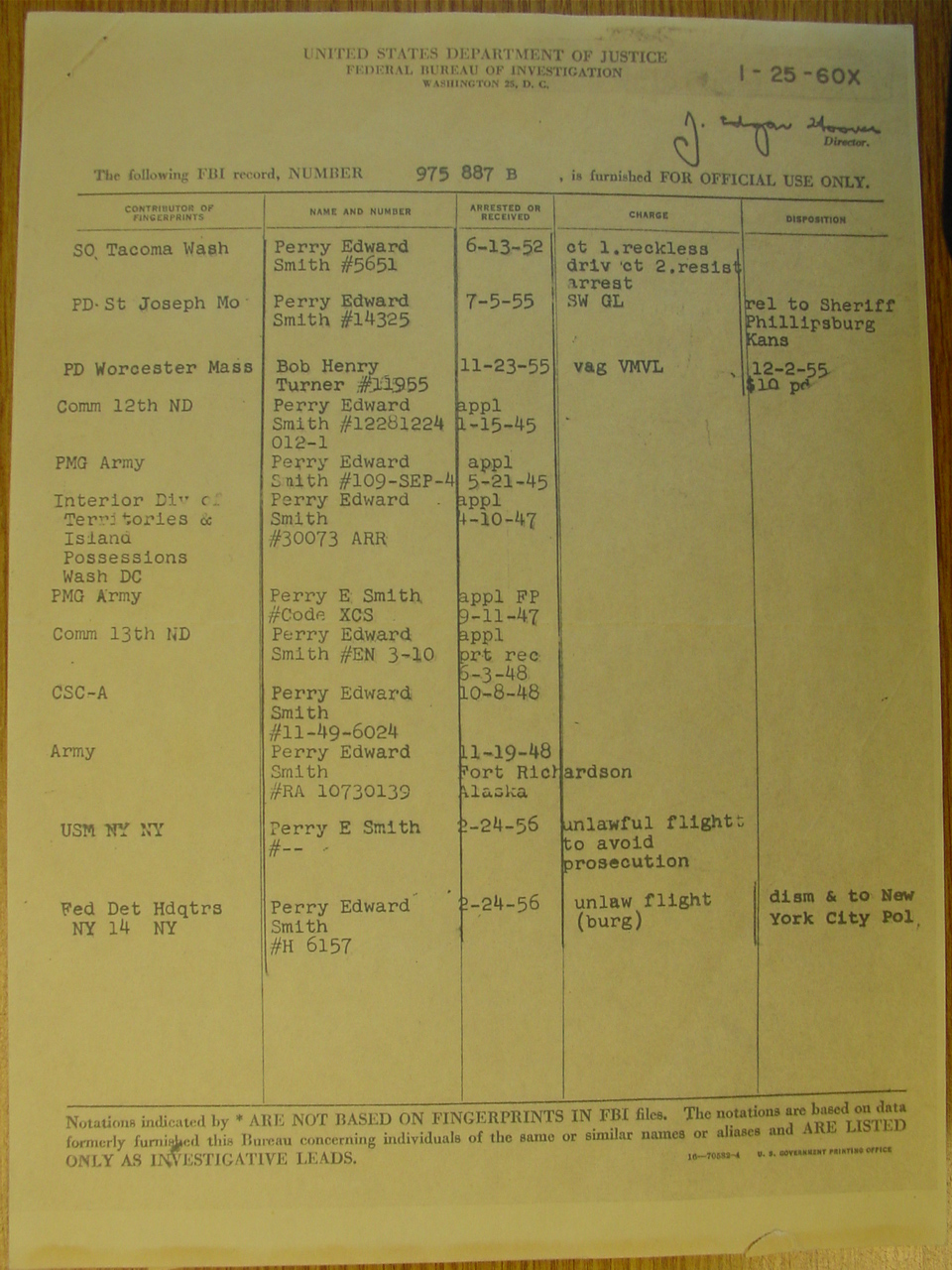
Following incarcerations for burglary and fraud at the Kansas State Penitentiary in Lansing, Hickock met inmate Floyd Wells. Wells, an ex-farmhand for wealthy Finney County wheat grower Herbert Clutter, erroneously asserted that Clutter kept a hidden safe containing $10,000 in cash in his residence. Hickock fixated on this phantom fortune and convinced paroled convict Perry Edward Smith to join him in the heist.
The Clutter Family Mass Murder
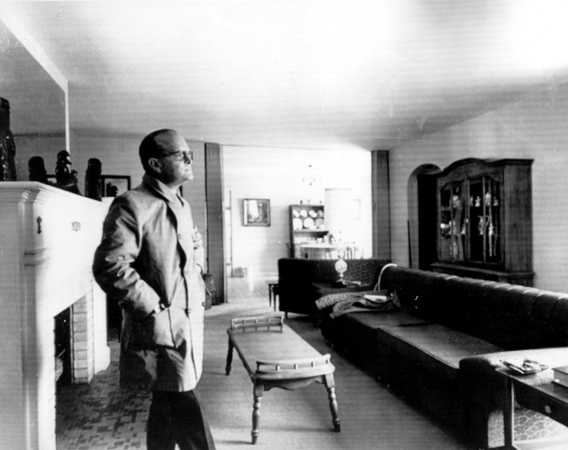
On the night of November 14–15, 1959, Hickock and Smith drove 400 miles across Kansas to the Clutter farmhouse in Holcomb. Entering through an unlocked door, they searched the property only to find that no safe existed and Clutter conducted business entirely by bank check.
Enforcing Hickock's predetermined edict of leaving "no witnesses," the two men bound and gagged Herbert Clutter, his invalid wife Bonnie, and their teenage children, Nancy and Kenyon. Herbert Clutter had his throat cut before being shot in the head with a 12-gauge shotgun in the basement; Kenyon was shot on a nearby couch; Bonnie and Nancy were executed in their upstairs beds. The total loot amounted to roughly $40, a portable radio, and a pair of binoculars.
Investigation, Flight, and Capture
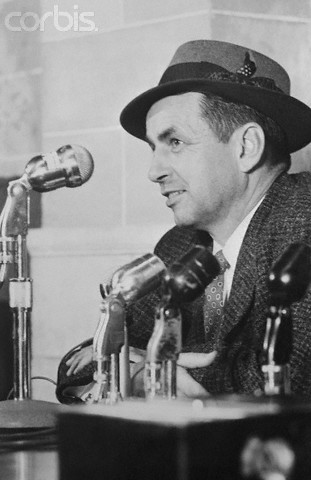
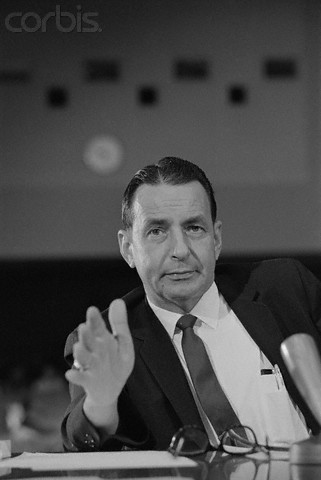
The quadruple murder sent shockwaves across rural America. KBI Lead Detective Alvin Dewey orchestrated an exhaustive manhunt. The decisive breakthrough came when Floyd Wells heard of the killings in prison and notified authorities of Hickock's intentions.
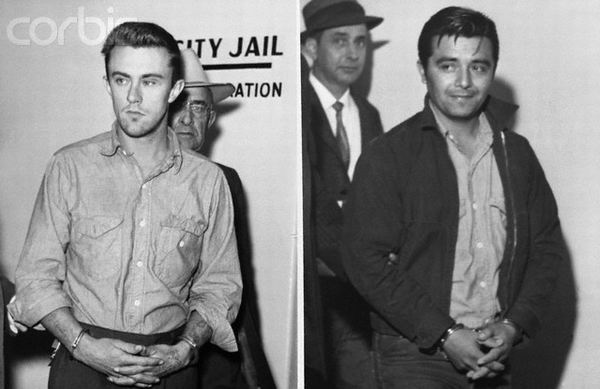
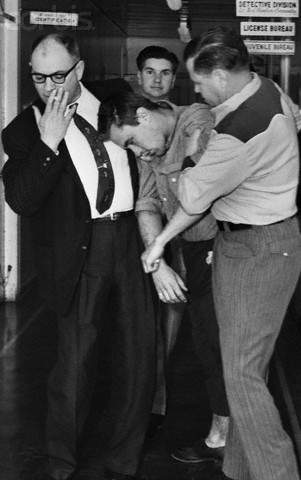
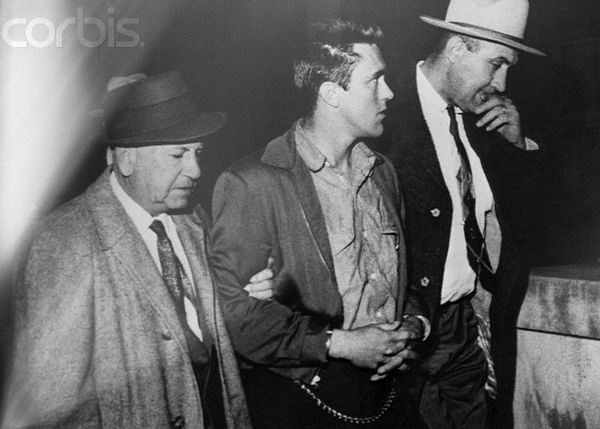
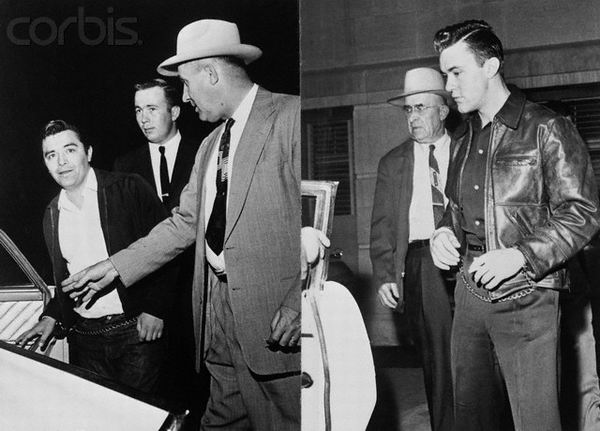
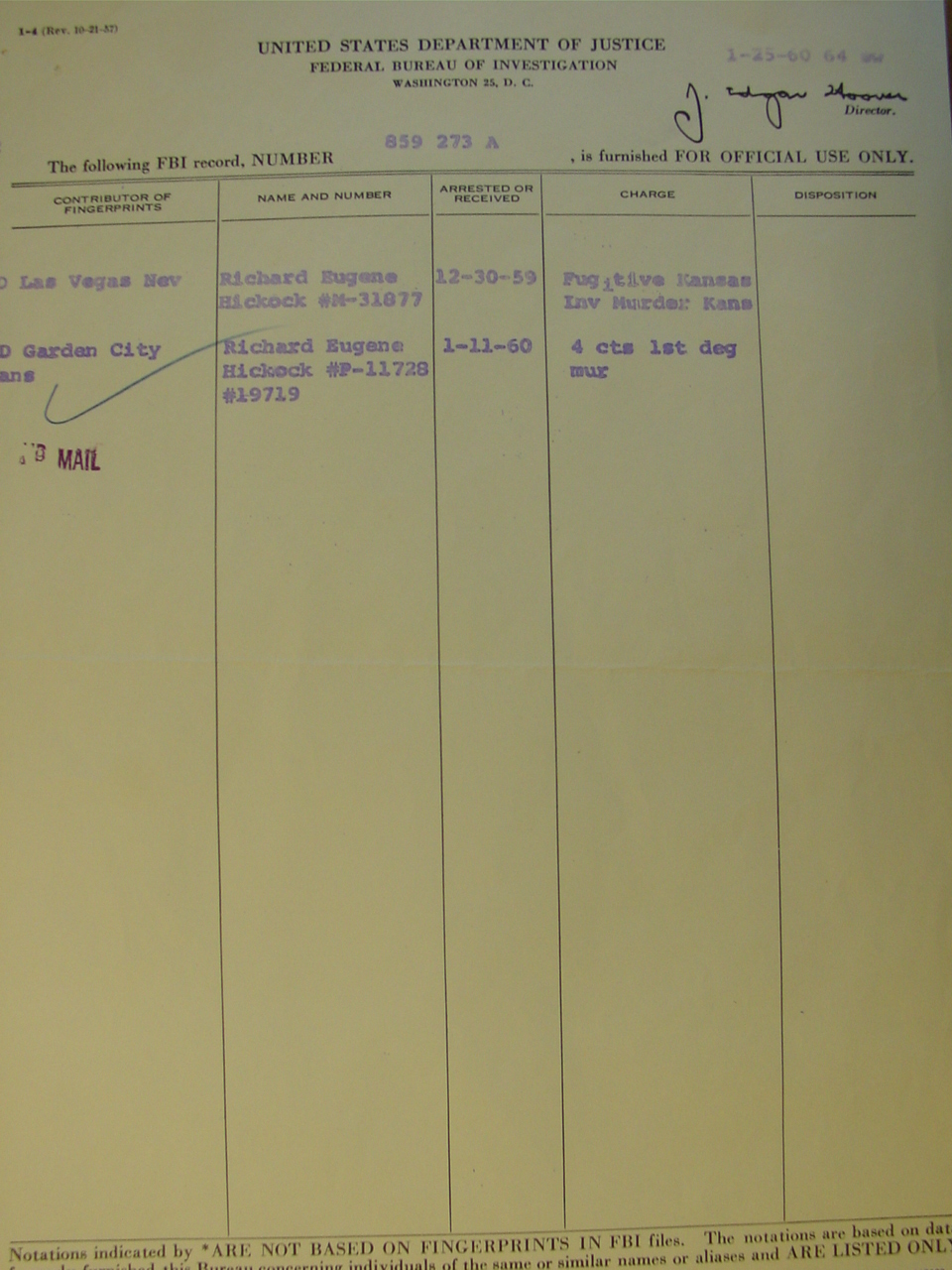
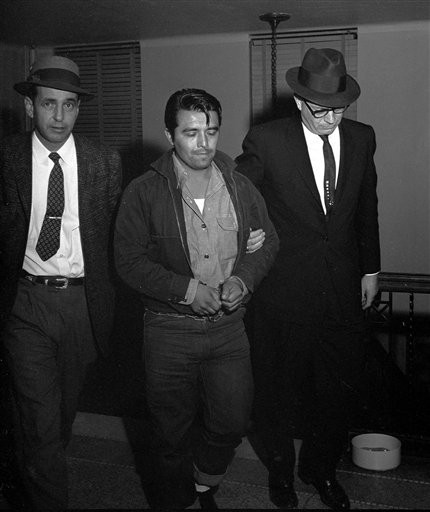
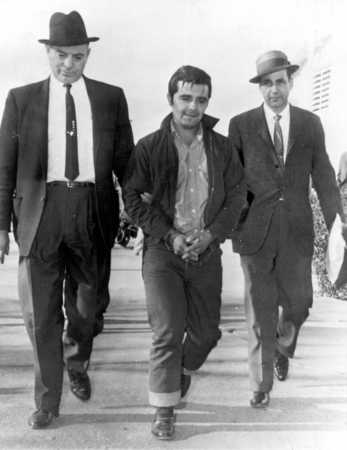
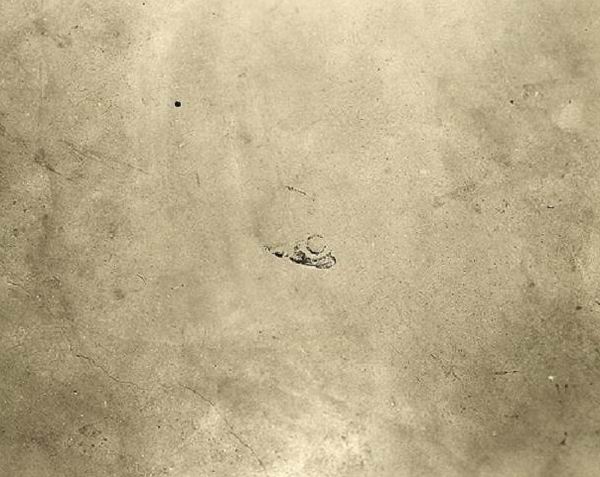
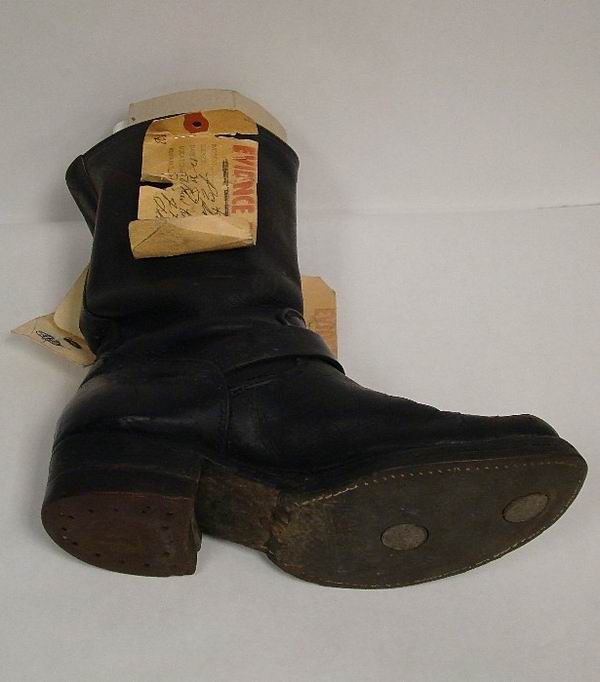
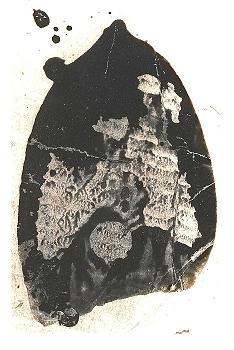
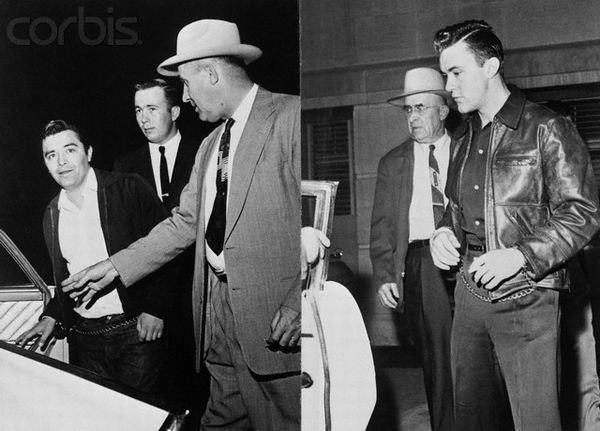
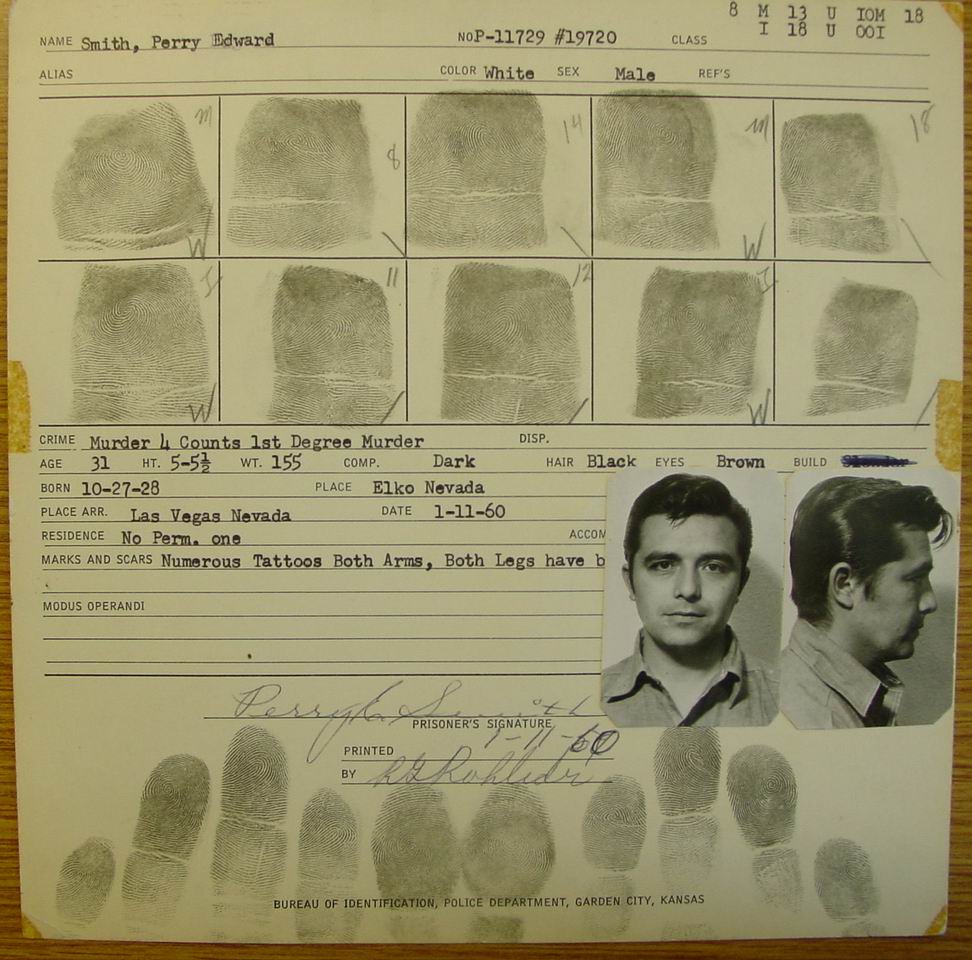
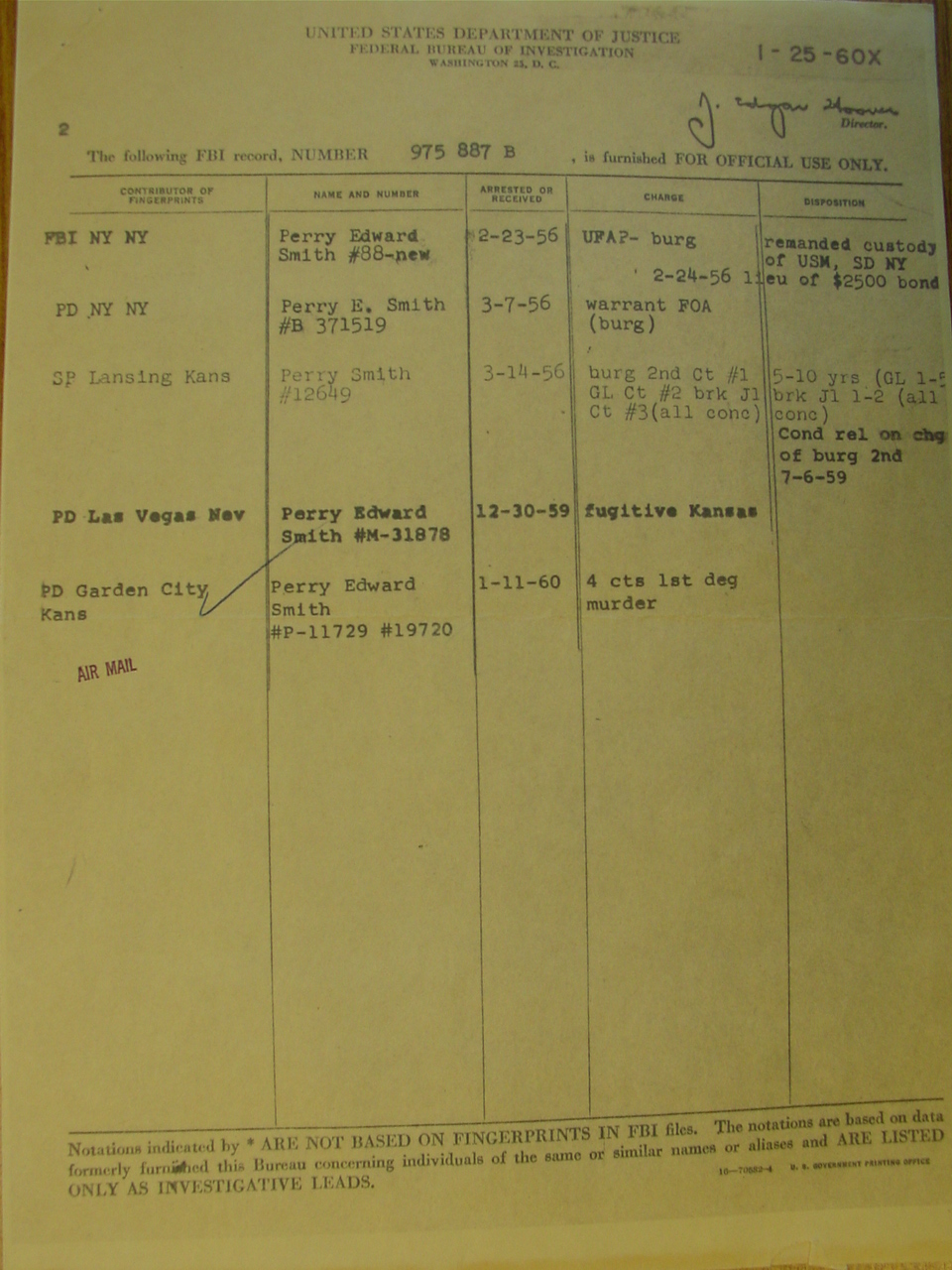
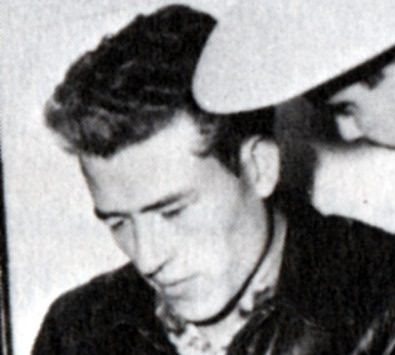
Following a zigzagging six-week flight through Texas, Mexico, California, and Florida bankrolled by passed bad checks, the pair returned to Las Vegas in a stolen car. On December 30, 1959, Las Vegas police stopped and arrested them. Confronted with Dewey's photographic matches of their distinctive boot tracks left at the crime scene, Hickock broke down and confessed, seeking to place the primary physical executions on Smith.
Trial and Hanging at Lansing
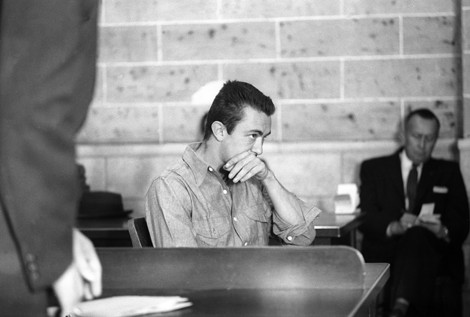
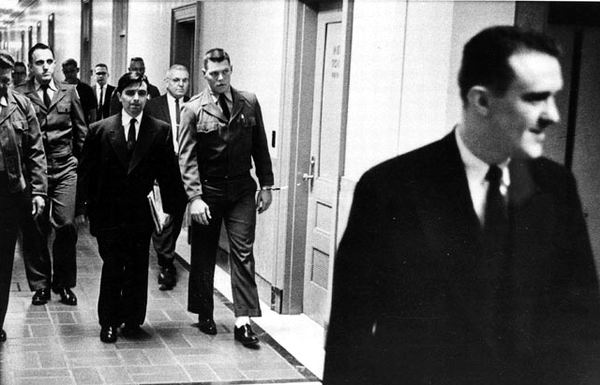
In March 1960, a Finney County jury found both men guilty of first-degree murder after rejecting defense insanity petitions. They spent five years on Lansing's death row while appeals reached the United States Supreme Court.
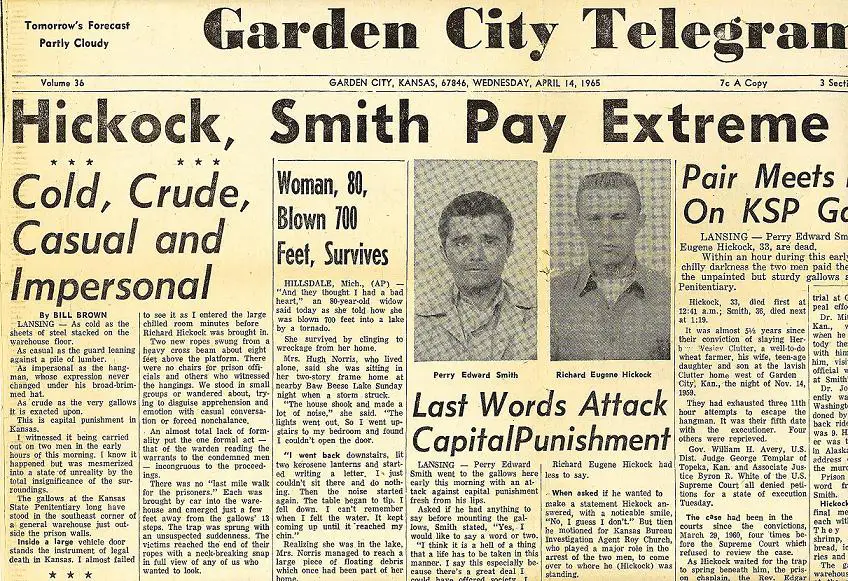
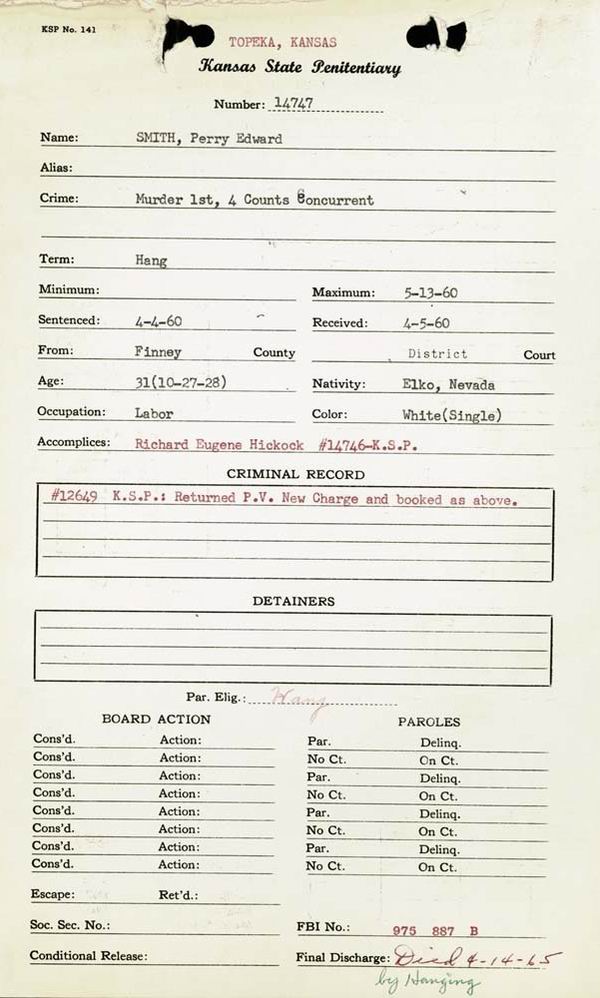
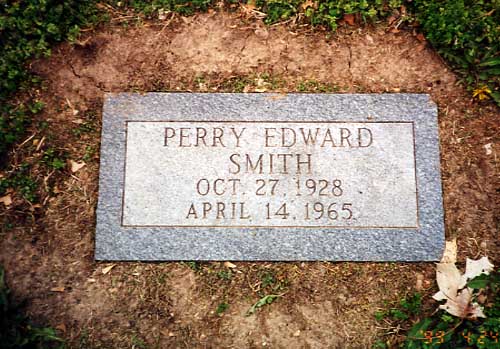
In the early morning hours of April 14, 1965, Richard Hickock mounted the scaffold at the Kansas State Penitentiary. Shaking hands with the KBI detectives who apprehended him, he declared that he held no hard feelings. Hickock was hanged and pronounced dead at 12:41 a.m., followed shortly thereafter by Perry Smith.