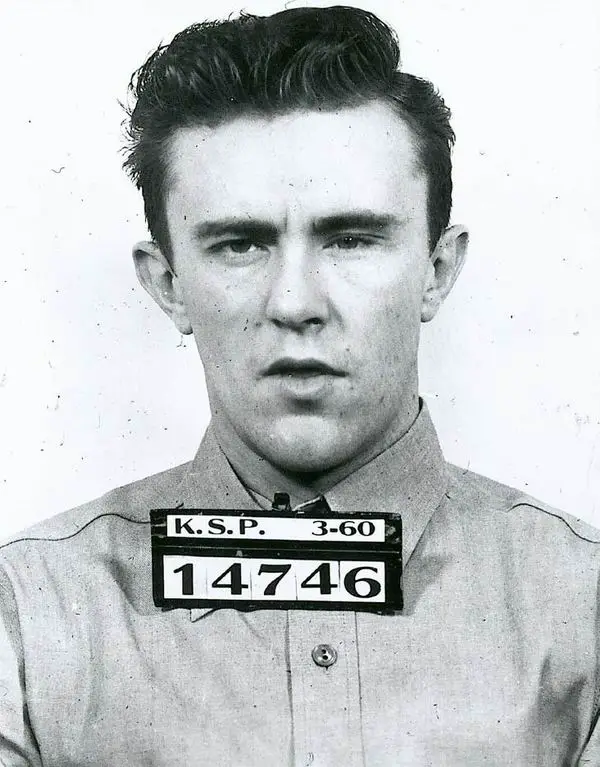




Forensic & Criminological Matrix
| Parameter | Forensic Detail |
|---|---|
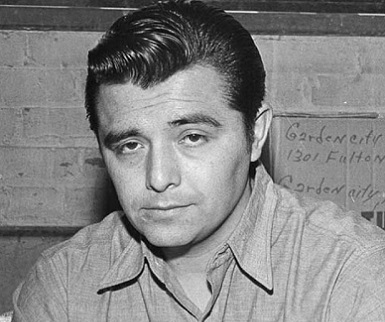
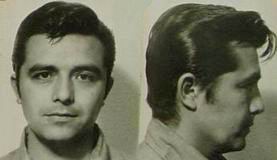
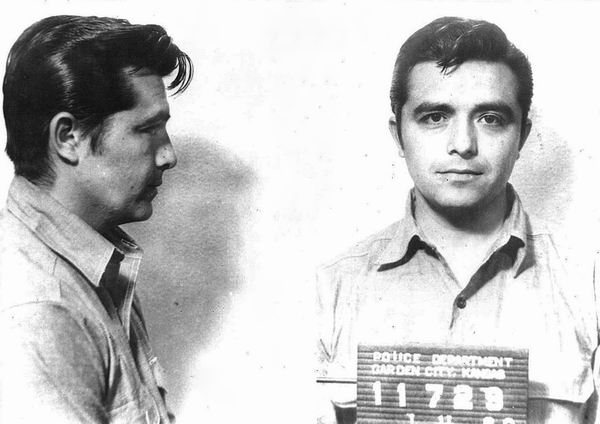
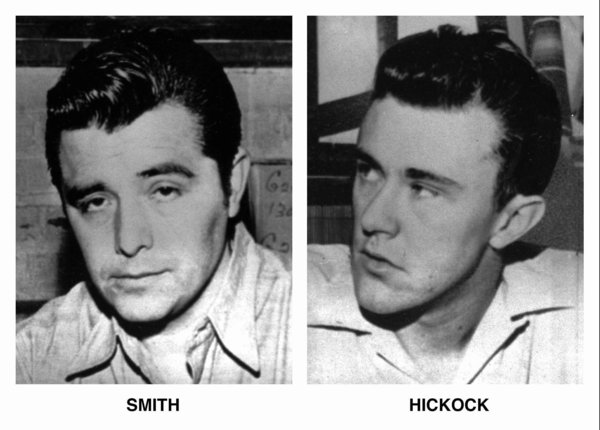
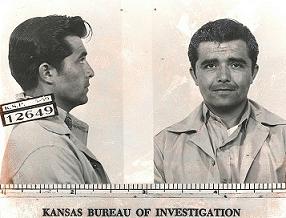
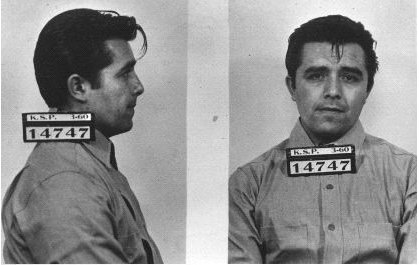
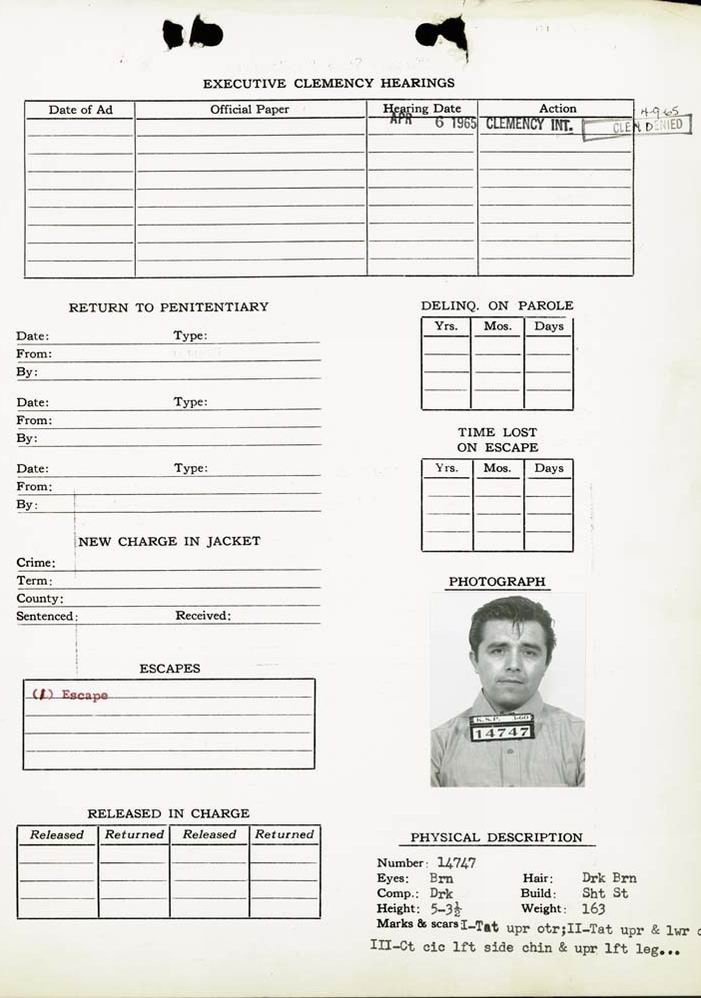
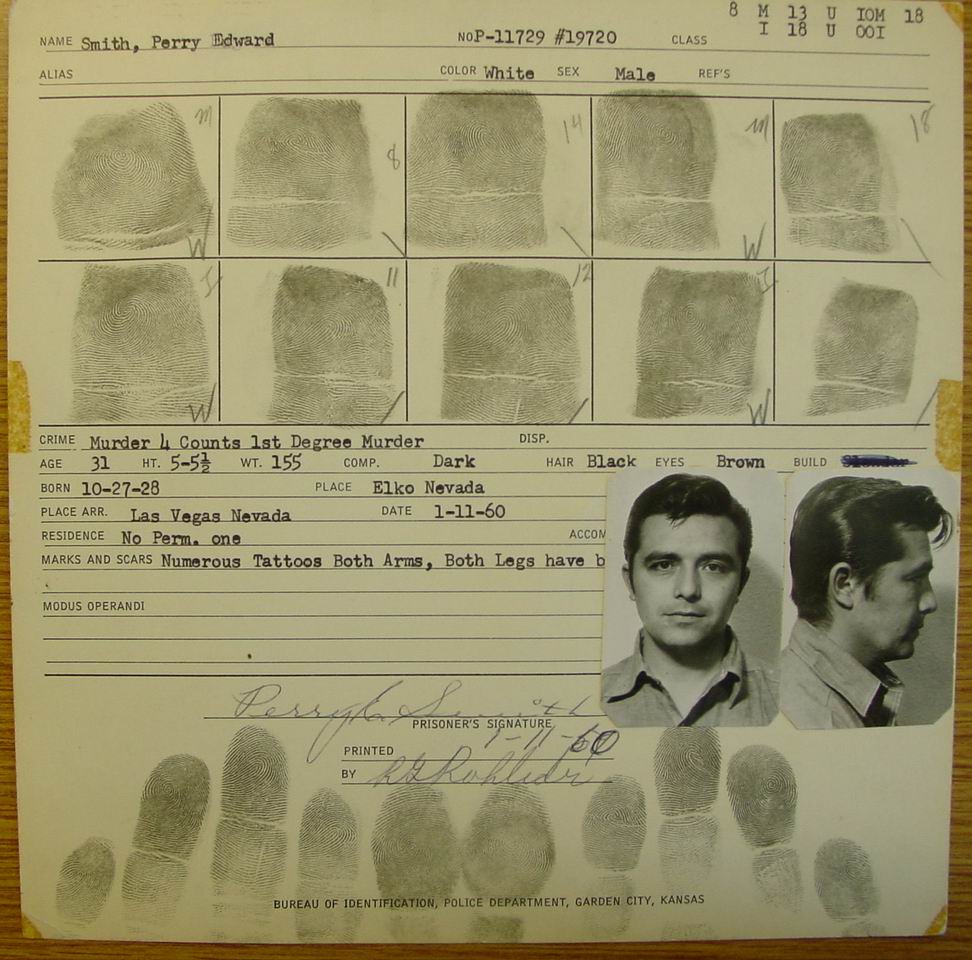
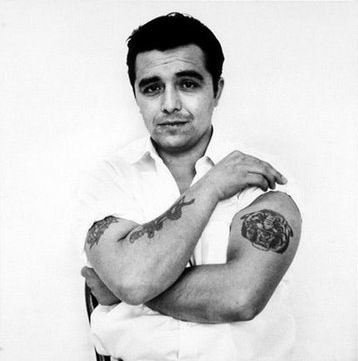
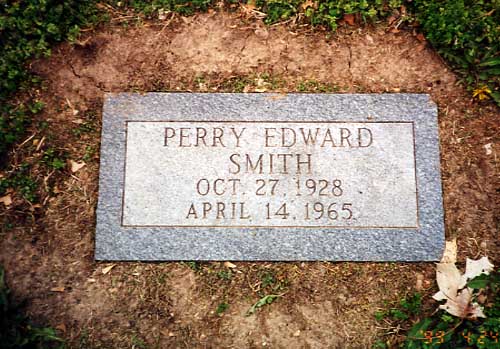
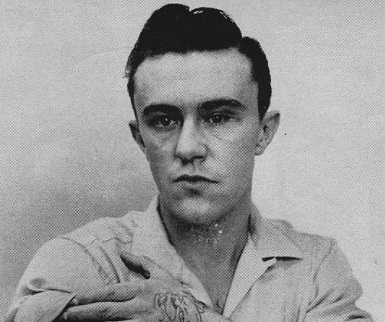
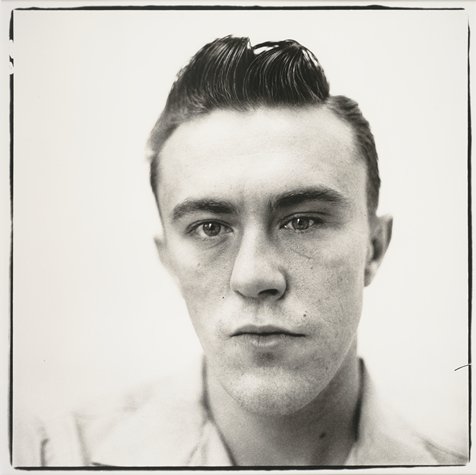
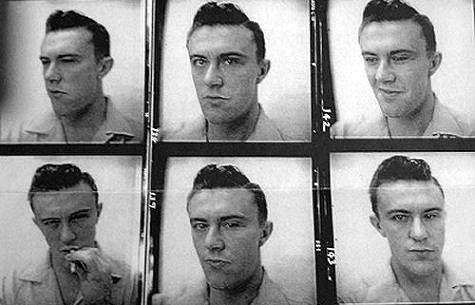
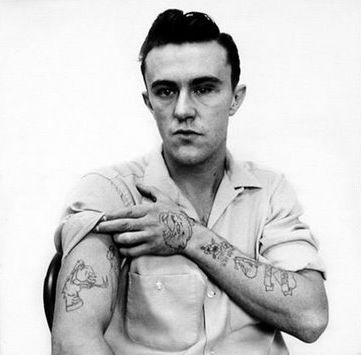
| Full Legal Name | Perry Edward Smith. |
| Criminal Moniker | The In Cold Blood Killer, The Holcomb Farmstead Executioner. |
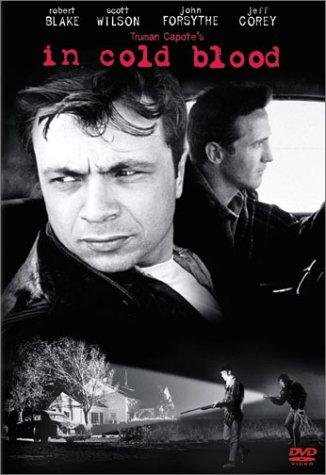
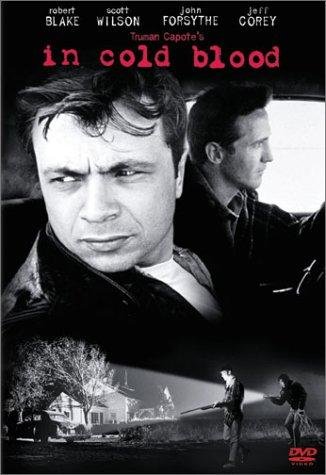
| Literary and Criminological Landmark | Central figure in Truman Capote's non-fiction masterwork In Cold Blood (1966); the defining American case study on home-invasion robbery motivated by inaccurate prison lore culminating in total familial annihilation. |
| Criminological Classification | Mass murderer / Aggravated felony-murder executioner (Home-invasion mass killer). |
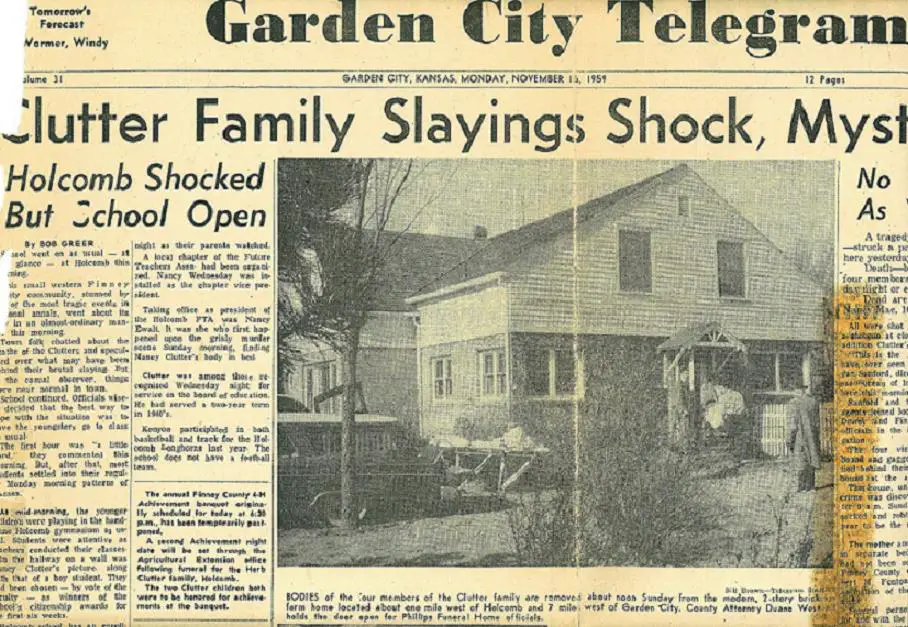
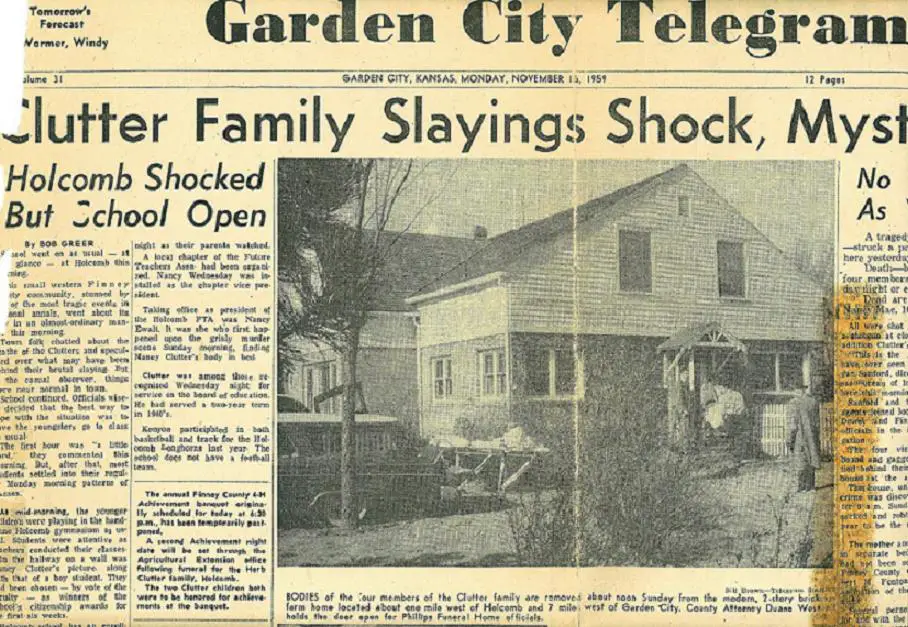
| Date of Crime | Early morning of Sunday, November 15, 1959. |
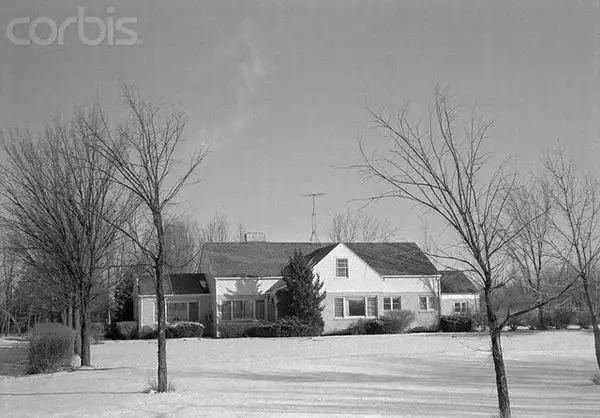
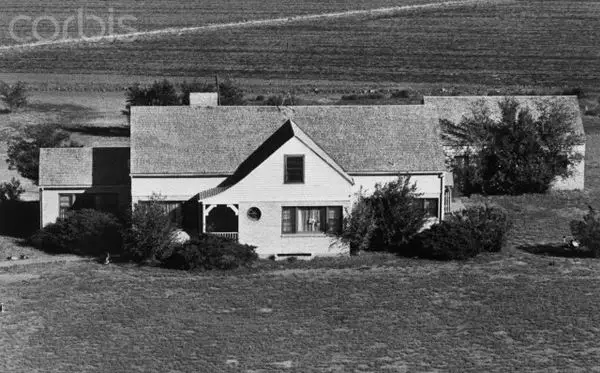
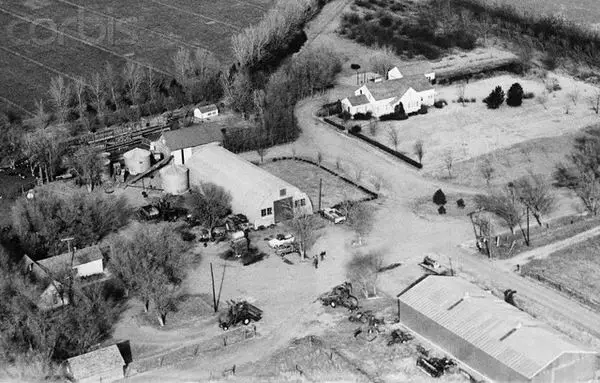
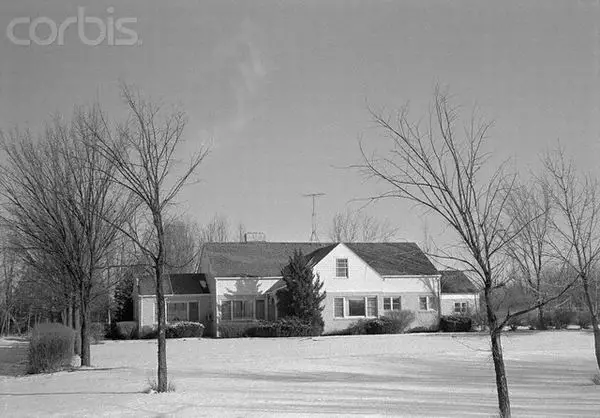
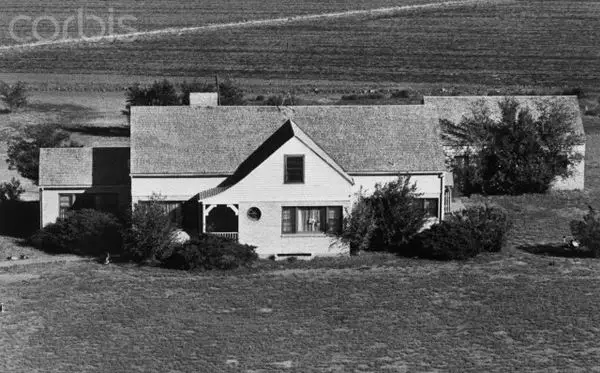
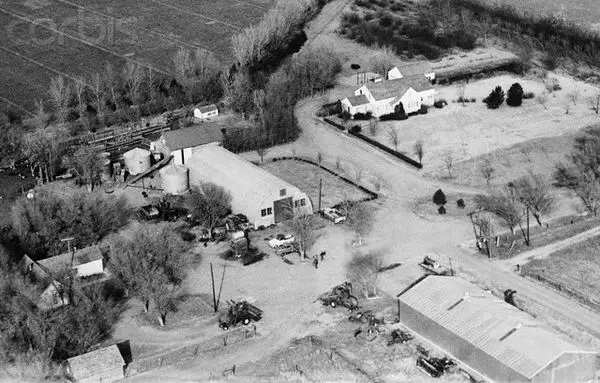
| Crime Scene | River Valley Farm residence, Holcomb, Finney County, Kansas (United States). |
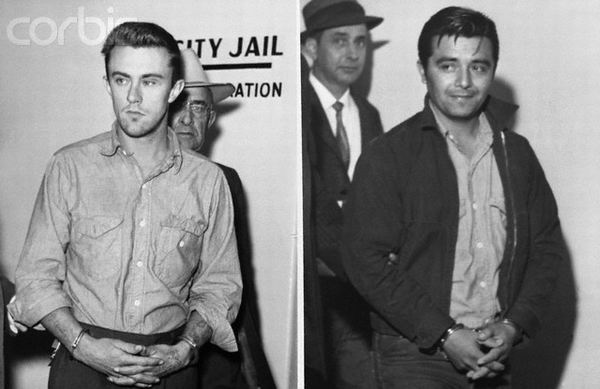
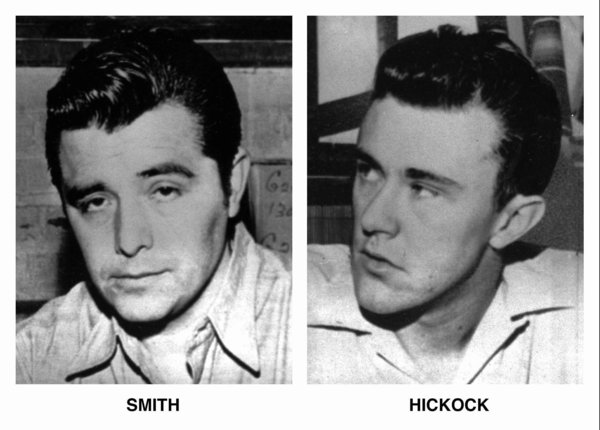
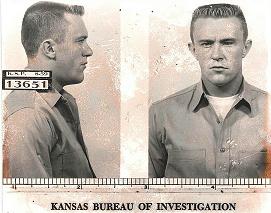
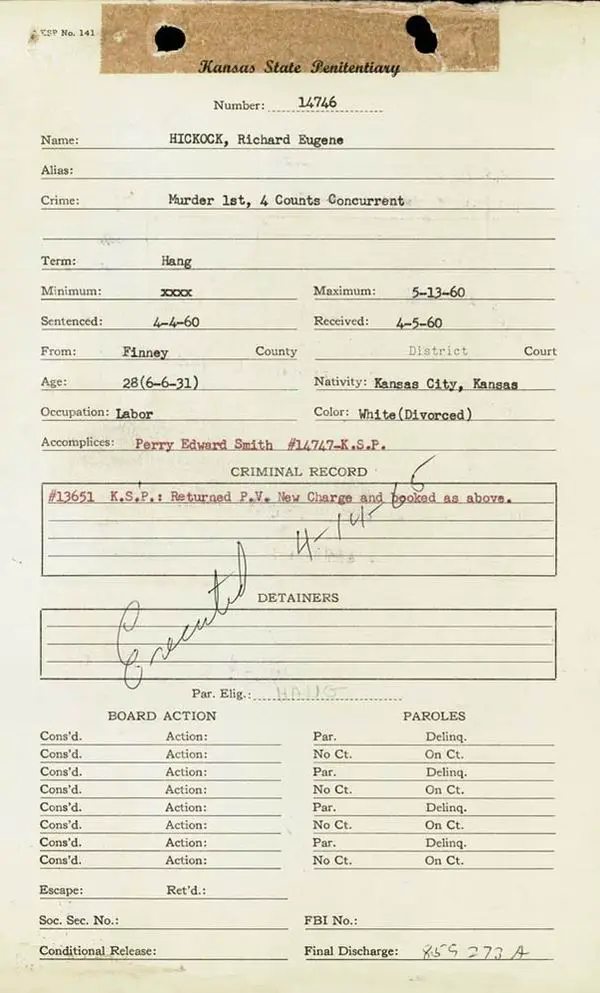
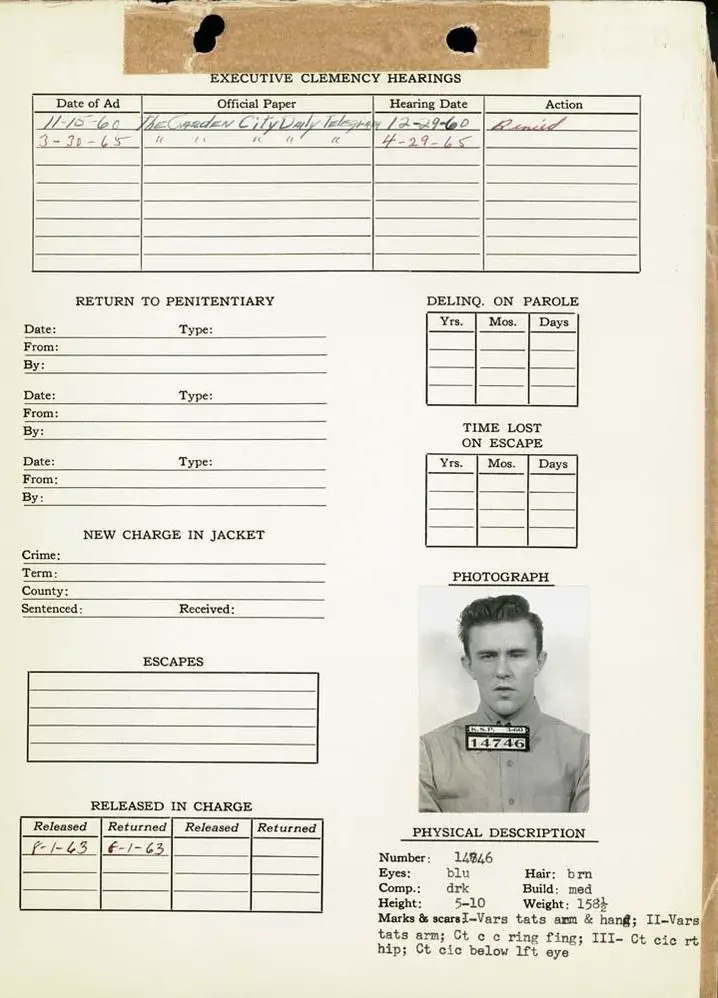
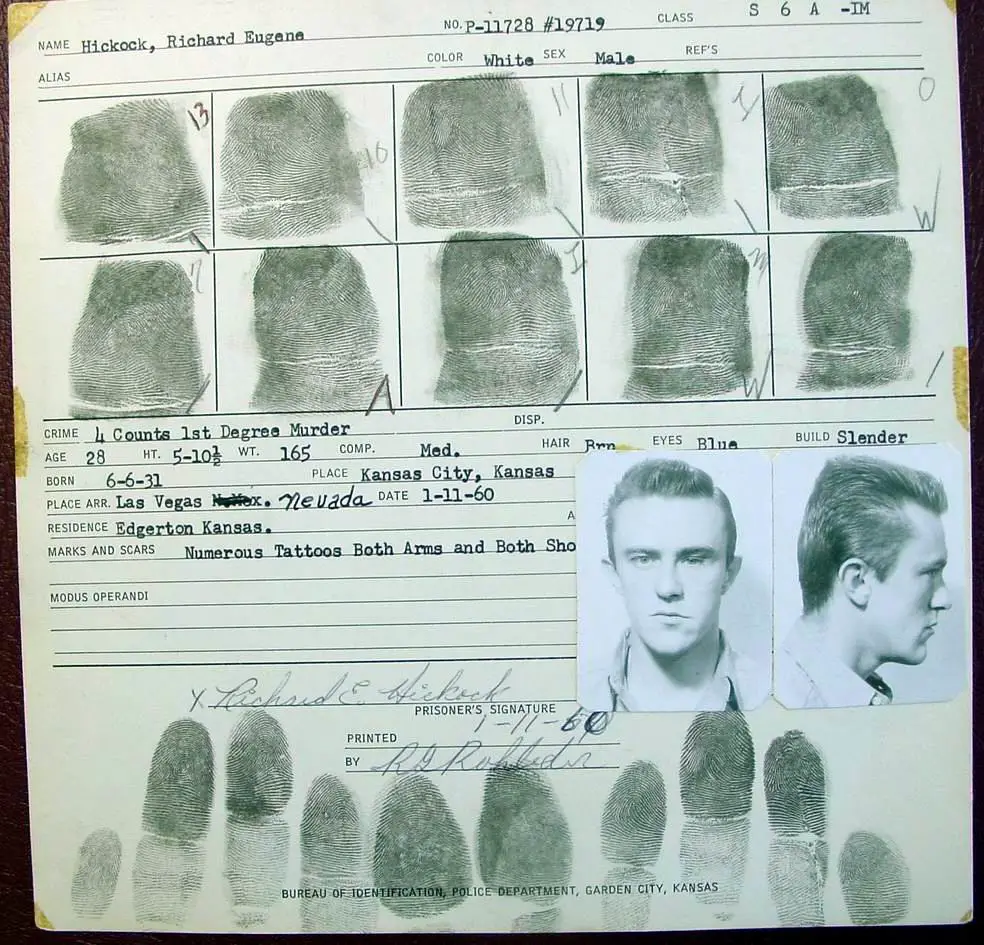
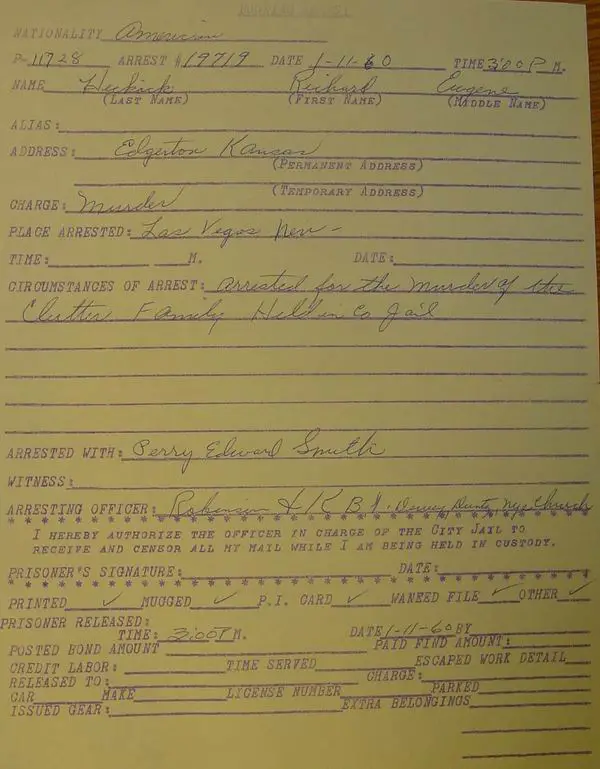
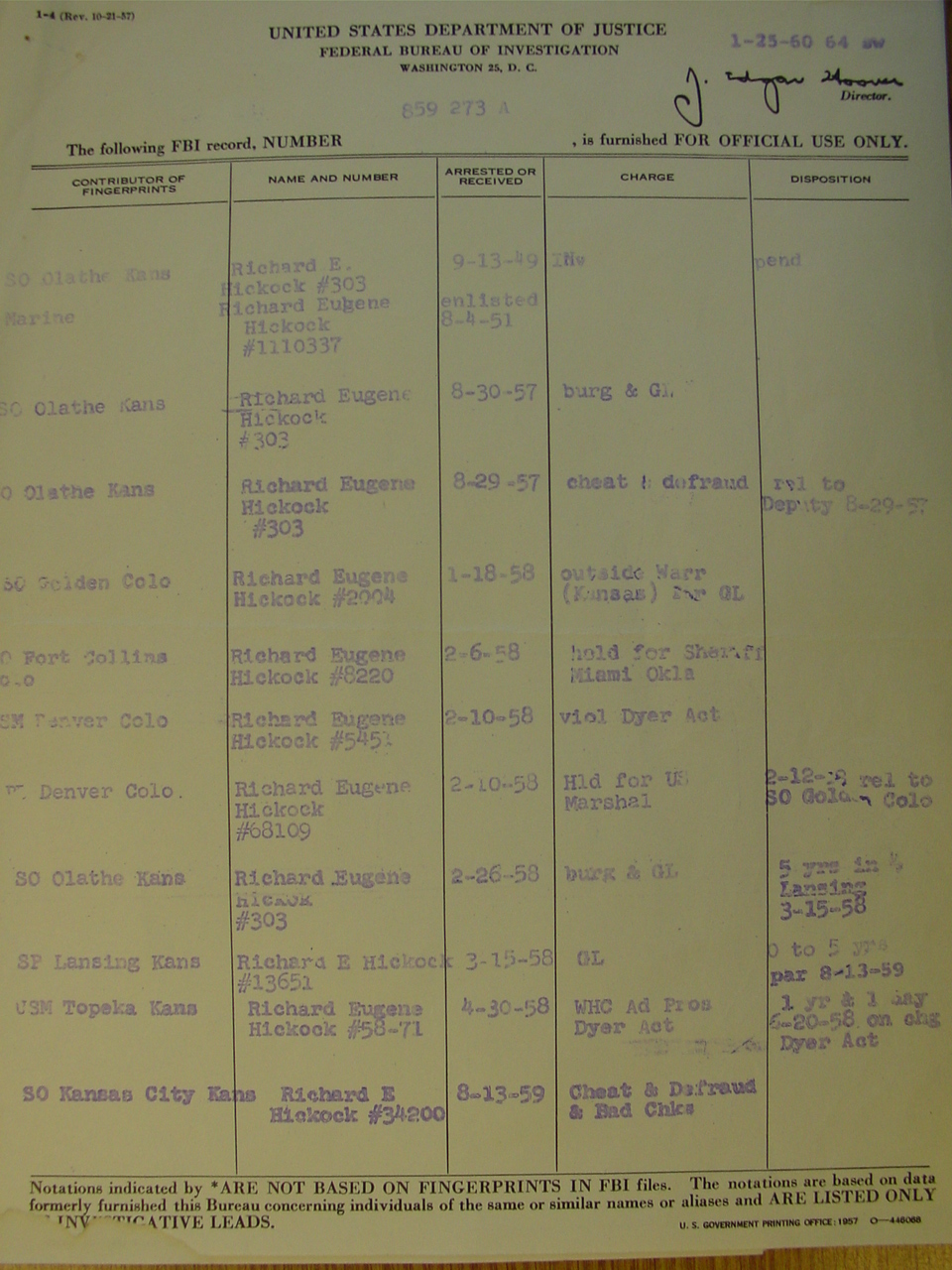
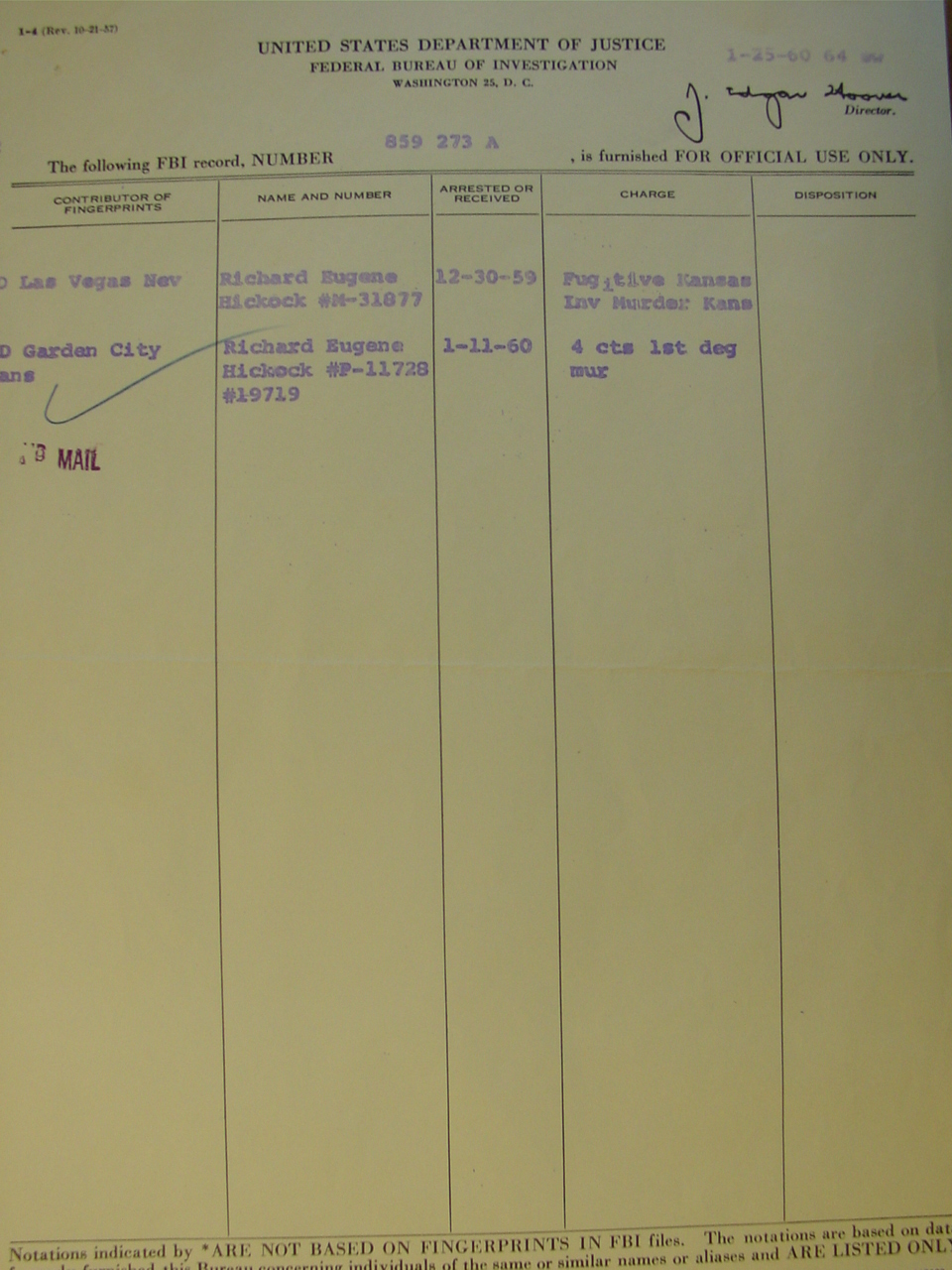
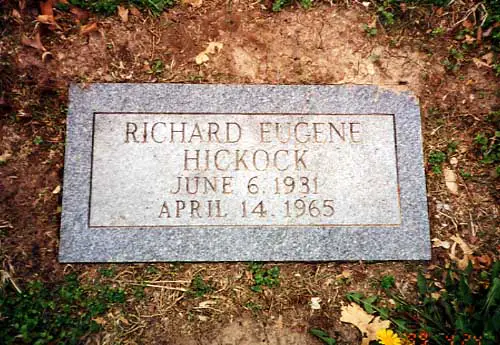
| Convicted Co-defendant | Richard Eugene "Dick" Hickock (aged 33, fellow Lansing penitentiary parolee). |
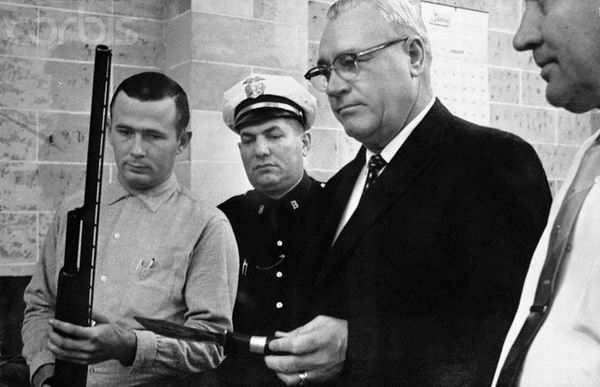
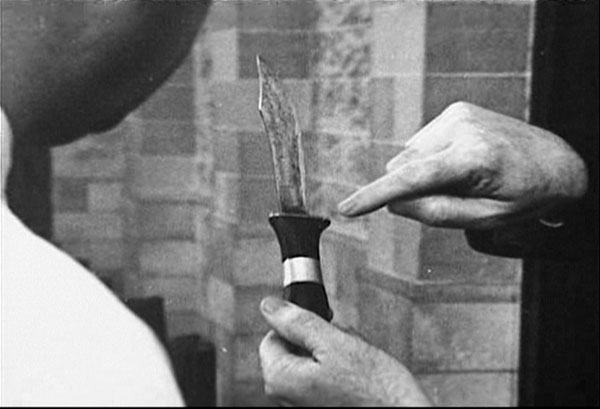
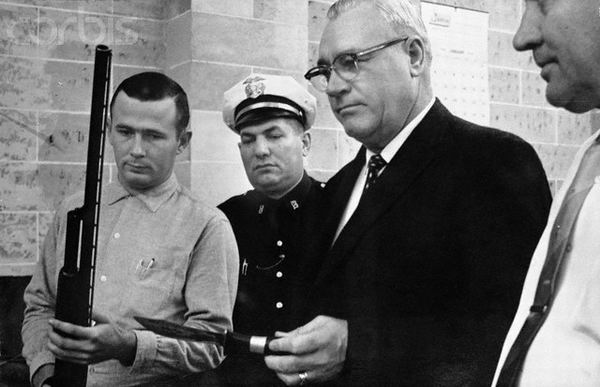
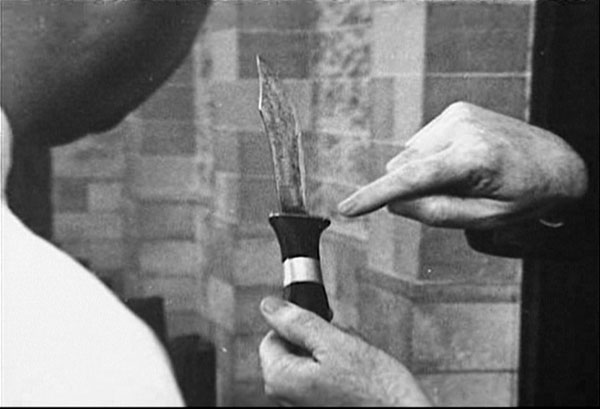
| Weapons Used | 12-gauge pump-action shotgun and hunting knife. |
| Booty Seized | Less than $50 in cash, a pair of binoculars, and a transistor radio. |
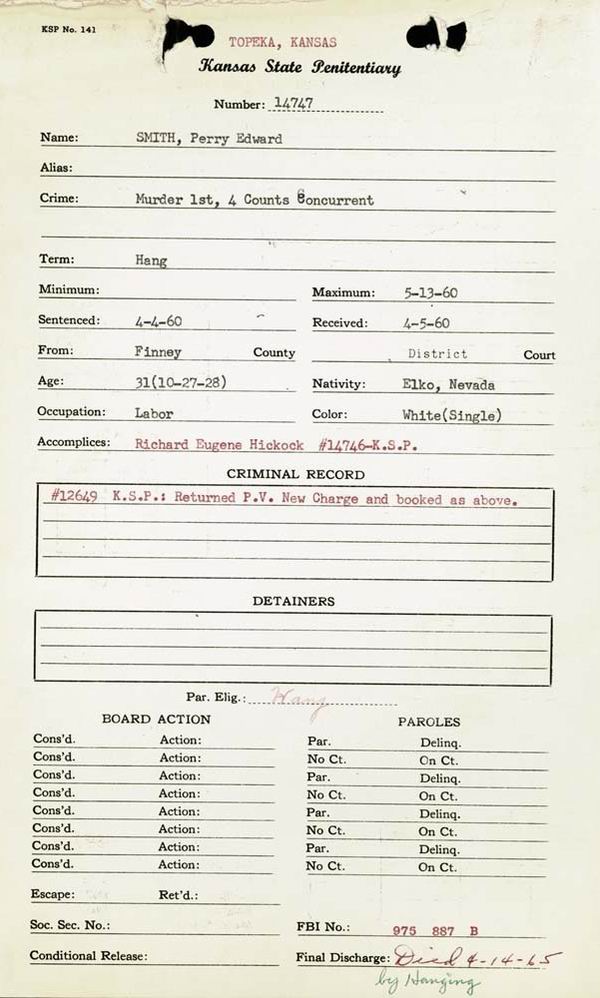
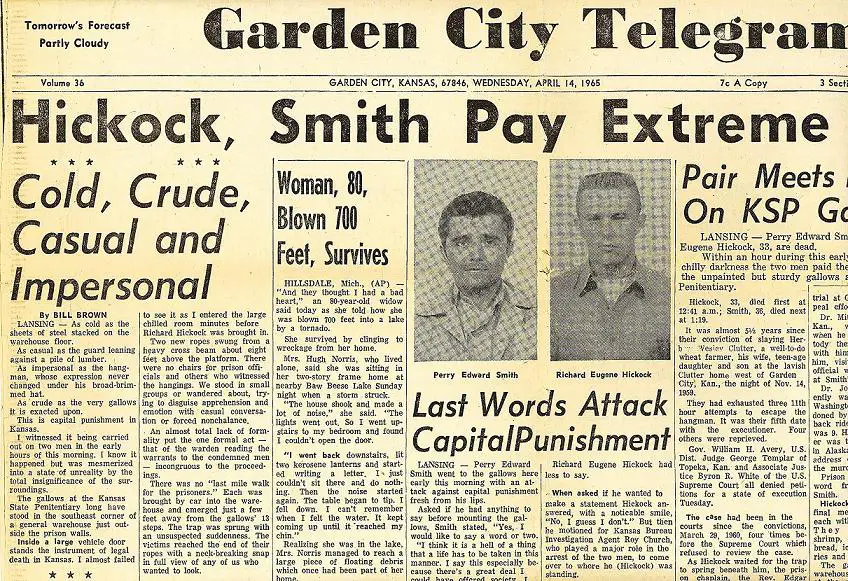
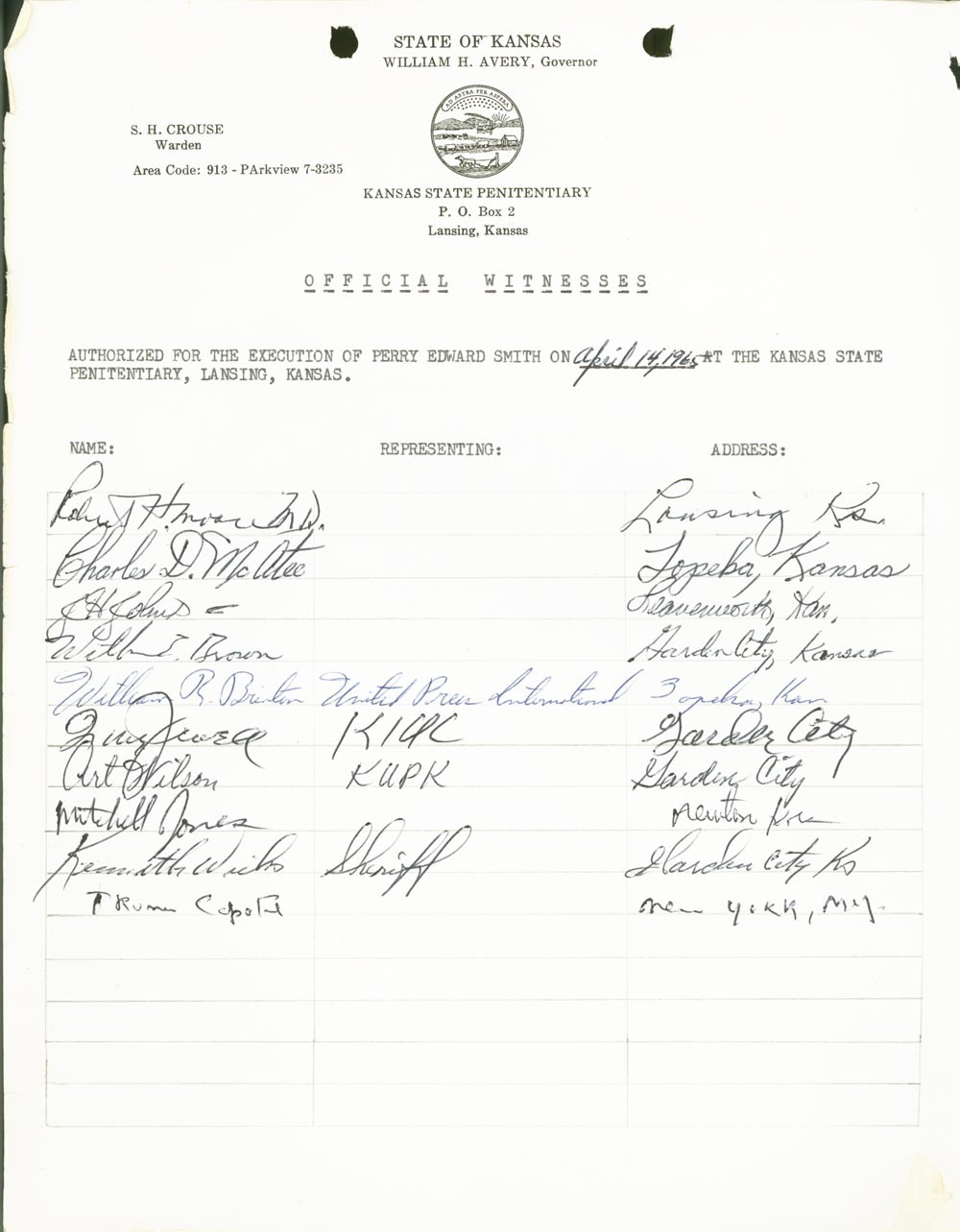
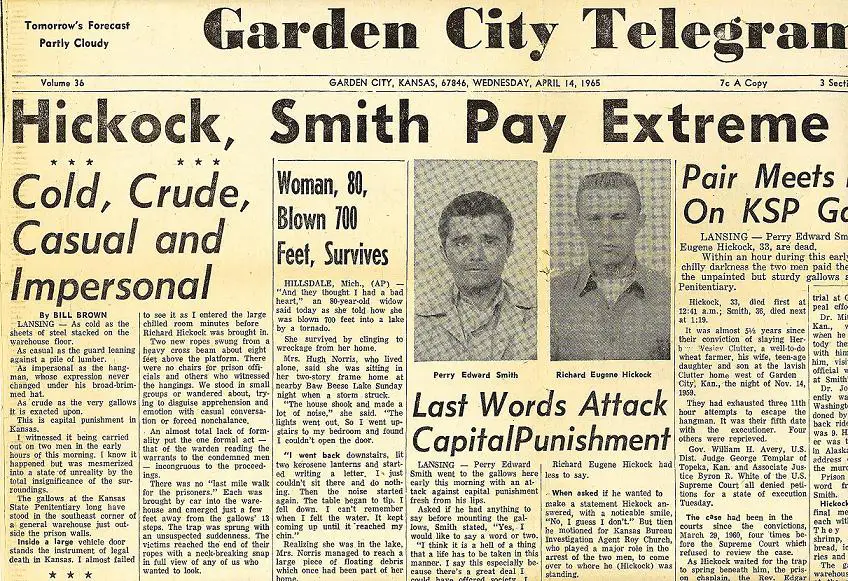
| Judicial Disposition & Execution | Sentenced to capital punishment in March 1960 at Garden City; executed by hanging at Kansas State Penitentiary in Lansing on April 14, 1965, at age 36. |
Introduction: The Dawn That Shattered Rural America
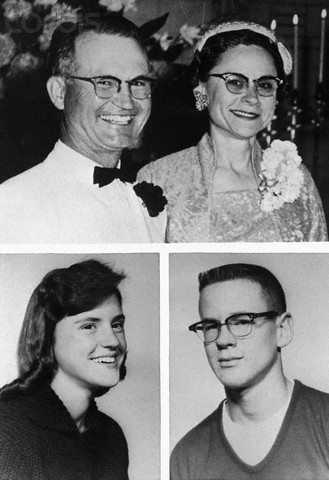
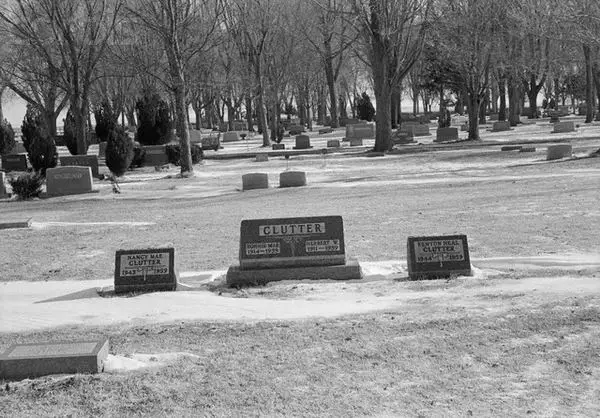
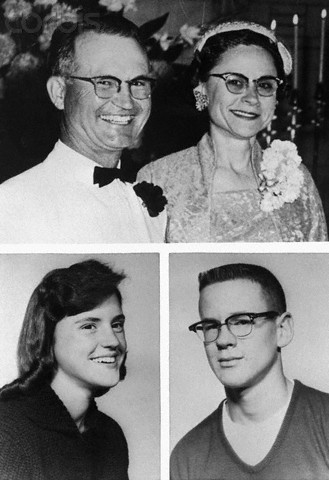
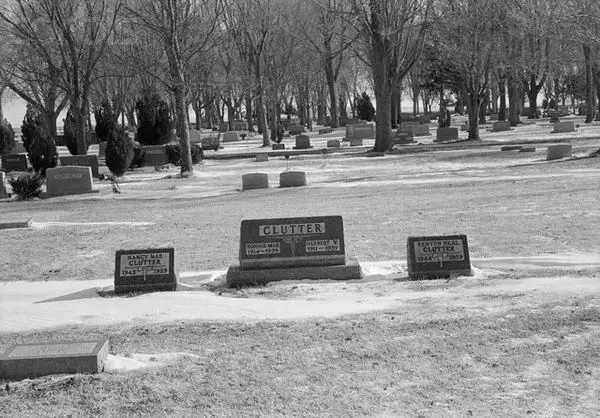
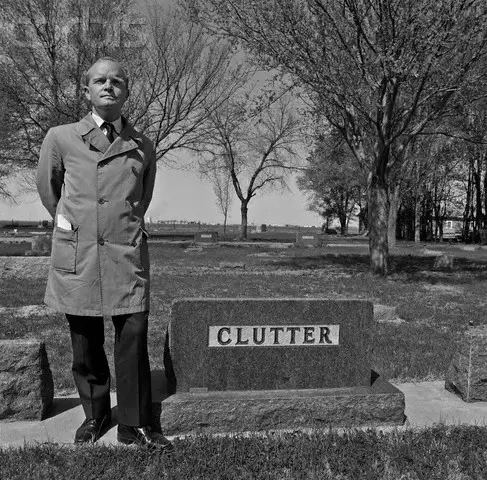
In the early hours of November 15, 1959, across the wheat plains of western Kansas, the peaceful farming hamlet of Holcomb was thrust into national prominence. Inside a two-story home on River Valley Farm, four members of the respected Clutter family were discovered bound, gagged, and executed by shotgun blasts to the head.
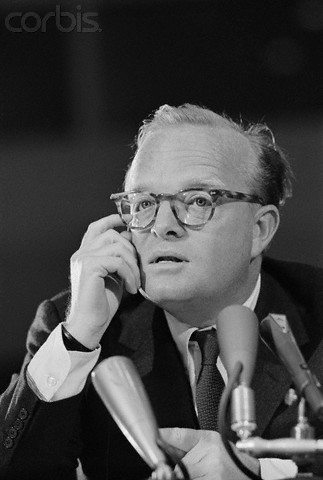
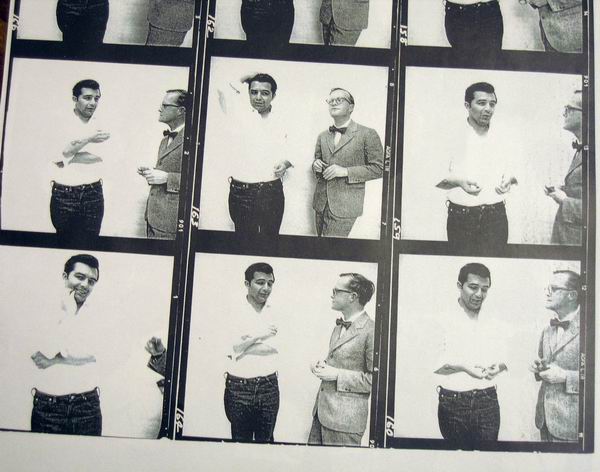
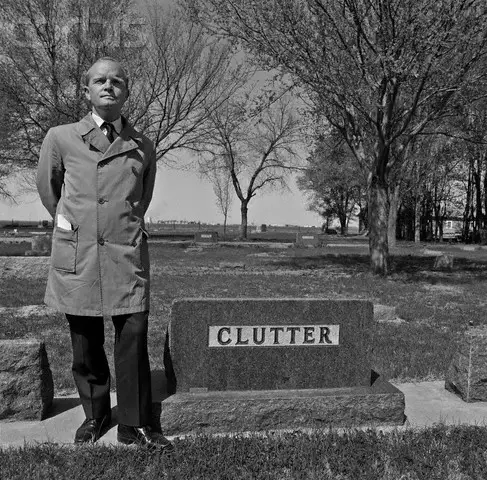
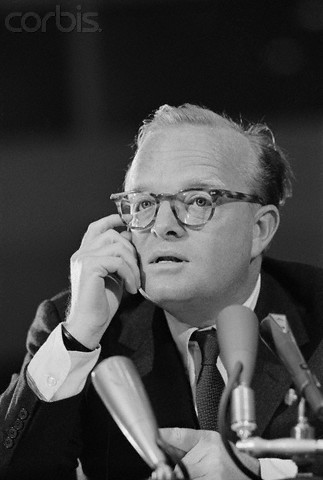
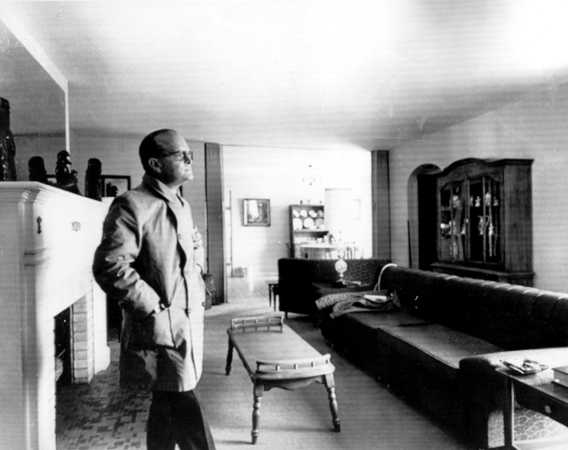
The murders stunned the nation, drawing celebrated author Truman Capote and novelist Harper Lee to Kansas to document the investigation. Capote's decade-long research produced In Cold Blood, inaugurating the modern true-crime non-fiction genre. The primary shooter who wielded the 12-gauge shotgun was Perry Edward Smith, a brooding, crippled parolee whose violent outbursts stemmed from childhood trauma and explosive rage.
A Savage Youth and Severe Trauma
Born in Huntington, Nevada, in October 1928, Smith was the child of an itinerant rodeo performer of Irish and Cherokee ancestry. His early life was characterized by severe deprivation, maternal alcoholism, and harsh abuse in religious orphanages. Two of his siblings took their own lives, and his mother perished from alcohol poisoning.
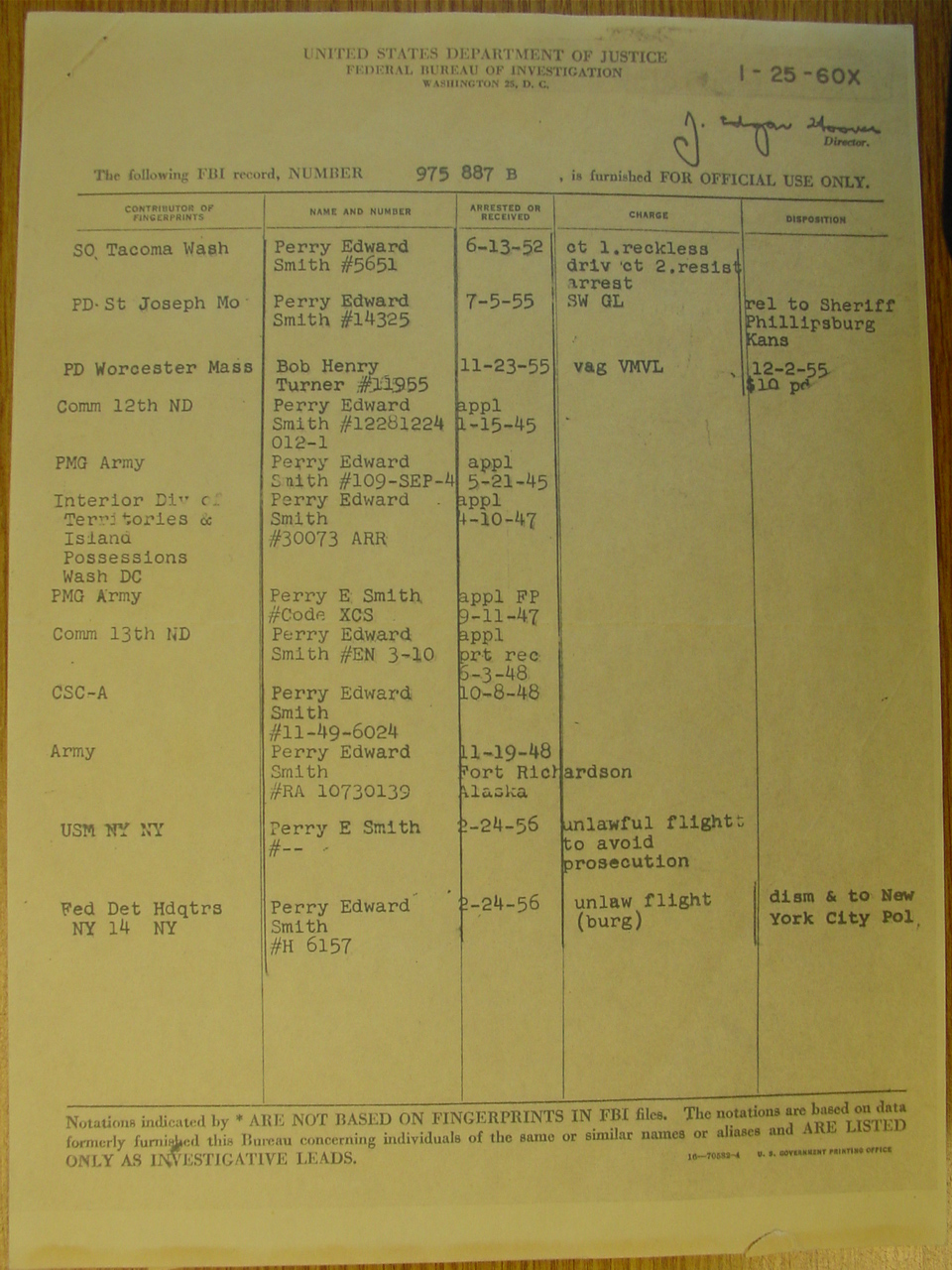
After serving in the US Army during the Korean War, Smith survived a devastating 1952 motorcycle collision in Washington state that permanently crippled both legs, inflicting chronic pain, physical disfigurement, and acute social insecurity.
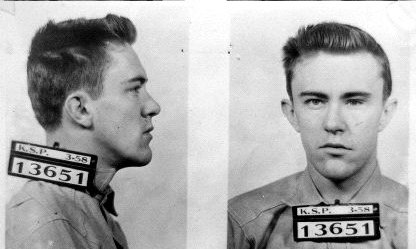
Sentenced to Kansas State Penitentiary in Lansing for armed robbery, Smith encountered Richard "Dick" Hickock, an opportunistic petty felon who devised an armed raid based on prison rumors.
The Fictitious Safe and The Massacre
While incarcerated, a fellow inmate named Floyd Wells mistakenly told Hickock that Herb Clutter—a prosperous farmer for whom Wells had worked years earlier—kept a locked safe containing $10,000 in harvest cash inside his home office.
The rumor was a total fabrication: Herb Clutter conducted all business via bank checks and kept minimal cash on hand.
On November 14, 1959, Smith and Hickock drove four hundred miles across Kansas in a black Chevrolet:
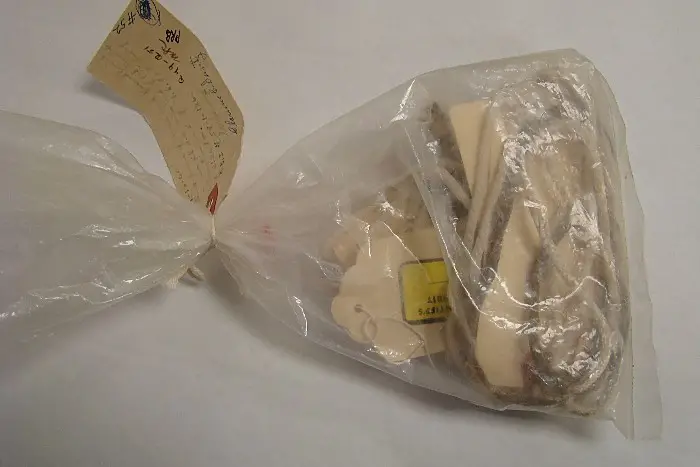
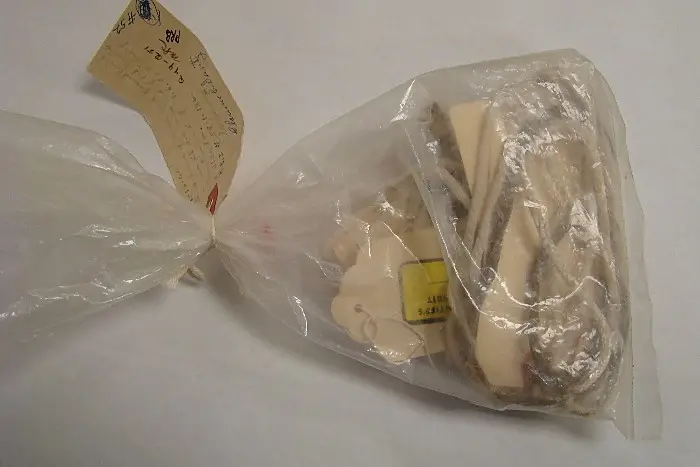
- Entering the unlocked Clutter home around midnight armed with a 12-gauge shotgun, a hunting knife, and nylon cord, they confronted Herb Clutter.
- Demanding the non-existent safe, they ransacked desks and closets in mounting panic. Upon realizing that the residence contained less than fifty dollars, the intruders resolved to eliminate all witnesses.
- Separating the family into distant rooms, they secured each member with intricate knots.
- In the furnace room, Perry Smith slit Herb Clutter's throat before discharging the shotgun into his skull.
- In the basement playroom, Smith shot fifteen-year-old Kenyon in the face. Ascending to the second floor, he executed Bonnie Clutter and sixteen-year-old Nancy as they lay bound in their beds.
Their total haul consisted of approximately forty dollars, an inexpensive transistor radio, and hunting binoculars.
Manhunt and Capture in Las Vegas
The killers fled across state lines, traveling into Mexico, Florida, and California, funding their transit through bad checks and stolen vehicles.
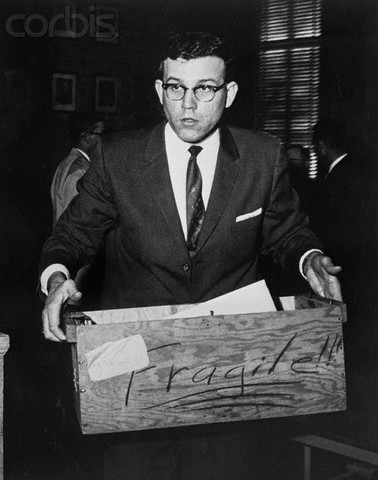
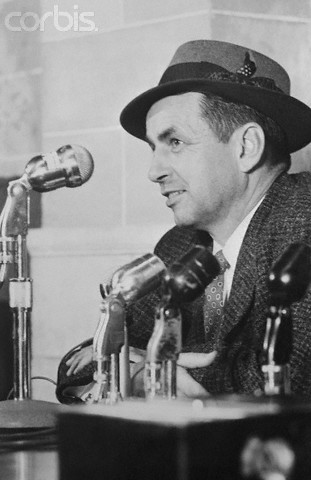
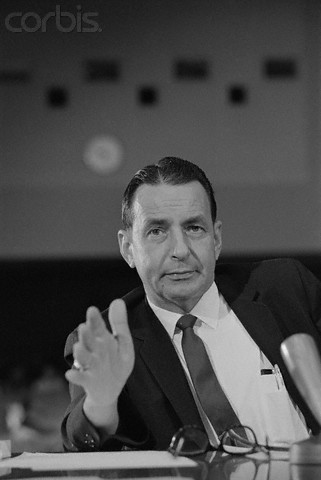
The breakthrough came via Floyd Wells, who recognized news reports of the Holcomb killings and provided the suspects' identities to lead Kansas Bureau of Investigation (KBI) detective Alvin Dewey.
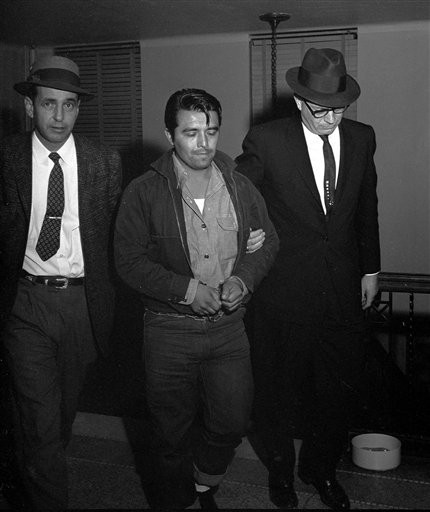
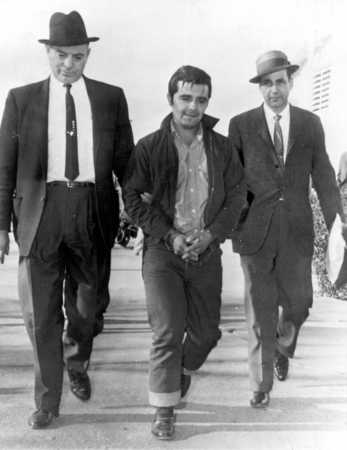
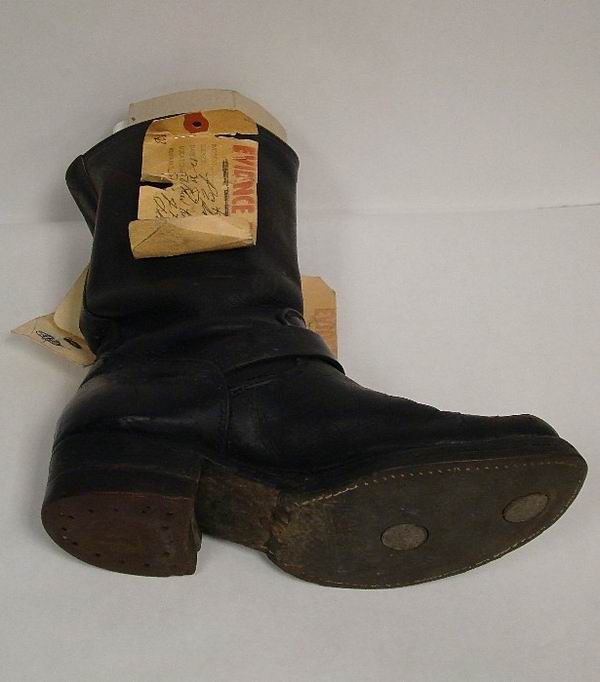
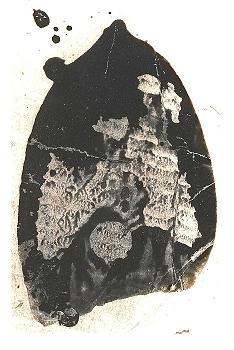
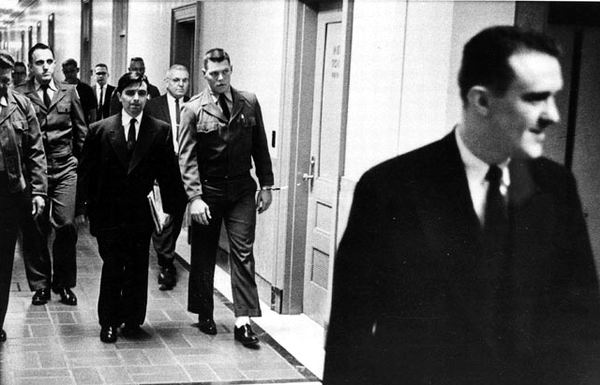
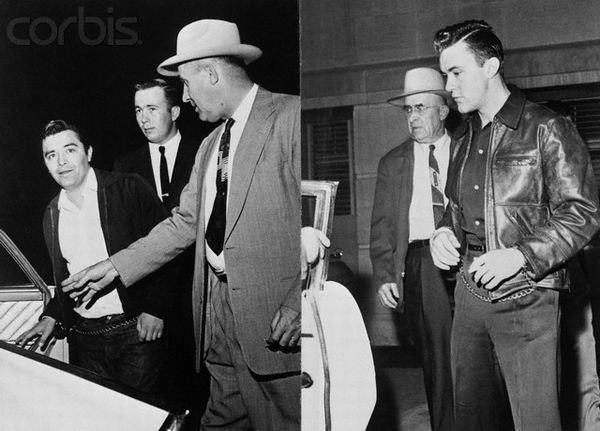
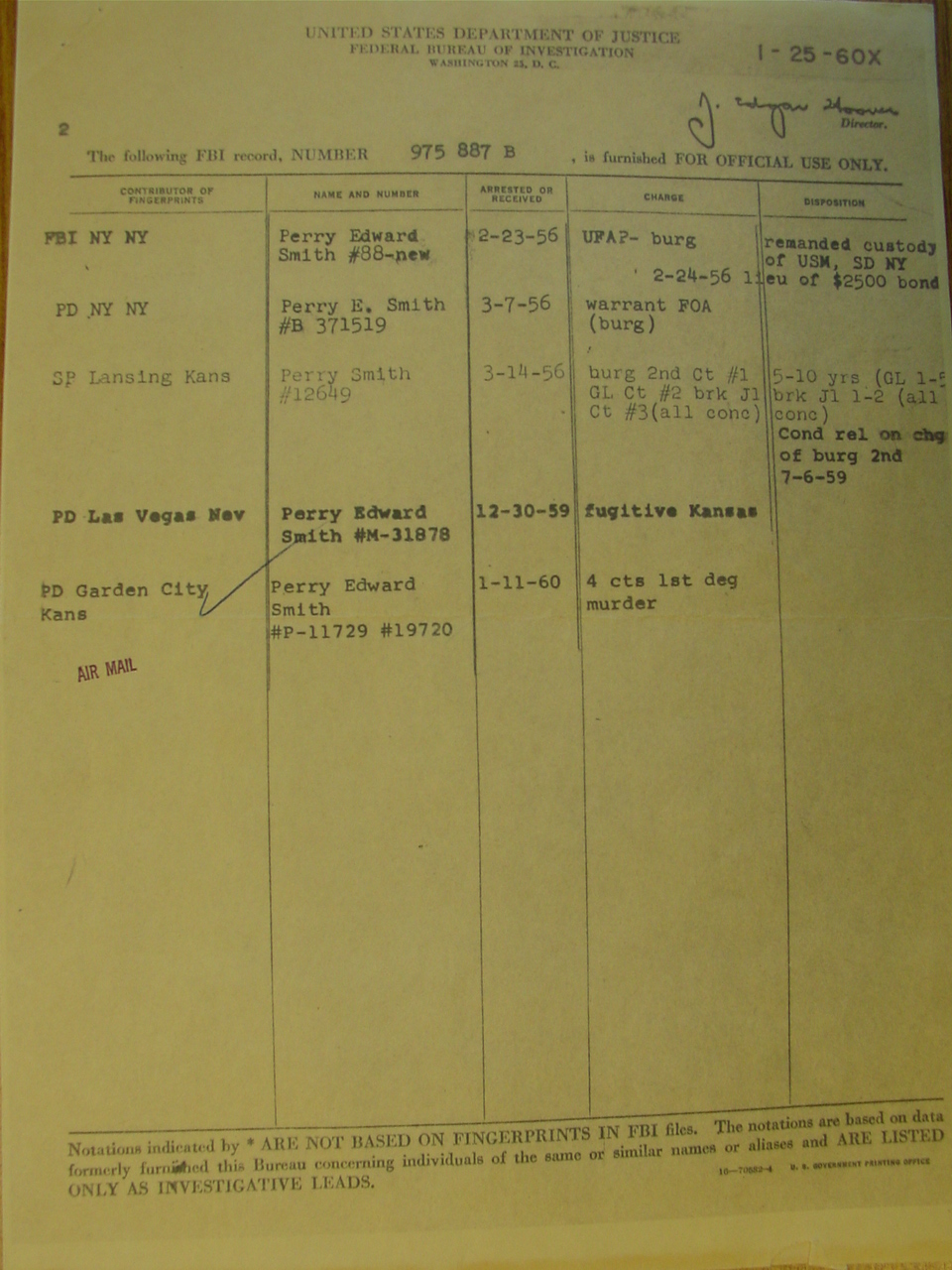
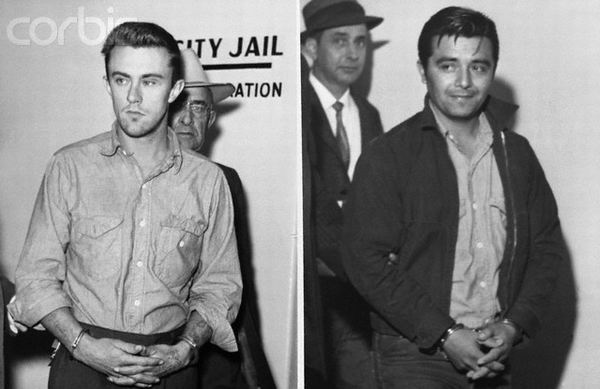
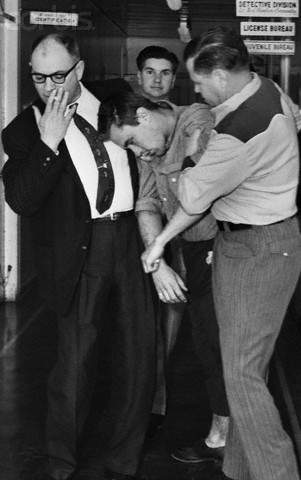
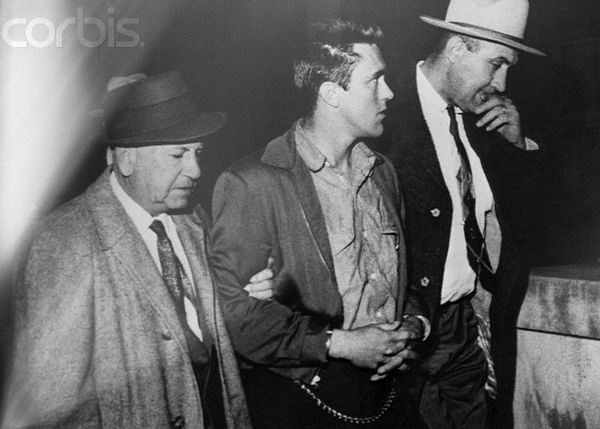
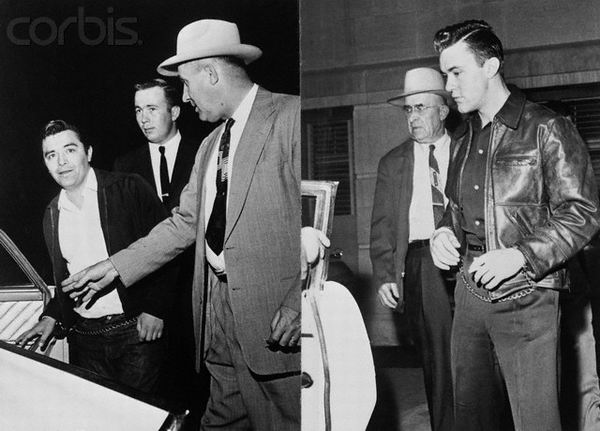
On December 30, 1959, Las Vegas police apprehended Smith and Hickock driving a stolen car. During intensive interrogations by KBI agents, both men confessed, with Smith ultimately admitting that he had personally fired the fatal shotgun blasts into all four victims.
The Trial, Truman Capote, and The Gallows
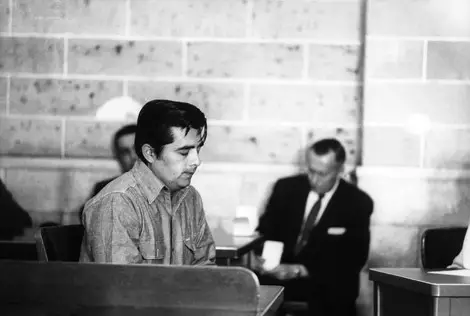
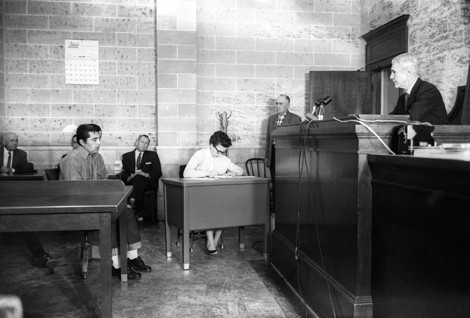
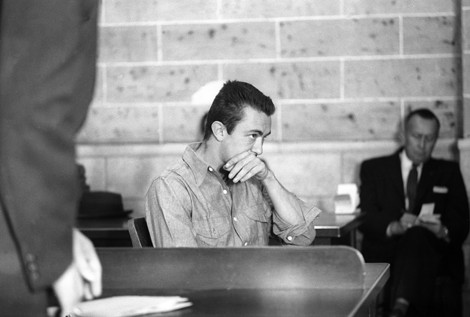
The trial opened in Garden City in March 1960. The defense sought to establish that Smith suffered from acute paranoid personality disorder rooted in childhood abuse and chronic traumatic pain. The jury required under four hours to return four death sentences.
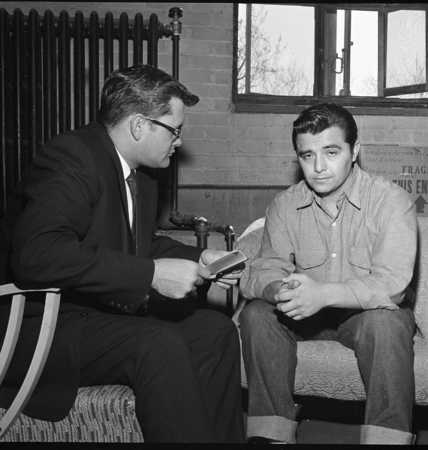
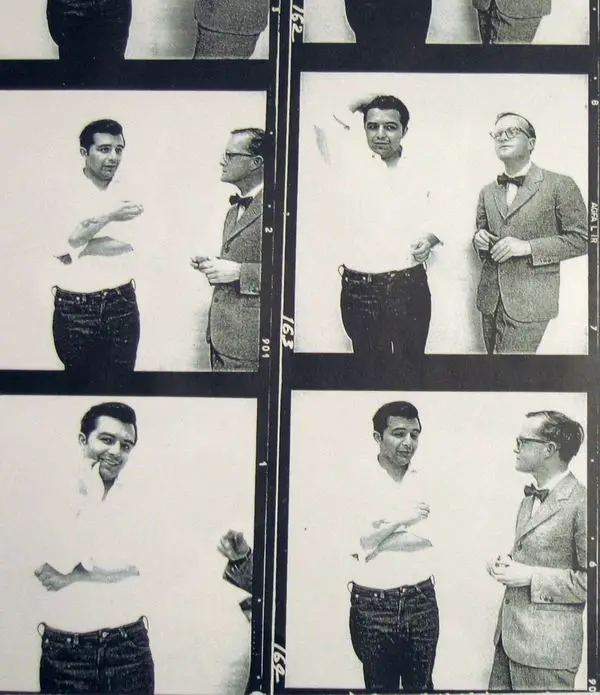
During five years on Lansing's death row ("The Corner"), Truman Capote forged an intense relationship with Perry Smith, conducting extensive weekly interviews to map the psychological anatomy of the killings.
On the rainy night of April 14, 1965, Perry Edward Smith ascended the thirteen steps of the Lansing gallows following Hickock's execution. Facing the assembly, he murmured his final words:
"I think it's a hell of a thing that life has to be taken in this manner. I don't believe in capital punishment, either morally or legally. Maybe I had something to contribute, something... It would be meaningless to apologize for what I did. Even inappropriate. But I do. I apologize."
Pronounced dead at 1:19 AM, his execution concluded the case that transformed modern literature and forensic criminology.