



Forensic & Criminological Matrix
| Parameter | Forensic Detail |
|---|---|
| Forensic Heading / Aliases | N/A |
| Legal Identity | Bruce Rich |
| Confirmed Victims | 2 |
| Attributed / Indicted Victims | 2 |
| Active Timeline | December 23, 1995 |
| Jurisdiction / Area of Operations | Miami, Florida, USA |
| Criminological Classification | Parricide / Profit-motivated murderer |
| Forensic Modus Operandi | Staged crime scene (murder-suicide) |
| Weapon / Mechanism of Death | .25 caliber semiautomatic pistol |
| Motive / Behavioral Dynamics | Financial gain (inheritance and life insurance) |
| Judicial Outcome | Life imprisonment without parole |
1. Background and Profile
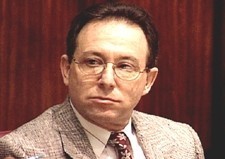
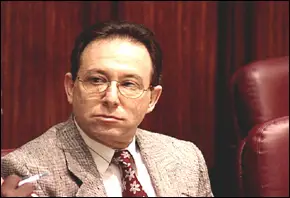
Born in 1949, Bruce Rich was facing severe financial distress by late 1995. Burdened by over $105,000 in debt, including significant tax and business liabilities, he had moved back in with his elderly parents, Irving and Blanche Rich. His financial desperation, exacerbated by the failure of a civil lawsuit to provide the expected windfall, served as the primary catalyst for the crime.
2. Crime Spree
In the early hours of December 23, 1995, Rich shot his parents to death in their home. He used his mother's .25 caliber pistol to kill his father with two shots and his mother with four. He then attempted to stage the scene as a murder-suicide by placing the weapon in his mother's mouth. Forensic evidence, specifically the incapacitating nature of the head wounds, proved that the mother could not have performed the act herself.
3. Investigation and Arrest
Investigators quickly grew skeptical of the murder-suicide theory. A critical piece of evidence was a dental crown belonging to Blanche Rich, which was discovered inside one of Bruce's sneakers. Furthermore, his alibi—claiming he was watching the movie "Casino"—was dismantled by prosecutors who argued he had left the theater to commit the murders and returned to establish a false timeline. Testimony from a jailhouse informant, Efren Boone, further implicated him.
4. Legal Proceedings and Outcome
During his 2000 trial, the jury was deadlocked on the death penalty, leading to a mandatory sentence of life in prison without the possibility of parole. The defense maintained that the evidence was purely circumstantial and accused the police of contaminating the crime scene, but the jury found the forensic evidence against Rich to be overwhelming.