



Forensic & Criminological Matrix
| Parameter | Forensic Detail |
|---|---|
| Forensic Heading / Aliases | Nikki Reynolds |
| Legal Identity | Jacquiline Nicole Reynolds |
| Confirmed Victims | 1 (Billie Jean Reynolds) |
| Active Timeline | May 14, 1997 |
| Jurisdiction / Area of Operations | Coral Springs, Florida, United States |
| Criminological Classification | Parricide / Juvenile Domestic Homicides |
| Forensic Modus Operandi | Domestic pursuit and knife attack following intense interpersonal conflict |
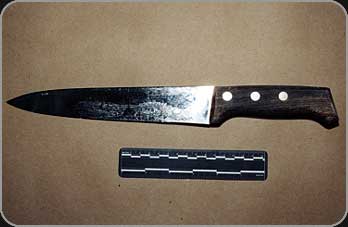
| Weapon / Mechanism of Death | Kitchen knife (25 stab wounds) |
| Motive / Behavioral Dynamics | Borderline personality disorder, major depression, emotional immaturity, and relationship frustration |
| Judicial Outcome | Initially sentenced to 34 years for second-degree murder (1999); re-sentenced to 21 years and 8 months following guideline revisions (2001) |
1. Background and Psychopathy
Jacquiline Nicole Reynolds, widely known as Nikki, was born in 1979 and adopted at three months of age by Robert and Billie Jean Reynolds, a devoted and deeply religious couple residing in Coral Springs, Florida. Throughout her early childhood, the household remained stable and active in local church functions. However, during her high school years, Reynolds exhibited a profound behavioral shift marked by emotional volatility, academic decline, and interpersonal friction.
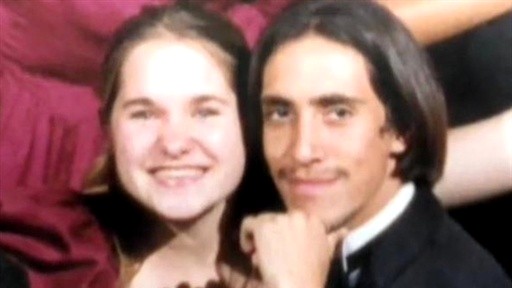
In the months preceding the homicide, Reynolds became romantically involved with classmate Carlos Infante. Fearing abandonment after a breakup, she engaged in extreme manipulative behaviors, including feigning a pregnancy and fabricating a false rape accusation against a stranger. Her adoptive parents recognized her urgent need for mental health intervention and counseling, but Reynolds repeatedly rejected their offers.
2. Crime Spree and Modus Operandi
On May 14, 1997, accumulated familial and emotional tensions culminated in extreme violence. According to criminal investigations and Reynolds' own confessions, she had contemplated murdering her former boyfriend and subsequently her adoptive parents for obstructing her relational goals.
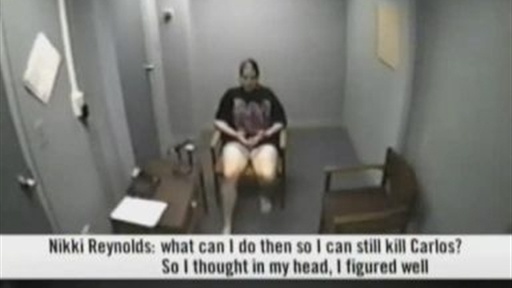
Armed with a kitchen knife, she chased her adoptive mother, Billie Jean Reynolds, through the family home. During the attack, the victim pleaded for her life while sustaining 25 stab wounds. Immediately following the assault, Reynolds dialed 911 to confess. In subsequent police interrogations, she admitted to plotting broader violence, stating she halted the spree only because murdering her mother proved to be "too hard."
3. Investigation and Arrest
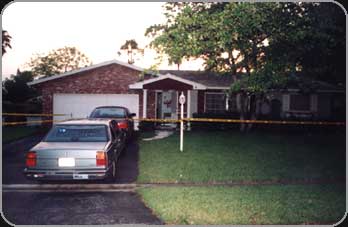
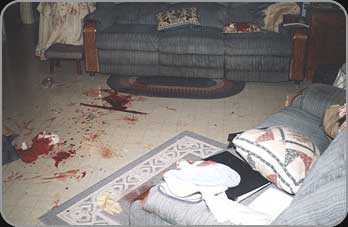
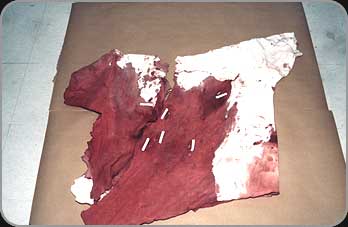
Law enforcement response was instantaneous following the self-incriminating emergency call. Forensic teams secured the Coral Springs residence, recovered the weapon, and documented the precise trajectory of the stab wounds. Ballistic and forensic pathologists confirmed the sequence of the chase and the victim's awareness during the assault. Police records also cataloged the defendant's prior fabricated allegations, establishing a clear behavioral pattern of manipulation.
4. Legal Proceedings and Outcome
司法 proceedings involved intense debate regarding criminal responsibility and mental state. Her initial trial in May 1999 ended in a mistrial due to a hung jury. During her second trial in late 1999, the defense mounted an insanity defense, supported by psychiatric evaluations indicating major depression and borderline personality disorder, compounded by hereditary psychiatric vulnerabilities noted by her biological mother, Katrina Ramos.
Despite expert testimony regarding her emotional immaturity, the jury rejected the insanity plea and convicted Reynolds of second-degree murder. In January 2000, Broward Circuit Judge Sheldon Schapiro handed down the maximum sentence of 34 years in prison, with recommendations for youthful offender housing.
5. Psychiatric Evaluation and Final Disposition
In April 2001, following state appellate rulings invalidating certain sentencing guidelines, Reynolds' defense secured a sentence reduction. Judge Schapiro re-sentenced her to 21 years and 8 months under reinstated 1994 guidelines. Forensic evaluations consistently underscored her adolescent psychological state at the time of the crime, factoring into her rehabilitation trajectory within the correctional system.