



Forensic & Criminological Matrix
| Parameter | Forensic Detail |
|---|---|
| Forensic Heading / Aliases | null |
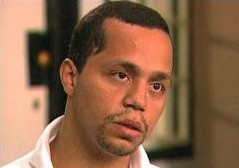
| Legal Identity | Matias Reyes |
| Confirmed Victims | 2 |
| Attributed / Indicted Victims | 8 |
| Active Timeline | 1988-1989 |
| Jurisdiction / Area of Operations | New York, USA |
| Criminological Classification | Serial Rapist / Murderer |
| Forensic Modus Operandi | Violent sexual assault, blunt force trauma, strangulation |
| Weapon / Mechanism of Death | Physical force, rocks, blunt objects |
| Motive / Behavioral Dynamics | Psychopathy, power, sexual violence |
| Judicial Outcome | Sentenced to 33 1/3 years to life |
1. Background and Psychopathy
Born in Fajardo, Puerto Rico, in 1971, Matias Reyes had a traumatic upbringing characterized by early sexual abuse. After moving to New York, his behavior escalated into extreme violence. Psychological evaluations noted a lack of impulse control and a history of severe antisocial behavior, including the sexual abuse of his own mother during his teenage years.
2. Crime Spree
Reyes acted as a lone predator, targeting women in urban settings. His criminal record includes at least eight rapes over seven months. He is most infamously known for the 1989 brutal assault of Trisha Meili in Central Park, where he acted alone, contrary to the initial prosecution theory of a 'wilding' gang. He also confessed to the murder of a pregnant mother while her children were present.
3. Investigation and Forensic Hunt
The Central Park case became a landmark of judicial failure. Five teenagers were wrongfully convicted based on coerced confessions. In 2002, DNA evidence from the crime scene matched Reyes, who had already been incarcerated for other crimes, leading to the vacating of the original convictions.
4. Legal Proceedings and Outcome
Arrested in August 1989 after a failed rape attempt, Reyes was sentenced in 1991 to 33 1/3 years to life for multiple rapes and one murder. His later confession to the Central Park attack provided the necessary evidence to clear the five men who had served years in prison.
5. Psychiatric Evaluation and Conclusion
Forensic psychologists described Reyes as a manipulative psychopath. Despite his claims of a religious awakening, experts emphasize his history of extreme violence and lack of genuine remorse, confirming his status as a high-risk offender.