




Forensic & Criminological Matrix
| Parameter | Forensic Detail |
|---|---|
| Forensic Heading / Aliases | Jane Reth (also known as Jane Limm) |
| Legal Identity | Jane Reth |
| Confirmed Victims | 1 (Scott Coville) |
| Active Timeline | April 1988 |
| Jurisdiction / Area of Operations | Sitka, Alaska, USA |
| Criminological Classification | Spousal homicide offender / Long-term concealment offender |
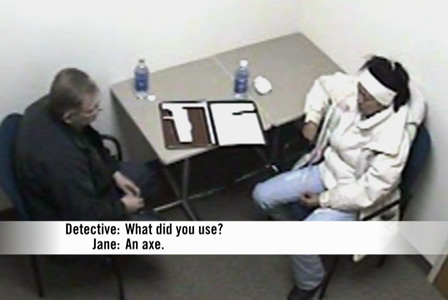
| Forensic Modus Operandi | Execution via firearm discharge while victim was sleeping; post-mortem dismemberment with an axe and disposal of body parts in municipal public dumpsters to evade forensic detection |
| Weapon / Mechanism of Death | .357 Magnum handgun and a long-handled axe |
| Motive / Behavioral Dynamics | Marital disputes and resistance to a pending divorce initiated by the victim |
| Judicial Outcome | Sentenced in 2010 to 36 years of imprisonment for second-degree murder following a guilty plea |
1. Background and Profile
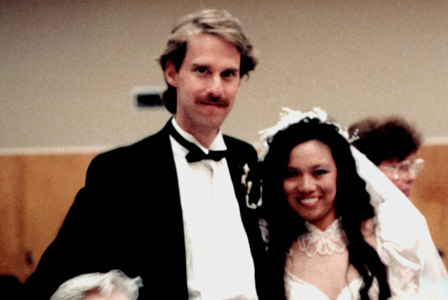
Jane Reth resided in various regions, including the Fox Valley in Illinois and Alaska, maintaining a turbulent marital relationship with her first husband, Scott Coville, whom she married in the mid-1980s. Following the offense, she established a subsequent marriage and engaged in community and religious activities in the Oswego area, including missionary work associated with the Seventh-day Adventist Church. Her initial criminological profile lacked formal violent criminal records, which allowed her to maintain a facade of conventional normality for over two decades while the homicide remained unsolved.
2. Crime Spree and Modus Operandi
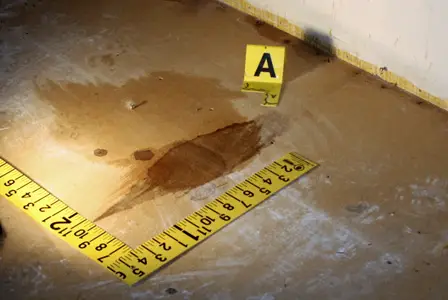
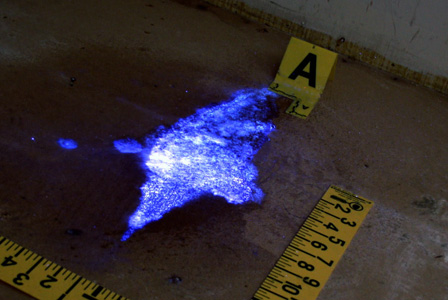
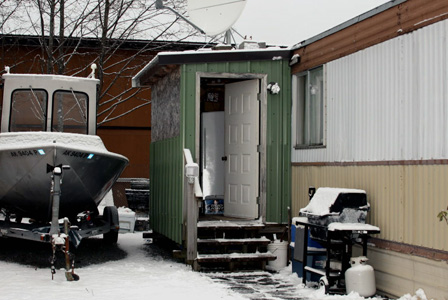
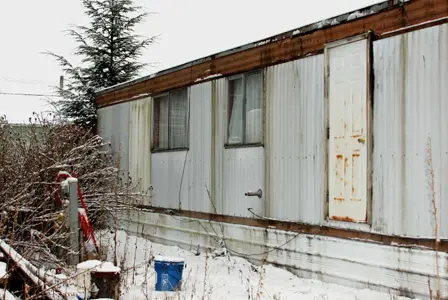
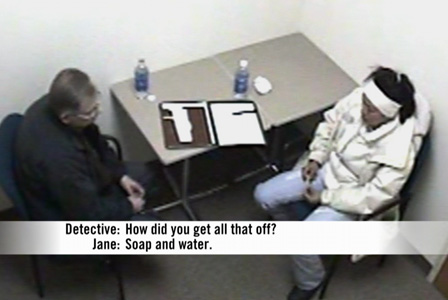
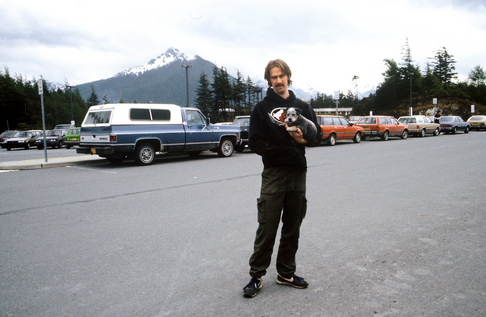
In April 1988, inside their residence in Sitka, Alaska, Reth shot her husband Scott Coville using a .357 Magnum revolver while he was asleep in their bedroom. Following the execution, she proceeded to dismember the corpse with a long-handled axe directly on the bed. To ensure the total destruction of physical evidence and evade police investigation, she placed the body parts into garbage bags and discarded them in multiple municipal dumpsters across Sitka, where local waste incinerators permanently destroyed the remains without leaving recoverable forensic traces.
3. Investigation and Forensic Hunt
The case remained dormant as a cold case for nearly twenty years, mistakenly categorized by family members and local authorities as a potential voluntary disappearance or abandonment. The investigation was revived decisively in 2007 following a tip provided by her second husband, Christopher Reth, during a Roman Catholic Church annulment proceeding. With Christopher's active cooperation, Alaska State Troopers and the Bureau of Investigations recorded phone conversations in which Jane Reth explicitly confessed to the crime. In January 2010, Kendall County sheriff's deputies arrested her at her apartment in Oswego, Illinois.
4. Legal Proceedings and Outcome
Following her extradition to Alaska, Jane Reth was held at the Lemon Creek Correctional Center. In November 2010, through a plea agreement in Sitka Superior Court, she pleaded guilty to second-degree murder, avoiding original charges of first-degree murder and evidence tampering. During the 2011 sentencing hearings, the prosecution emphasized the extreme callousness, methodical calculation, and deliberate deception exhibited by the defendant—including sending fraudulent correspondence to the victim's mother to simulate that he was still alive. Judge David George imposed a 36-year prison sentence, highlighting the severity and premeditation of the offense.
5. Psychiatric Assessment and Aftermath
During judicial proceedings, the defense attempted to argue immaturity at the time of the crime and sought leniency by citing the defendant's subsequent charitable works and community redemption efforts. Nevertheless, the court found no evidence supporting domestic violence allegations against the victim and characterized Reth's behavior as an act of profound callousness and disregard for the victim's family. The judicial resolution formally closed a two-decade mystery, permanently denying the victim's family the recovery of mortal remains due to the comprehensive destruction of physical evidence perpetrated by the offender.