




Forensic & Criminological Matrix
| Parameter | Forensic Detail |
|---|---|
| Forensic Heading / Aliases | None |
| Legal Identity | William Oliver Reese Jr. |
| Confirmed Victims | 1 |
| Attributed / Indicted Victims | 1 |
| Active Timeline | January 3, 2006 |
| Jurisdiction / Area of Operations | Yokosuka, Kanagawa Prefecture, Japan |
| Criminological Classification | Robbery-homicide offender |
| Forensic Modus Operandi | Approach, intimidation, prolonged physical assault, and robbery |
| Weapon / Mechanism of Death | Physical force (beating, kicking, dragging) |
| Motive / Behavioral Dynamics | Robbery and alcohol-induced emotional dyscontrol |
| Judicial Outcome | Life imprisonment with forced labor |
1. Background and Profile
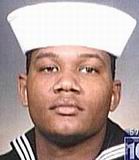
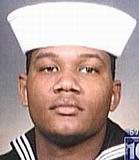
William Oliver Reese Jr. was a United States Navy airman assigned to the aircraft carrier USS Kitty Hawk (CV-63). Born in 1983 and a native of New Jersey, Reese was stationed in Japan at the time of the incident. His behavioral profile at the time of the crime was heavily influenced by significant alcohol consumption, which led to a violent and impulsive outburst.
2. Crime Spree
On January 3, 2006, near the Yokosuka-Chūō train station, Reese accosted 56-year-old Yoshie Sato. After initially asking for directions to the naval base, he attempted to steal her purse. When Sato resisted and screamed for help, Reese dragged her into a nearby stairwell and proceeded to beat her for 11 minutes, throwing her against a concrete wall and stomping on her abdomen. The victim sustained fatal injuries, including a ruptured kidney and liver, and died later that day at a local hospital.
3. Investigation and Arrest
Reese fled the scene with 15,000 yen. He was apprehended shortly thereafter, either at the main gate of the Yokosuka Naval Base by sentries who noticed blood on his clothing, or aboard the USS Kitty Hawk as he attempted to return to duty. His quick confession became a central element of the subsequent legal proceedings.
4. Legal Proceedings and Outcome
Reese was tried before a three-judge panel in Japan. Despite his attempts to claim he did not intend to rob the victim, the court found him guilty of the charges. On June 4, 2006, he was sentenced to life in prison with forced labor. Presiding Judge Masazo Ogura emphasized the extreme violence of the assault and the lack of remorse shown by the perpetrator. The case sparked significant international debate regarding the Status of Forces Agreement (SOFA) and led to stricter liberty restrictions for U.S. military personnel stationed in Japan.