


Forensic & Criminological Matrix
| Parameter | Forensic Detail |
|---|---|
| Forensic Heading / Aliases | None |
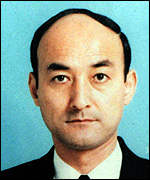
| Legal Identity | Yuji Nishizawa |
| Confirmed Victims | 1 |
| Attributed / Indicted Victims | 1 |
| Active Timeline | July 23, 1999 |
| Jurisdiction / Area of Operations | Japanese Airspace (ANA Flight 61) |
| Criminological Classification | Hijacker / Murderer |
| Forensic Modus Operandi | Violent cockpit intrusion with bladed weapon |
| Weapon / Mechanism of Death | 20cm kitchen knife |
| Motive / Behavioral Dynamics | Flight simulation obsession / Depressive disorder |
| Judicial Outcome | Life imprisonment (Sentenced March 23, 2005) |
1. Background and Profile
Yuji Nishizawa (born September 8, 1970) was a 28-year-old unemployed man from Edogawa, Tokyo. Forensic psychiatric evaluations conducted during his trial revealed a history of depression and suicide attempts. Nishizawa was an avid flight simulation enthusiast, developing a pathological obsession with flying a real aircraft, mistakenly believing his virtual experience qualified him to operate a Boeing 747.
2. Crime Spree
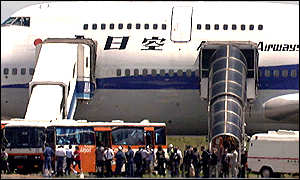
On July 23, 1999, Nishizawa boarded ANA Flight 61, a Boeing 747-481D carrying 503 passengers and 14 crew members. Twenty-five minutes into the flight, he used a 20cm kitchen knife to threaten a flight attendant and gain access to the cockpit. He forced the co-pilot out and demanded Captain Naoyuki Nagashima divert the plane to Yokota Air Base. When the captain refused, Nishizawa stabbed him repeatedly in the chest and neck. He briefly took control of the aircraft, descending to 300 meters.
3. Investigation and Arrest
Crew members managed to overpower Nishizawa at 12:09 P.M. using neckties to restrain him. Co-pilot Kazuyuki Koga regained control and performed an emergency landing at Haneda Airport at 12:14 P.M. Nishizawa was arrested immediately upon landing. Captain Nagashima was pronounced dead by a doctor on board shortly after the plane touched down.
4. Legal Proceedings and Outcome
Nishizawa was tried at the Tokyo District Court. The defense pleaded insanity, while the prosecution sought the death penalty. Psychiatric evaluations were conflicting; the court ultimately ruled that Nishizawa had diminished capacity due to the influence of antidepressants. On March 23, 2005, Judge Hisaharu Yasui sentenced him to life in prison, citing the unprecedented nature of the crime and the damage to public trust in aviation safety.
5. Psychiatric Evaluation and Conclusion
The incident led to significant security reforms in Japanese airports. Nishizawa's behavior during the trial was characterized by erratic outbursts. He remains incarcerated, serving a life sentence for the hijacking and murder of Captain Nagashima.