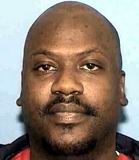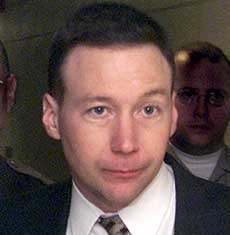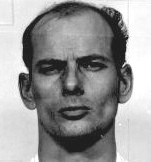
Forensic & Criminological Matrix
| Parameter | Forensic Detail |
|---|---|
| Forensic Heading / Aliases | None |
| Legal Identity | Jonathan Bruce Reed |
| Confirmed Victims | 1 |
| Attributed / Indicted Victims | 1 |
| Active Timeline | November 1, 1978 |
| Jurisdiction / Area of Operations | Dallas, Texas, USA |
| Criminological Classification | Sexual predator / Homicide offender |
| Forensic Modus Operandi | Impersonation of maintenance staff to gain entry |
| Weapon / Mechanism of Death | Strangulation |
| Motive / Behavioral Dynamics | Sexual assault and predatory violence |
| Judicial Outcome | Death sentence (1979), overturned in 2009 due to racial discrimination in jury selection |
1. Background and Profile
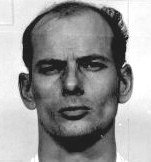
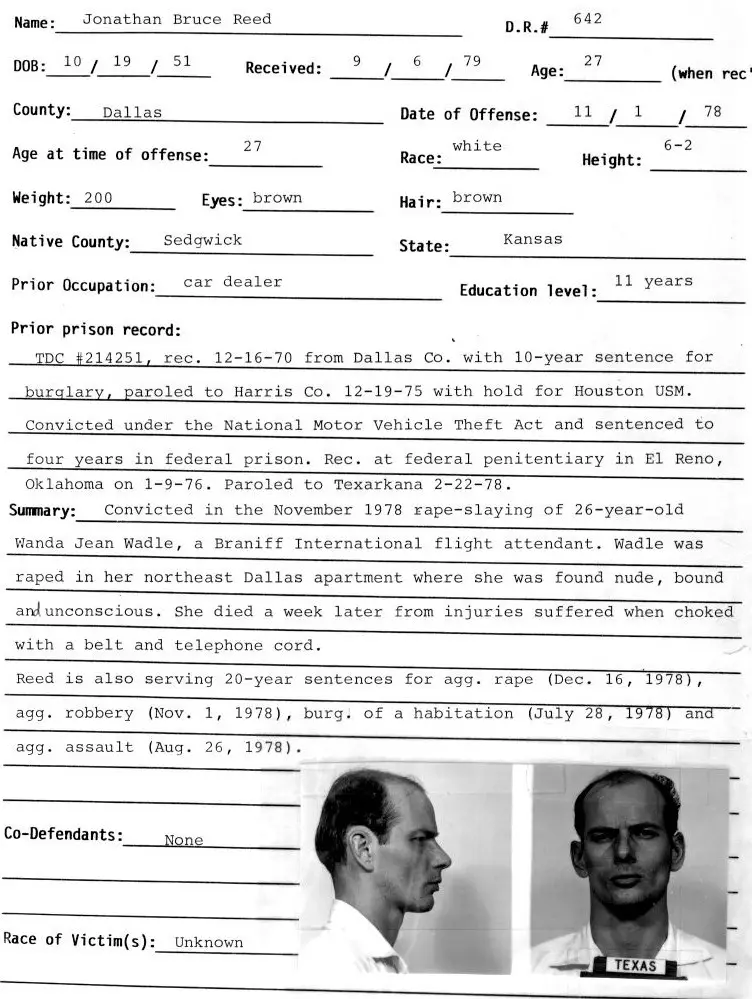
Jonathan Bruce Reed (born October 19, 1951) was one of the longest-serving inmates on Texas death row. His criminal behavior was characterized by predatory sexual violence and the use of deception to gain access to victims' private spaces.
2. Crime Spree
On November 1, 1978, Reed entered an apartment in Dallas by posing as a maintenance worker. He attacked the two occupants, Wanda Jean Wadle and Kimberly Pursley. Wadle was killed by strangulation. Pursley survived the attack by feigning unconsciousness during an attempted strangulation.
3. Investigation and Arrest
The investigation relied heavily on the testimony of the survivor, Kimberly Pursley, and eyewitness accounts from other residents who identified Reed at the apartment complex shortly before the attack occurred.
4. Legal Proceedings and Outcome
Reed was sentenced to death in September 1979. His case gained national attention when the U.S. Court of Appeals for the Fifth Circuit ruled in 2009 that Dallas County prosecutors had improperly excluded black prospective jurors based on racial bias. Citing a 1969 manual that advised against selecting minority jurors, the court found the trial constitutionally flawed, leading to the overturning of his conviction.
5. Psychiatric Evaluation and Conclusion
The legal precedent set by the Thomas Miller-El case was central to Reed's appeal. The constitutional violation regarding jury selection resulted in the reversal of his capital sentence, leading to his eventual release from death row.