



Forensic & Criminological Matrix
| Parameter | Forensic Detail |
|---|---|
| Forensic Heading / Aliases | The Hammer Maniac, The Hammer Vampire |
| Legal Identity | Raúl Aníbal González Higonet |
| Confirmed Victims | 3 |
| Attributed / Indicted Victims | 9 |
| Active Timeline | January - March 1963 |
| Jurisdiction / Area of Operations | San Justo and Lomas del Mirador, Buenos Aires |
| Criminological Classification | Predatory Serial Killer |
| Forensic Modus Operandi | Surprise attacks with a blunt instrument (hammer) on sleeping victims |
| Weapon / Mechanism of Death | Carpenter's hammer |
| Motive / Behavioral Dynamics | Financial gain and witness elimination |
| Judicial Outcome | Life imprisonment (1967) |
1. Background
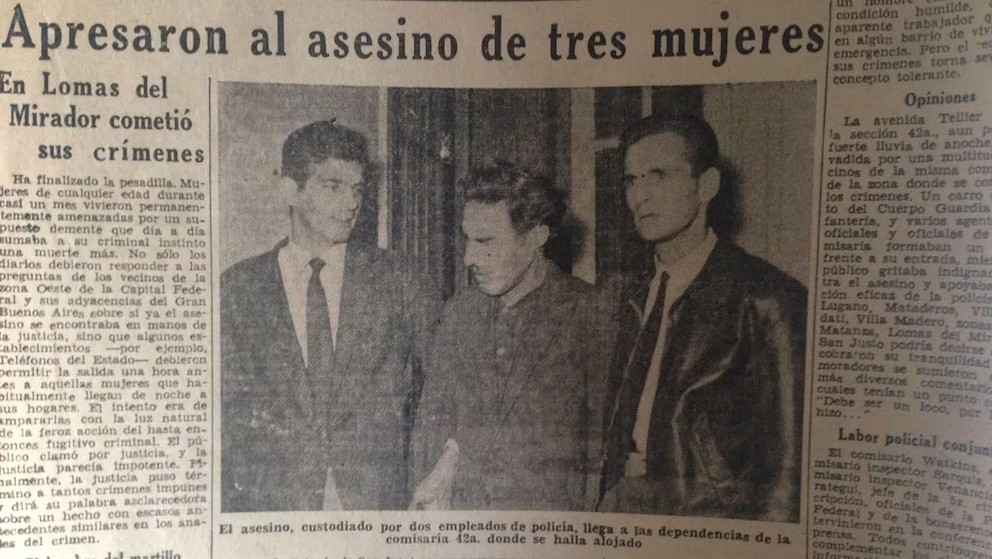
Raúl Aníbal González Higonet, known as 'El Loco del Martillo' (The Hammer Maniac) and dubbed 'The Hammer Vampire' by the sensationalist press, became the subject of a massive manhunt in 1963. At 26, he began a series of violent home invasions that terrorized the Buenos Aires suburbs. His presence caused such panic that local factories allowed female workers to leave early to avoid being outdoors after dark. The press described him as having 'animalistic features,' fueling the public's fear.
2. Crime Spree
Between January and March 1963, Higonet carried out nine attacks. He targeted women living alone, entering their homes at night and striking them with a carpenter's hammer while they slept. The first documented victim was Emilia Ortiz, who survived the assault. However, three other women were not as fortunate: Rosa Risso de Grosso (65), Virginia Riquel (80), and Nelly Mabel Fernández (55) all died from massive head trauma. His primary motive was the theft of jewelry and cash, and he murdered his victims specifically to eliminate any witnesses who could identify him.
3. Forensic Investigation and Capture
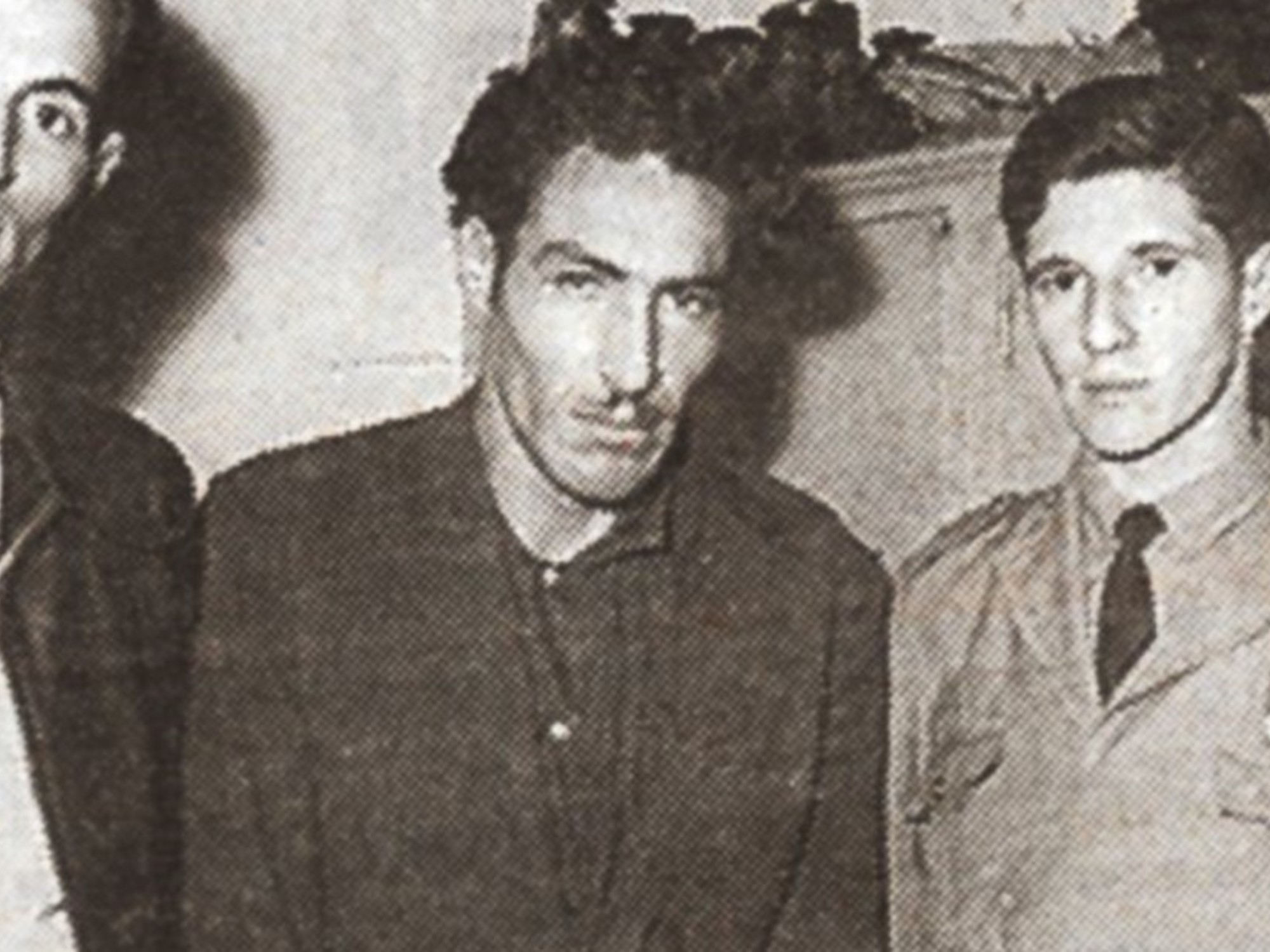
The case caused widespread psychosis in the Lomas del Mirador neighborhood, leading to vigilante groups and the accidental assault of innocent men who matched the killer's description. Police eventually used composite sketches provided by survivors to identify a young man with a mustache and curly hair. His arrest occurred on Monday, March 26, 1963. At the time of his capture, Higonet was wearing a coat stolen from the home of one of his victims. The murder weapon, a blood-stained hammer, was later recovered from a nearby vacant lot.
4. Judicial Proceedings
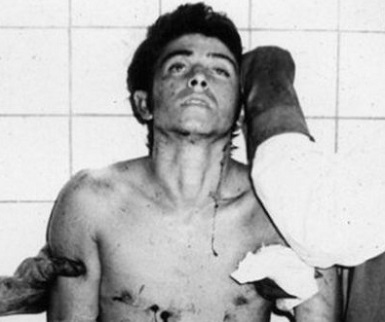
Following his arrest, Higonet confessed, stating, 'I only wanted to rob. I killed them to leave no witnesses.' In 1967, he was sentenced to life imprisonment for homicide, robbery, and aggravated assault. He served 43 years in various penal institutions, most notably Sierra Chica, becoming Argentina's longest-serving prisoner at the time. In his later years, he attempted to claim his confession was coerced through torture, though the physical evidence against him remained conclusive.
5. Psychiatric Outcome and Death
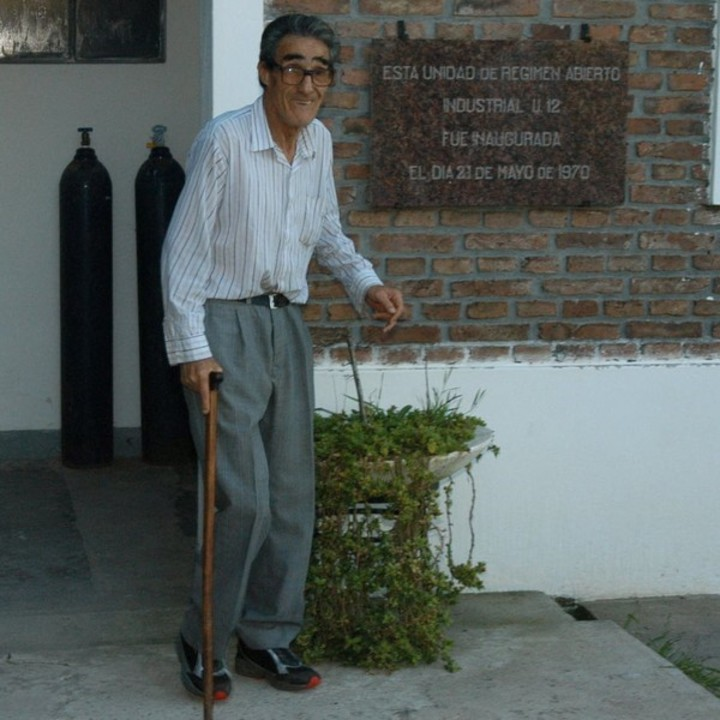
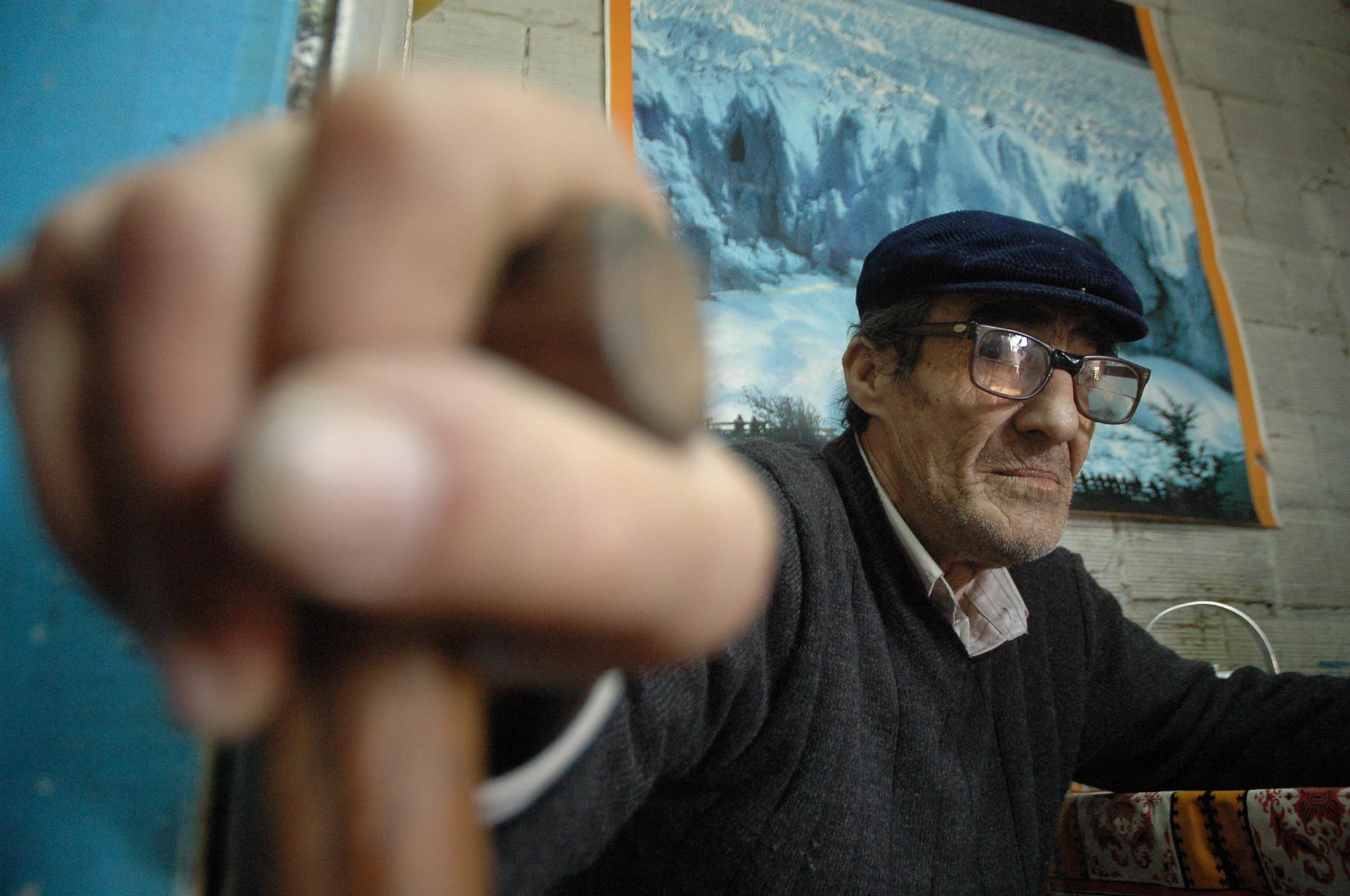
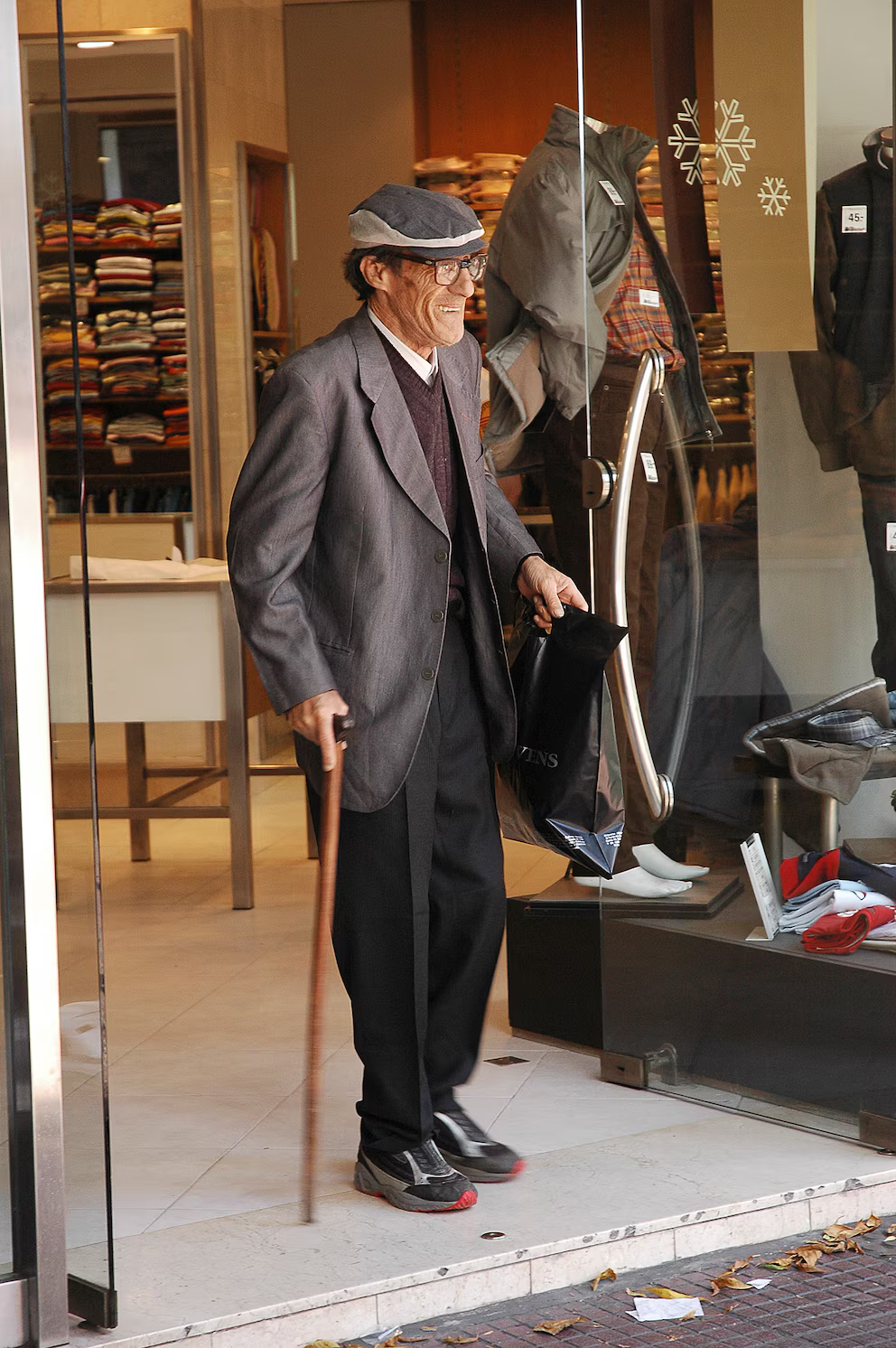
After serving one of the longest sentences in Argentine history, Higonet was granted parole in March 2006. Upon release, he was a physically frail 69-year-old man who struggled to comprehend the modern world. He moved in with his sister in González Catán but found himself unable to adapt to 21st-century life, suffering from hallucinations and disorientation. He expressed a desire to return to the familiarity of prison life. He died on November 23, 2007, of natural causes, though his lawyer famously claimed he died 'of sadness' due to his failed reintegration into society.