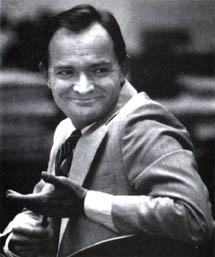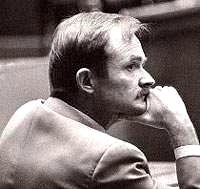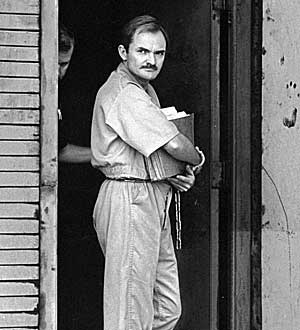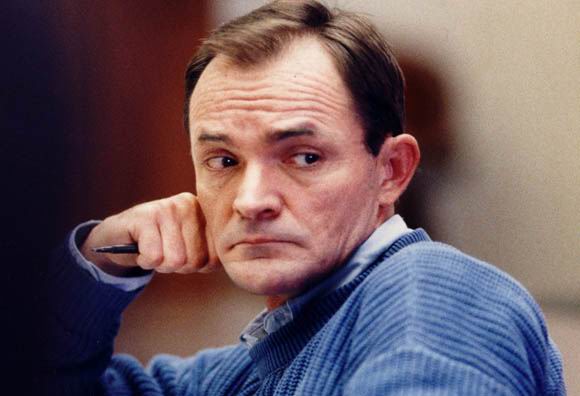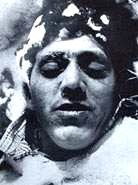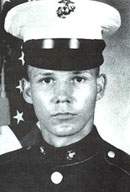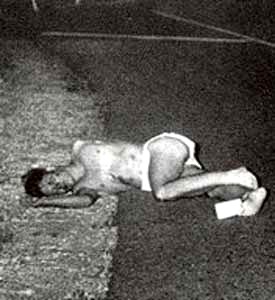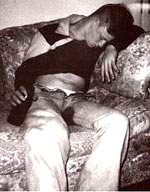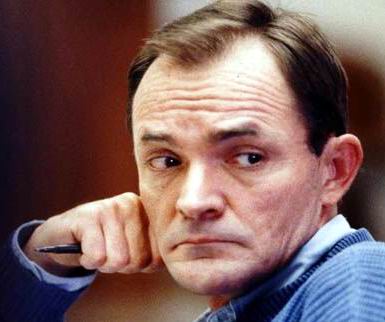




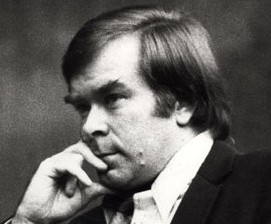
Forensic & Criminological Matrix
| Parameter | Forensic Detail |
|---|---|
| Full Legal Name | Randy Steven Kraft |
| Registered Monikers | The Scorecard Killer, The Southern California Strangler, The Freeway Killer |
| Nationality | American |
| Date and Place of Birth | March 19, 1945, Los Angeles County, California, United States |
| Current Status | Incarcerated on Death Row at San Quentin State Prison / California Medical Facility |
| Criminal Classification | Organised sexual-sadistic serial killer / Itinerant predator |
| Active Criminal Period | December 1972 – May 1983 (11 years) |
| Confirmed Victims | 16 murder convictions (linked to at least 67 homicides across California and Oregon) |
| Modus Operandi | Luring hitchhikers and young military service personnel into his vehicle; chemical immobilization using alcohol laced with diazepam (Valium) and other sedatives; prolonged physical and genital torture, sodomy, ligatures, and strangulation; disposal of naked or partially dressed bodies along interstate freeways. |
| Psychological Profile | High-functioning psychopathy (IQ 129+), severe sexual sadism, necrophilic inclinations, and grandiose narcissism; maintained an unblemished daytime executive persona as an IT systems analyst. |
| Critical Forensic Evidence | A handwritten two-word coded ledger containing 61 entries found in his vehicle glove compartment; latent fingerprint matches; hundreds of Polaroid photographs of victims; apprehension in flagrante delicto with a dead Marine in his front passenger seat. |
Background and Compartmentalized Double Life
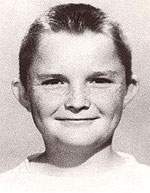
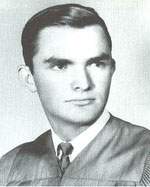
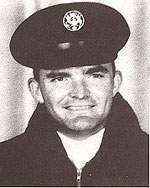
Randy Steven Kraft was raised in a stable middle-class family in Westminster, California. Academically gifted, he completed a bachelor's degree in economics at Claremont Men's College and served briefly in the US Air Force before receiving a general discharge. Throughout the 1970s and early 1980s, Kraft built a successful corporate career as a senior computer programmer and systems engineer for major aerospace and technology contractors in Orange County.
Behind this facade of middle-class respectability, Kraft engaged in targeted predation. He frequented gay bars and prowled the freeway corridors between Los Angeles and San Diego, particularly targeting hitchhikers and off-duty military recruits stationed at Camp Pendleton, the El Toro Marine Air Base, and Long Beach Naval Station.
Escalation and The Coded Scorecard
Between 1972 and 1983, a relentless series of male homicide victims were discarded beside southern California highways. Autopsies revealed excruciating pre-mortem torture: cigarette lighter burns, genital mutilations, the insertion of foreign objects into orifices, and heavy systemic intoxication with alcohol, Valium, and halogenated anesthetics. The victimology was nearly identical—physically fit young men between 18 and 25 years old rendered powerless by chemical sedation before being strangled with their own belts or clothing.
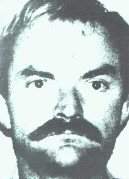
On May 14, 1983, California Highway Patrol officers stopped Kraft's Toyota Celica on the San Diego Freeway (I-5) in Mission Viejo for weaving across lanes. In the front passenger seat was 25-year-old Marine Terry Lee Gambrel, dead from ligature strangulation. A search of the vehicle yielded heavy doses of tranquilizers, binders containing graphic Polaroid photographs of comatose and deceased victims, and a handwritten yellow legal pad containing 61 cryptic entries (such as "MARINE HEAD", "PORTLAND ELK", "PARKING LOT"). Each entry matched details, dates, or locations of unsolved murders.
Trial, Conviction, and San Quentin
Kraft's capital trial in Orange County Superior Court spanned thirteen months and became one of the most exhaustive prosecutions in California history. Physical evidence—including vehicle carpet fibers matching victims' clothing and latent fingerprints recovered from dumping sites—overwhelmed defense claims of an unidentified accomplice.
In August 1989, Kraft was convicted of 16 counts of first-degree murder with special circumstances of torture and sodomy, alongside one count of sodomy. He was formally sentenced to death in November 1989 and transferred to California's death row at San Quentin State Prison, where he remains incarcerated pending federal habeas appeals.