Forensic & Criminological Matrix
| Parameter | Forensic Detail |
|---|---|
| Forensic Heading / Aliases | N/A |
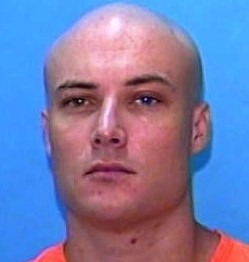
| Legal Identity | Bobby Allen Raleigh |
| Confirmed Victims | 2 |
| Attributed / Indicted Victims | 2 |
| Active Timeline | June 5, 1994 |
| Jurisdiction / Area of Operations | DeLand, Florida, USA |
| Criminological Classification | Multiple Murderer (Retaliation) |
| Forensic Modus Operandi | Execution by firearm and blunt force trauma |
| Weapon / Mechanism of Death | Handgun |
| Motive / Behavioral Dynamics | Personal revenge following a family dispute |
| Judicial Outcome | Sentenced to death (February 16, 1996) |
1. Background and Profile
Born on July 22, 1974, Bobby Allen Raleigh experienced a childhood defined by instability and abuse. His mother was 15 at the time of his birth, and the identity of his biological father remained unknown, leading to Raleigh's internal conflicts regarding his origins. He was a victim of sexual abuse and suffered from significant psychological issues, including adjustment disorder, poor judgment, and impulse control deficits. He attempted suicide at age 18.
2. Crime Spree
On June 5, 1994, Raleigh and his accomplice, Domingo Figueroa, sought out Douglas Cox at his trailer in DeLand following a dispute involving Raleigh's mother. Raleigh executed Cox with three close-range shots to the head. He and Figueroa then turned their weapons on Cox's roommate, Timothy Eberlin. When their guns jammed, Raleigh beat Eberlin to death with his firearm.
3. Investigation and Arrest
Following the murders, the pair destroyed evidence by burning their clothes and hiding their weapons in a secret compartment in Raleigh's Subaru. Police apprehended Raleigh at his home later that evening. After learning that Figueroa had implicated him, Raleigh provided a taped confession to the murders.
4. Legal Proceedings and Outcome
Indicted on June 21, 1994, Raleigh pleaded guilty on June 6, 1995. A jury unanimously recommended the death penalty on August 15, 1995. He was sentenced to death on February 16, 1996. Subsequent appeals, including claims of ineffective assistance of counsel and inadequate mental health evaluations, have been denied by the Florida Supreme Court.