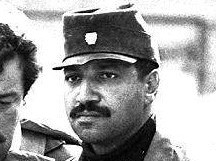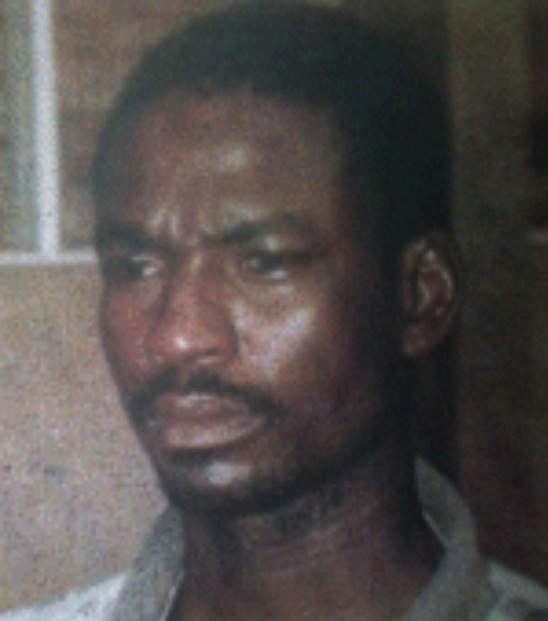
Forensic & Criminological Matrix
| Parameter | Forensic Detail |
|---|---|
| Forensic Heading / Aliases | The Accra Strangler |
| Legal Identity | Charles Papa Kwabena Ebo Quansah |
| Confirmed Victims | 9 |
| Attributed / Indicted Victims | 34 |
| Active Timeline | 1993 - 2000 |
| Jurisdiction / Area of Operations | Accra and Kumasi, Ghana |
| Criminological Classification | Serial Killer |
| Forensic Modus Operandi | Manual strangulation following sexual assault |
| Weapon / Mechanism of Death | Strangulation |
| Motive / Behavioral Dynamics | Sexual aggression / Ritualistic behavior |
| Judicial Outcome | Sentenced to death (2002) |
1. Background and Profile
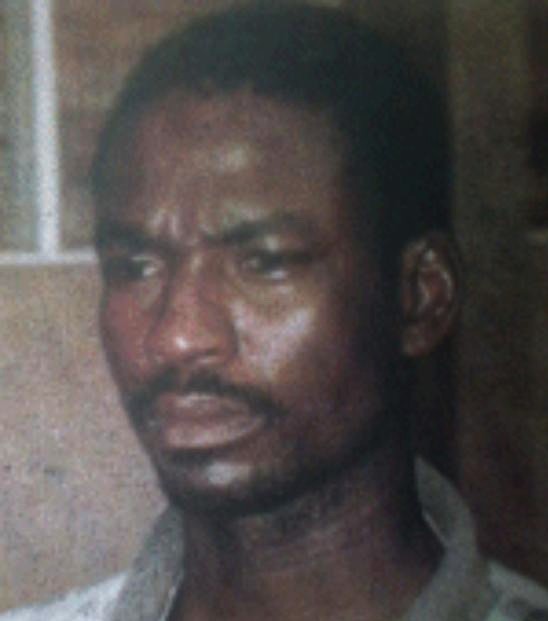
Charles Papa Kwabena Ebo Quansah (born 1964) is a Ghanaian serial killer with a prior criminal record involving rape convictions in 1986 and 1987. His history of incarceration at James Fort and Nsawam prisons provided the state with a baseline for his criminal trajectory, which escalated into a series of murders that terrorized the capital city of Accra for over two years.
2. Crime Spree
Between 1993 and 2000, 34 women were murdered in a similar fashion across Accra and Kumasi. The victims were typically found strangled, often in a supine position with evidence of sexual assault. Quansah was initially arrested in July 2000 for the murder of his girlfriend, Joyce Boateng, which led to further investigations linking him to the broader serial killing spree.
3. Investigation and Arrest
Police investigations involved a specialized team of crime scene experts. Quansah was apprehended at his home in Adenta. Throughout his detention, he alleged that he was subjected to brutal torture, including the use of hot irons, to coerce a confession. The police maintained that he voluntarily confessed to nine of the murders, a claim Quansah has consistently denied since his conviction.
4. Legal Proceedings and Outcome
Quansah's trial commenced on July 11, 2002, at the Accra High Court. Despite defense arguments regarding the lack of voluntary confession and the failure of the police to produce requested evidence (such as polygraph results), he was convicted and sentenced to death. He remains on death row, continuing to proclaim his innocence and calling for an independent judicial inquiry into his case.