



Forensic & Criminological Matrix
| Parameter | Forensic Detail |
|---|---|
| Forensic Heading / Aliases | Elizabeth Potts |
| Legal Identity | Elizabeth Atherton (born in Manchester, England) |
| Confirmed Victims | 1 (Miles Faucett) |
| Active Timeline | January 1, 1888 (crime date) |
| Jurisdiction / Area of Operations | Carlin, Elko County, Nevada, United States |
| Criminological Classification | Domestic homicide / Co-offending couple |
| Forensic Modus Operandi | Murder by firearm followed by clandestine burial in the basement, subsequent partial dismemberment (head and limbs) and attempted incineration to destroy evidence |
| Weapon / Mechanism of Death | Small arms / Cutting tools (ax) |
| Motive / Behavioral Dynamics | Financial extortion, debt disputes, and exposure of bigamy and past secrets |
| Judicial Outcome | Sentenced to death by hanging. Executed on June 20, 1890, in Elko, Nevada |
1. Background and Profile
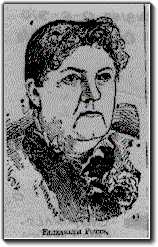
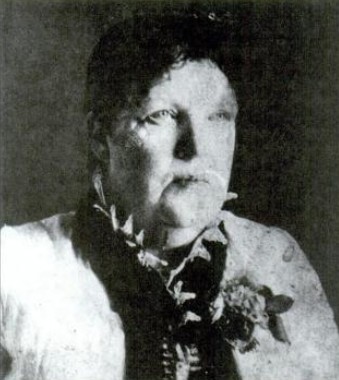
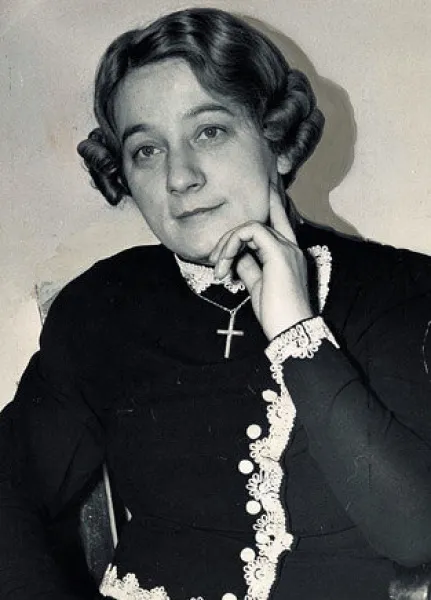
Elizabeth Atherton was born on December 21, 1846, in Manchester, England. She married Josiah Potts in 1863, and two years later the couple immigrated to the United States, initially settling in Milwaukee, Wisconsin, where they raised several children. Driven by Josiah's employment as a machinist for the Central Pacific Railroad, the family migrated westward, living in locations such as Terrace, Utah, and eventually settling in Carlin, Nevada, in 1886. During a period of financial hardship and temporary separation from her husband, Elizabeth traveled to Fresno, California, where she contracted a bigamous marriage with Miles Faucett, an English-born carpenter. Elizabeth later returned to her lawful husband in Carlin, where Faucett subsequently relocated as a boarder and neighbor.
2. Crime Spree
On January 1, 1888, Miles Faucett visited the Potts residence under the pretext of collecting an outstanding debt and leveraging knowledge of Elizabeth's past to coerce her financially. According to trial evidence and statements, a fatal altercation ensued, resulting in Faucett's death from gunshot wounds inside the home. Fearing social ruin and legal repercussions, Josiah and Elizabeth conspired to conceal the body, initially burying it in a shallow grave dug directly in the basement of the residence. Three months later, fearing decomposition odors, Josiah exhumed the corpse and partially dismembered it—severing the head and feet—while attempting to burn parts of the remains in a stove before reburying them on the property.
3. Investigation and Arrest
The crime remained undetected until January 1889, when the Brewer family, who rented the house after the Potts family relocated to Rock Springs, Wyoming, discovered mutilated human remains during excavation work in the cellar. Local authorities exhumed and positively identified the remains as those of Miles Faucett. Forensic analysis of the soil and physical evidence in the basement conclusively linked Josiah and Elizabeth Potts to the homicide, triggering an interstate investigation and subsequent arrest.
4. Legal Proceedings and Outcome
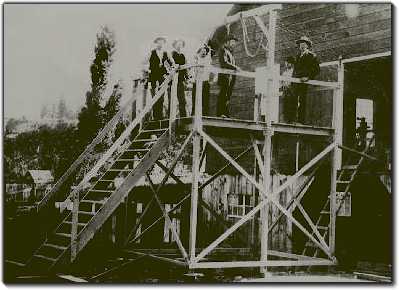
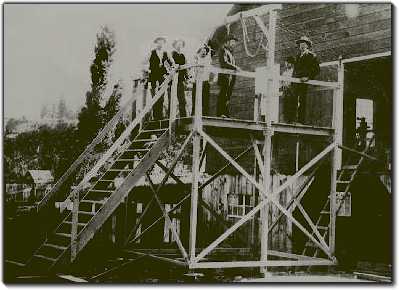
The couple was indicted for first-degree murder. During the four-day trial, the defense attempted to minimize Elizabeth's role, arguing that Josiah acted independently. However, the jury deliberated for roughly four hours before convicting both defendants of first-degree murder. Judge Bigelow sentenced them to death by hanging. Despite extensive clemency petitions from citizens, jurors, and even the sentencing judge—urging commutation to avoid hanging a woman based largely on circumstantial evidence—the Nevada Board of Pardons denied all appeals. On June 20, 1890, Elizabeth and Josiah Potts were simultaneously hanged on a double gallows constructed in the Elko jail yard before 52 witnesses, making Elizabeth Potts the sole woman legally executed in Nevada history.
5. Psychiatric Assessment and Aftermath
Criminologically, the case exemplifies a shared criminal enterprise under intense socioeconomic pressure and the fear of moral exposure in the American Old West. Elizabeth displayed remarkable emotional control and detachment throughout the judicial proceedings, maintaining her innocence until the moment of her execution. Her public hanging stands as a significant historical benchmark in Nevada's penal history, underscoring the strict and unyielding enforcement of capital punishment in the late 19th century.