Forensic & Criminological Matrix
| Parameter | Forensic Detail |
|---|---|
| Forensic Heading / Aliases | N/A |
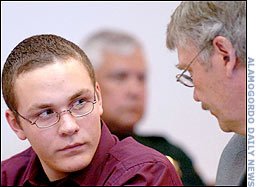
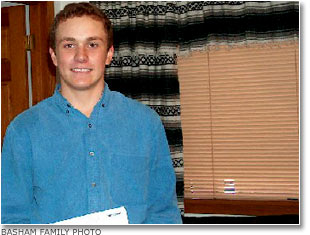
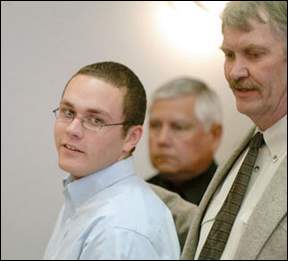
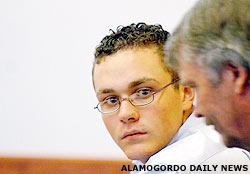
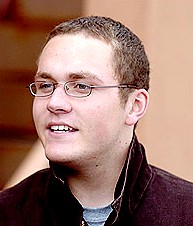
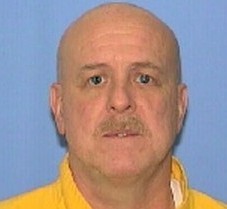
| Legal Identity | Cody Posey |
| Confirmed Victims | 3 |
| Attributed / Indicted Victims | 3 |
| Active Timeline | July 4, 2004 |
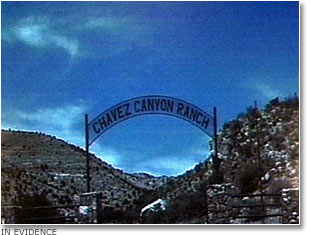
| Jurisdiction / Area of Operations | Chavez Canyon, New Mexico, USA |
| Criminological Classification | Juvenile Parricide |
| Forensic Modus Operandi | Execution by firearm and body concealment |
| Weapon / Mechanism of Death | .38 Special Revolver |
| Motive / Behavioral Dynamics | Chronic physical and psychological abuse |
| Judicial Outcome | Convicted of murder and voluntary manslaughter; released in 2010 |
1. Background and Psychopathy
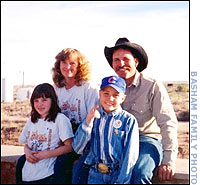
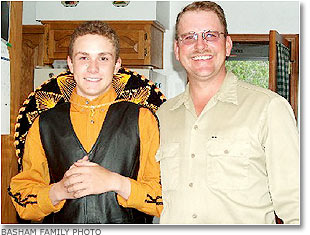
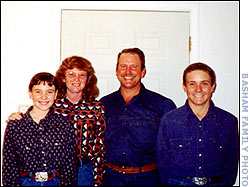
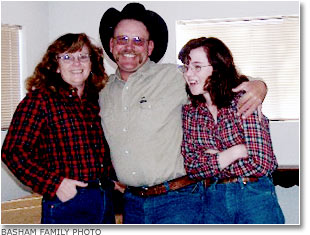
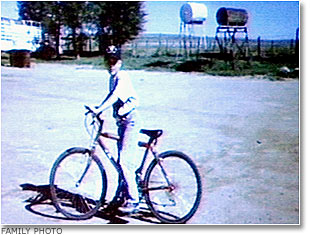
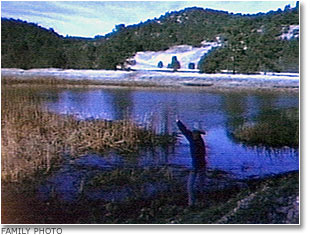
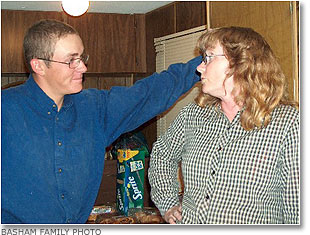
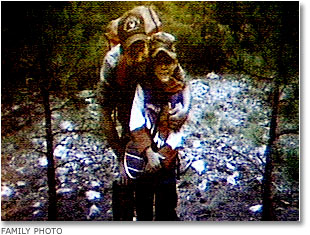
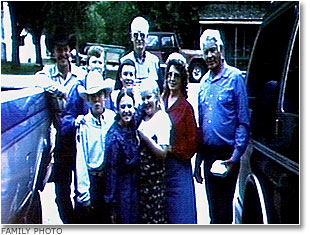
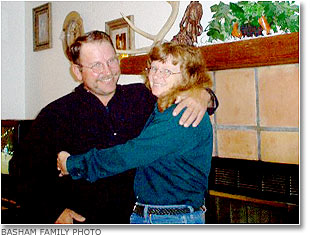
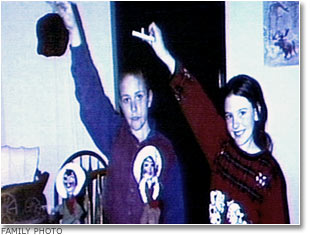
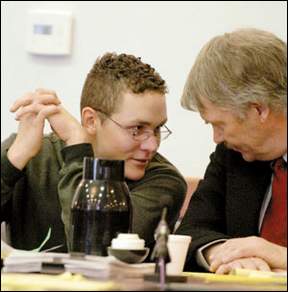
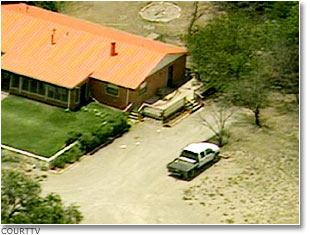
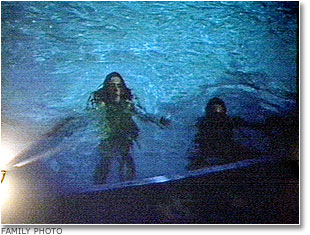
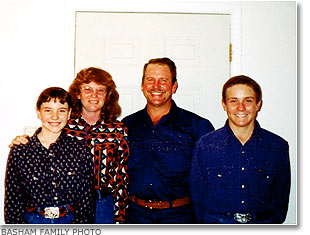
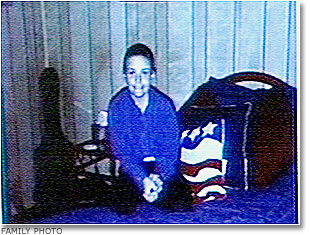
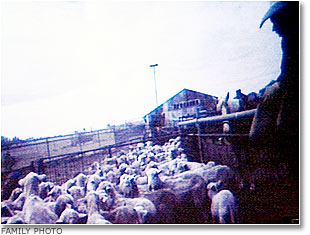
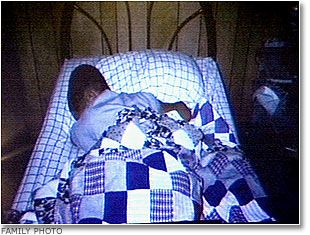
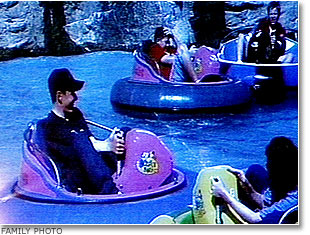
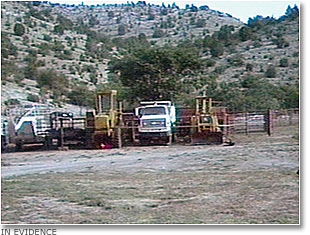
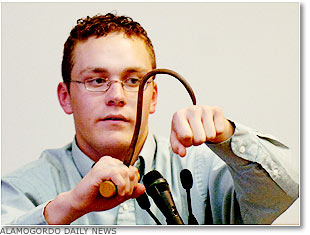
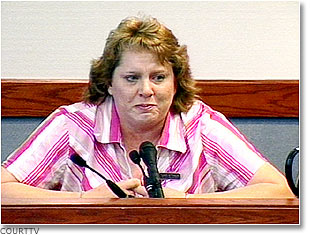
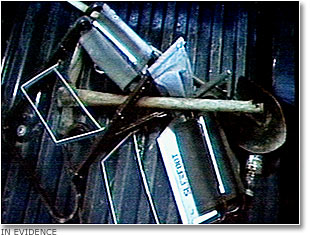
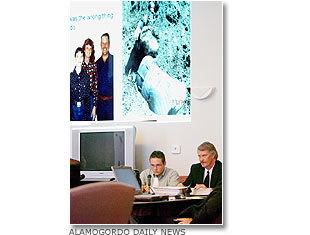
Cody Posey was born on October 9, 1989. His upbringing was characterized by severe custody disputes and family instability. Following his mother's death in a car accident, he was placed under the care of his father, Paul Posey, and stepmother, Tryone Schmid. The family lived on a ranch in Chavez Canyon. Witnesses and teachers later testified to a pattern of systemic abuse, including physical beatings with ranch implements and psychological humiliation.
2. Crime Spree
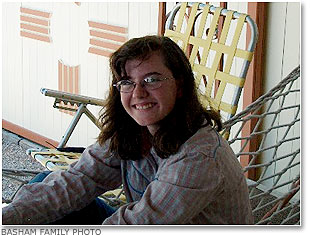
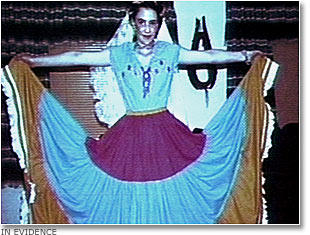
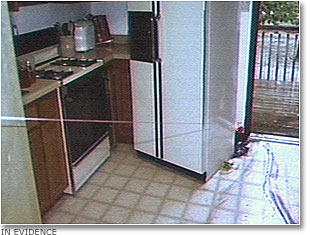
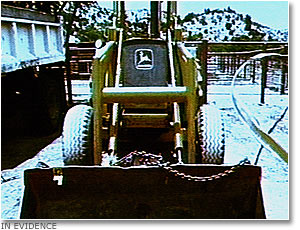
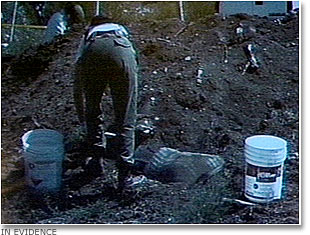
On July 4, 2004, following a physical confrontation with his father, Posey retrieved a .38 caliber revolver. He shot his stepmother, Tryone, in the living room, then killed his father, Paul, and finally his stepsister, Marilea, to eliminate witnesses. He attempted to bury the bodies in a manure pile before attempting to resume normal activities.
3. Investigation and Arrest
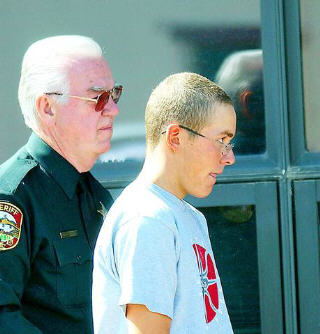
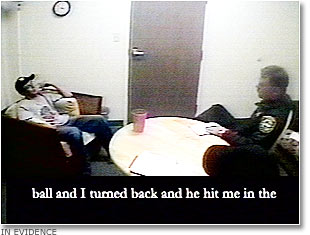
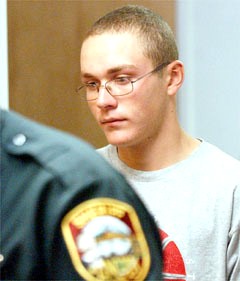
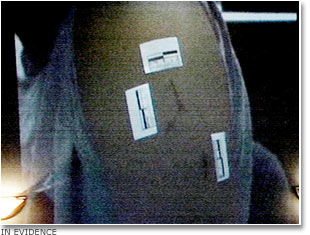
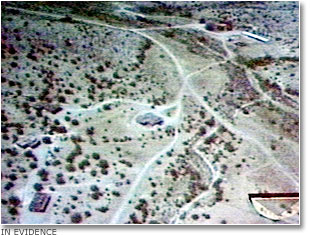
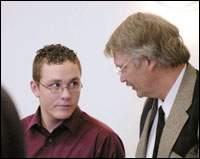
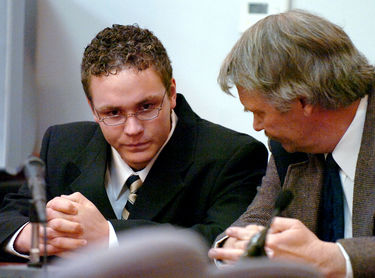
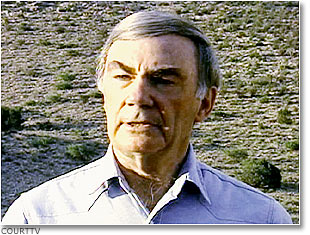
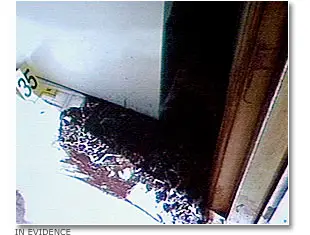
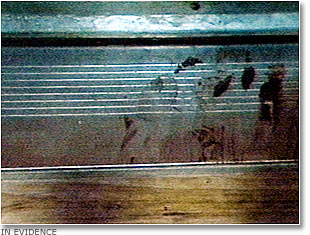
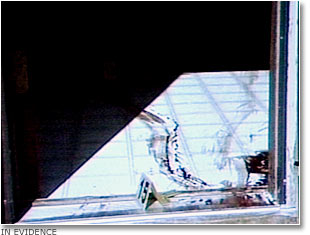
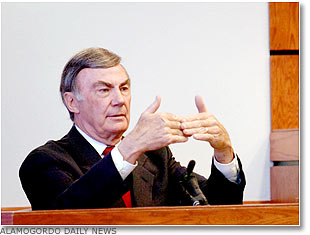
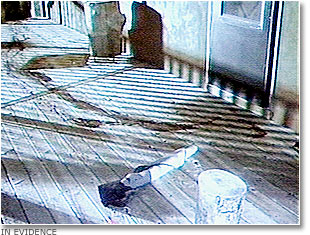
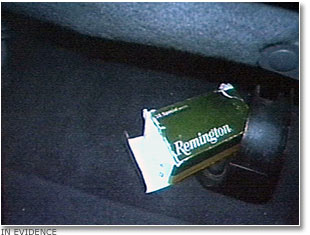
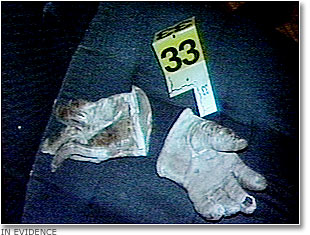
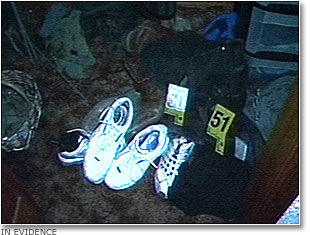
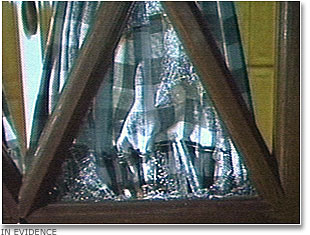
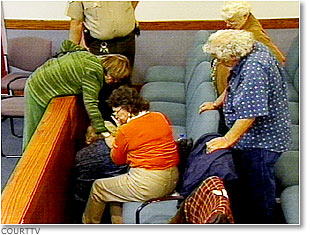
Sam Donaldson, the ranch owner, discovered the crime scene after failing to reach the family. Forensic evidence, including blood patterns and the recovered weapon, linked Posey to the scene. His defense team presented evidence of a toxic, abusive household, including the discovery of incestuous material on the father's computer.
4. Legal Proceedings and Outcome
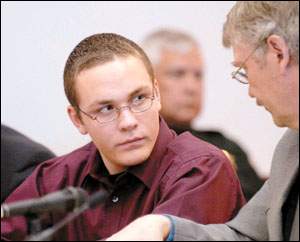
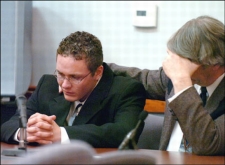
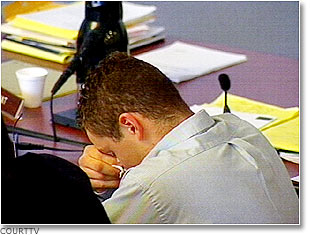
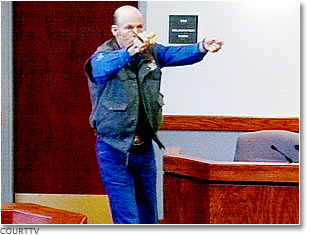
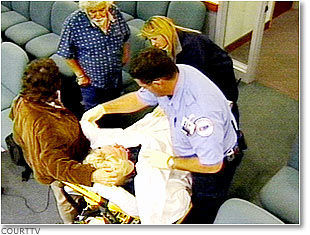
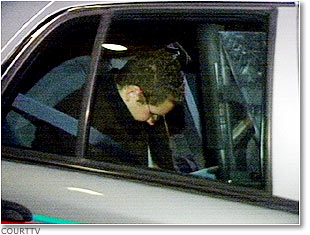
In 2006, Posey was convicted of first-degree murder, second-degree murder, and voluntary manslaughter. He was sentenced as a juvenile and remained in custody until his release on October 10, 2010. The case became a focal point for debates regarding juvenile justice and the influence of media violence.