Forensic & Criminological Matrix
| Parameter | Forensic Detail |
|---|---|
| Forensic Heading / Aliases | None |
| Legal Identity | Pompeyo Miranda Ruiz |
| Confirmed Victims | 2 |
| Attributed / Indicted Victims | 2 |
| Active Timeline | 1991 - 1994 |
| Jurisdiction / Area of Operations | Santa Cruz de la Sierra, Bolivia |
| Criminological Classification | Multiple murderer / Violent offender |
| Forensic Modus Operandi | Firearm usage and blunt force trauma |
| Weapon / Mechanism of Death | Handgun and concrete blocks |
| Motive / Behavioral Dynamics | Drug trafficking and prison power dynamics |
| Judicial Outcome | 45-year sentence (accumulated); released in 2013 following ECHR ruling |
1. Background and Profile
Born in Almería, Spain, in 1965, Pompeyo Miranda Ruiz developed a criminal record early in life. Seeking to escape legal issues in Spain, he relocated to Bolivia in the early 1990s, where he became involved in the drug trade in Santa Cruz de la Sierra.
2. Crime Spree
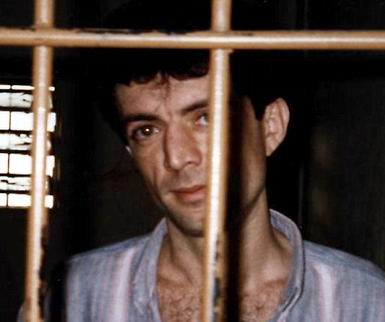
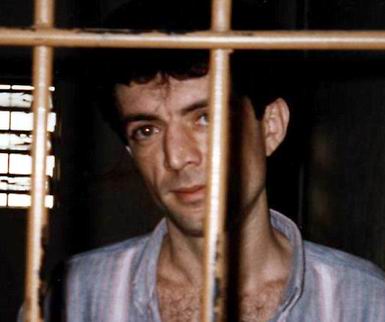
Miranda's criminal activity escalated to homicide in 1991 when he murdered his partner, Gloey Weisseman, an American Peace Corps volunteer, fearing she would expose his drug-related activities. While incarcerated at Palmasola prison, he murdered fellow inmate Marcial Delgadillo in 1994 using a concrete block during a violent confrontation.
3. Investigation and Arrest
Due to the victim's nationality, the FBI assisted local authorities in the investigation. Miranda's criminal career was marked by a daring prison escape and subsequent recapture in Peru. His time in Bolivian high-security prisons was characterized by extreme behavioral issues and self-harm.
4. Legal Proceedings and Outcome
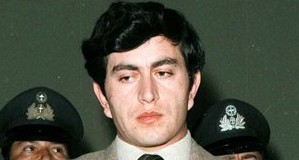
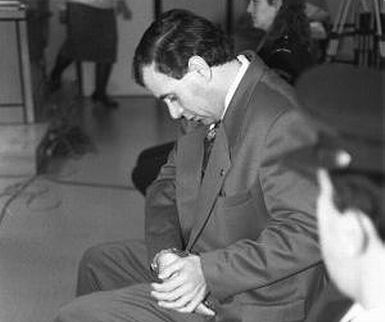
Extradited to Spain in 1999, Miranda faced a complex legal battle regarding the application of the 'Parot doctrine', which delayed his release. Following the 2013 European Court of Human Rights ruling against the doctrine, he was released after serving 22 years in total.