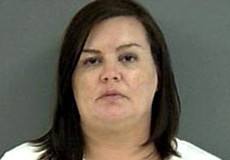





Forensic & Criminological Matrix
| Parameter | Forensic Detail |
|---|---|
| Forensic Heading / Aliases | Susan Polk |
| Legal Identity | Susan Mae Bolling |
| Confirmed Victims | 1 (Felix Polk) |
| Active Timeline | October 2002 |
| Jurisdiction / Area of Operations | Orinda, Contra Costa County, California, USA |
| Criminological Classification | Spousal Homicide / Domestic Murder |
| Forensic Modus Operandi | Multiple stab wounds inflicted within the domestic residence, followed by the strategic concealment and delayed exposure of the corpse to family members. |
| Weapon / Mechanism of Death | Edged weapon (knife) |
| Motive / Behavioral Dynamics | Financial disputes regarding estate control and severe marital breakdown; persecutory ideation during legal proceedings. |
| Judicial Outcome | Convicted of second-degree murder; sentenced to 16 years to life imprisonment (2007) |
1. Background and Profile
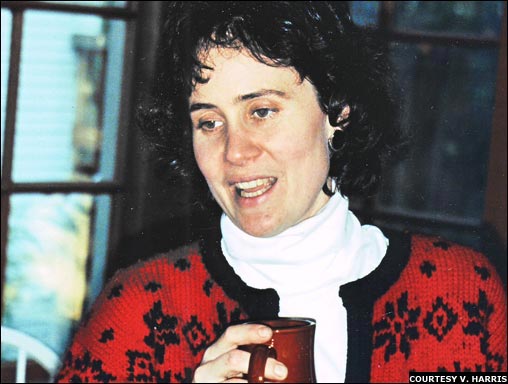
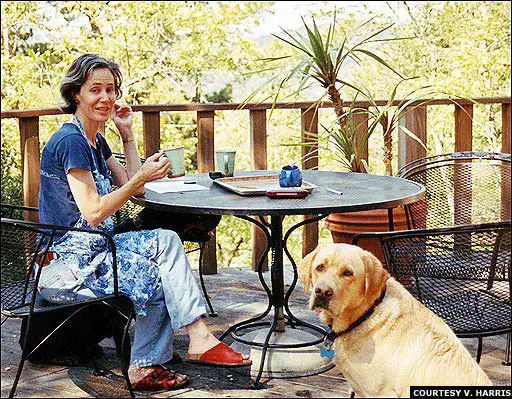
Susan Mae Bolling was born in 1957. In the early 1970s, while growing up in the suburbs of Oakland, California, she experienced significant emotional turmoil exacerbated by her parents' divorce. Following truancy and erratic claims regarding her family, a high school guidance counselor recommended psychological intervention, referring her to Dr. Felix Polk, a prominent Berkeley psychologist specializing in adolescent behavior.
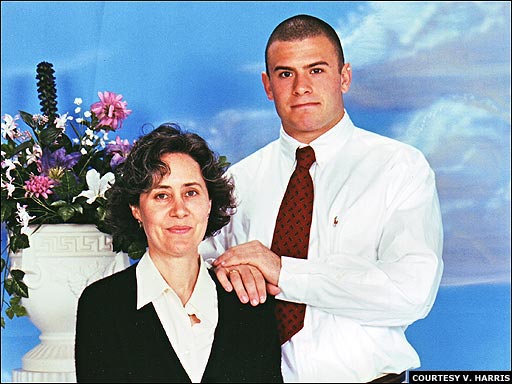
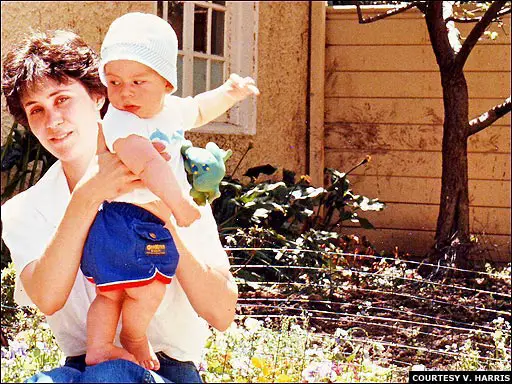
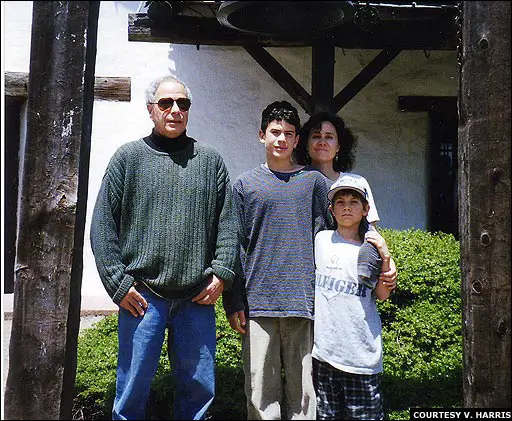
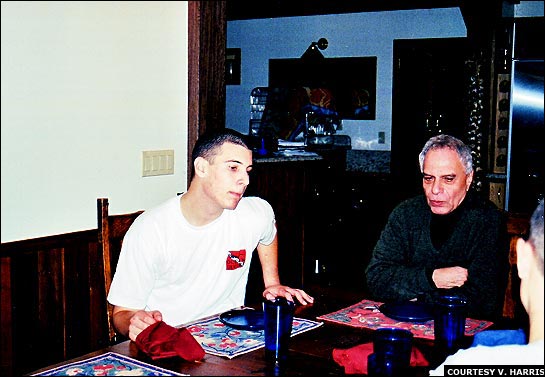
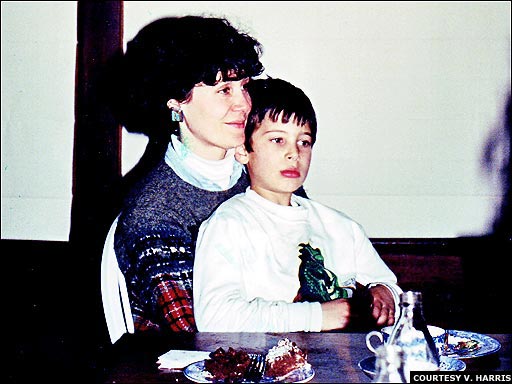
The initial doctor-patient relationship shifted boundaries while Susan was still a minor. Decades later, following the homicide, the defendant alleged abuse and manipulation, whereas contemporary police reports and witness testimonies documented a pattern of aggressive and controlling behavior by Susan herself. In 1982, Felix Polk divorced his first wife and married Susan, who was half his age. The marriage produced three sons: Gabriel, Eli, and Adam. Over the years, the household environment deteriorated significantly, characterized by mutual hostility and documented instances of spousal abuse perpetrated by Susan.
2. Criminal Career and Modus Operandi
In 2001, Susan Polk filed for divorce and temporarily left the family home. After a court awarded Felix Polk custody of their youngest son and exclusive occupancy of the Orinda residence, Susan illegally breached the property, threatened her husband, and took up residence in the guest cottage on the estate grounds.
In October 2002, amid escalating financial disputes concerning Felix Polk's multimillion-dollar estate, Susan murdered her husband by stabbing him repeatedly. She left the mutilated body in the pool house where it was subsequently discovered by her youngest son. Following the act, she attempted to construct false narratives and evade accountability.
3. Investigation and Arrest
Law enforcement investigators immediately focused on the immediate domestic circle following the forensic examination of the crime scene. Crime scene analysts established that the attack occurred internally without signs of forced entry. Testimonies from the couple's children—specifically Adam and Gabriel—corroborated a prolonged history of domestic violence, physical altercations, and verbal threats made by Susan against the victim.
Polk was arrested and formally charged with murder. Throughout the pretrial phase, she advanced complex allegations of institutional conspiracies involving law enforcement, forensic experts, prosecutors, and the judiciary.
4. Legal Proceedings and Outcome
Susan Polk’s trial became a media sensation due to her decision to represent herself (pro se) after dismissing multiple defense attorneys and following a mistrial declared after the tragic murder of her initial lead counsel's wife.
Presided over by Judge Laurel Brady in the Contra Costa County Superior Court, Polk engaged in frequent contentious outbursts, asserting bizarre conspiracy theories—including claims that her husband was an international spy and that she possessed psychic abilities. Testimony from her sons provided critical insight into her severe emotional instability and the dysfunctional family dynamics.
On June 16, 2006, a jury found Susan Polk guilty of second-degree murder. On February 23, 2007, her motion for a new trial was denied, and she was sentenced to 16 years to life in prison. Her conviction was officially affirmed by the California Court of Appeal in December 2010.
5. Psychiatric Assessment and Aftermath
From a criminological standpoint, Susan Polk’s case exemplifies spousal homicide driven by estate control motives and severe interpersonal pathology. Although the defense attempted to invoke battered-woman dynamics, trial evidence and family testimonies established that the defendant was the primary aggressor within the relationship.
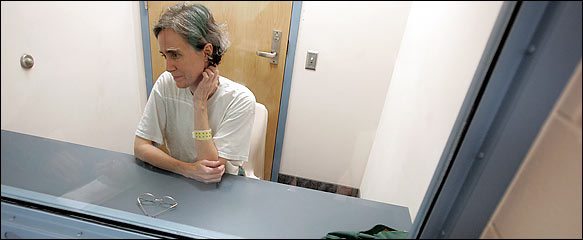
She remains incarcerated within the California Department of Corrections and Rehabilitation system, having exhausted standard appellate pathways.