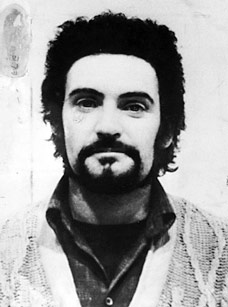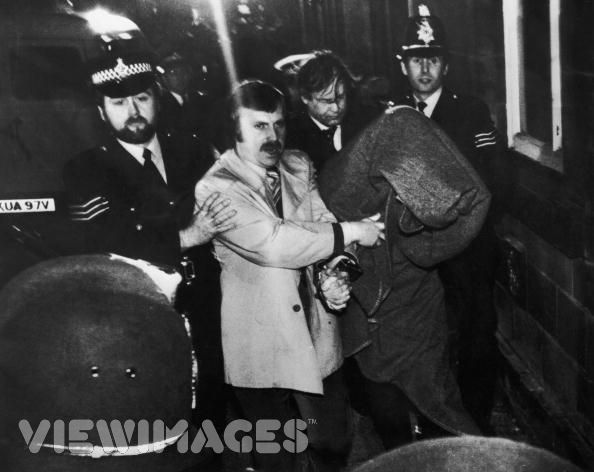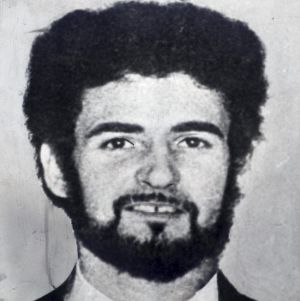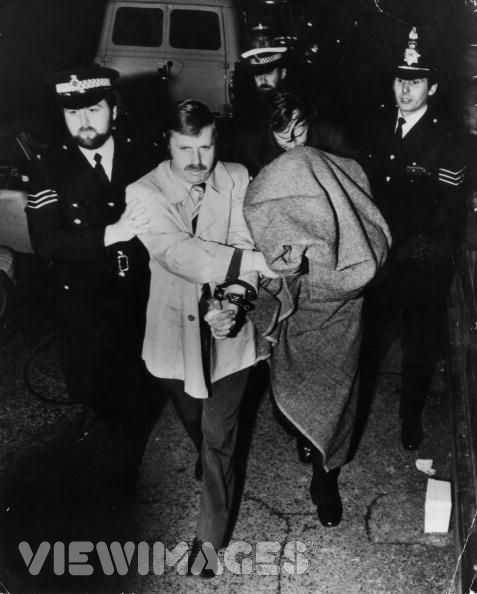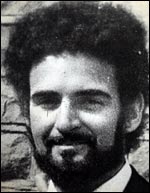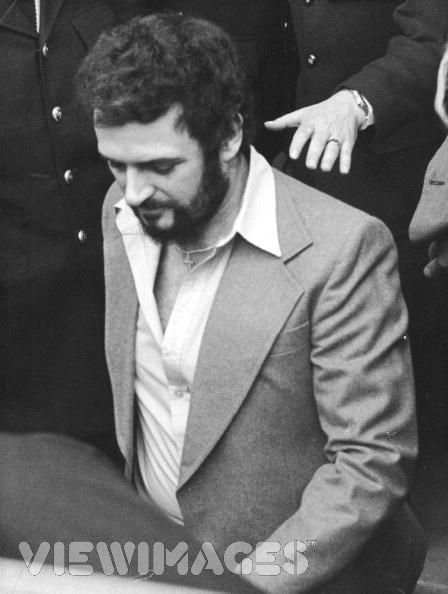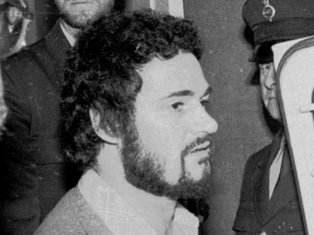


Forensic & Criminological Matrix
| Parameter | Forensic Detail |
|---|---|
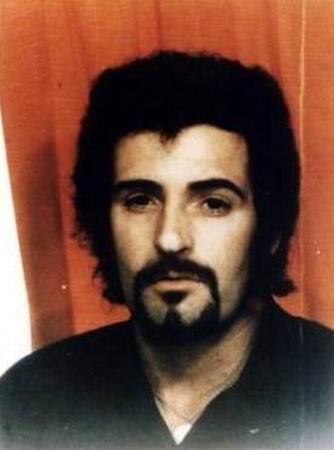
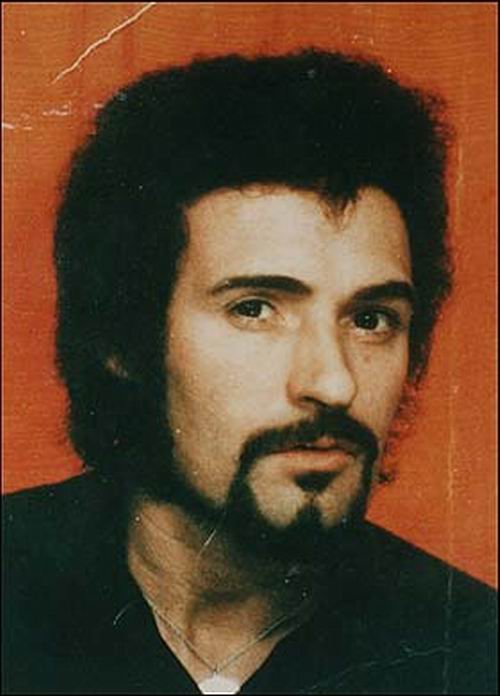
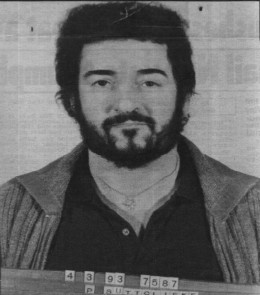
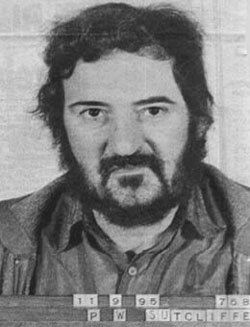
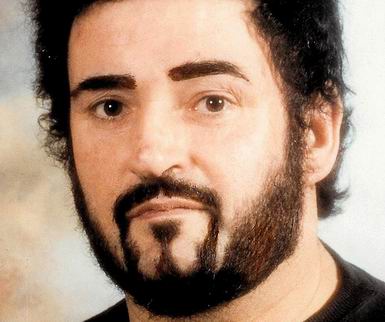
| Full Legal Name | Peter William Sutcliffe (later legally assumed his mother's maiden name, Coonan). |
| Criminal Moniker | The Yorkshire Ripper. |
| British Criminological Landmark | Central figure in the largest, most expensive criminal manhunt in United Kingdom history; the investigation paralyzed northern England for over five years and prompted the seminal Byford Report, which revolutionized police computerization (the HOLMES database system) across world policing. |
| Criminological Classification | Organized serial killer / Misogynistic lust murderer (Serial lust killer / Hammer and blade bludgeoner). |
| Active Murder Span | July 1975 – January 1981. |
| Geographical Theater | Leeds, Bradford, Huddersfield, Halifax, Keighley, and Manchester (Northern England). |
| Confirmed Murder Victims | 13 women murdered (plus 7 surviving victims who sustained catastrophic, life-altering head trauma). |
| Weapons Employed | Ball-peen engineer hammers, sharpened screwdrivers, and heavy kitchen carving knives. |
| Forensic Signature | Stealth ambushes from behind; swift incapacitation through blunt-force skull trauma; pulling clothing aside to expose the abdomen; extensive post-mortem stabbing concentrated across the torso, genitals, and thighs. |
| Judicial Trajectory & Death | Convicted in May 1981 at the Central Criminal Court (Old Bailey) of 13 murders and 7 attempted murders; sentenced to 20 concurrent life sentences with a whole-life tariff; transferred to Broadmoor High Security Hospital in 1984 following a diagnosis of paranoid schizophrenia; transferred to HMP Frankland in 2016; died on November 13, 2020, at age 74 from COVID-19 complications. |
Introduction: Five Years of Terror in the North
Between the autumn of 1975 and the winter of 1981, the working-class cities of northern England lived under an unprecedented curfew of fear. A lethal, phantom predator stalked the darkened streets, alleyways, and red-light districts of West Yorkshire and Greater Manchester.
Branded by the international press as "The Yorkshire Ripper" due to the savagery with which he mutilated his female victims, his reign of terror transformed daily life: women were officially warned by police against walking unaccompanied after dark, civil patrols formed, and detectives questioned hundreds of thousands of men. The protracted investigation became a tragic textbook study in institutional confirmation bias and bureaucratic failure, exacerbated by a malicious hoaxer whose fabricated tapes derailed the manhunt for eighteen months.
Background, Isolation, and Long-Haul Trucking
Born in Bingley, West Yorkshire, in June 1946, Sutcliffe was raised in a strict, working-class Catholic family dominated by a physically abusive father. Introverted, socially insecure, and fascinated by death, he worked as a gravedigger at Bingley Cemetery during his early twenties, later claiming that he first heard auditory hallucinations from a headstone instructing him to "eradicate prostitutes."
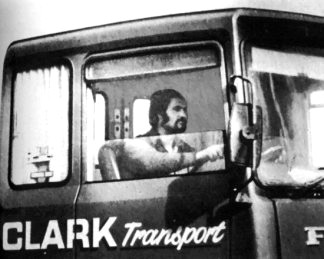
In 1974, he married Sonia Szurma, a woman who struggled with severe psychiatric illness. Employed as a long-haul commercial lorry driver for a Bradford transport firm, Sutcliffe acquired the ideal logistical cover: he was free to cruise the motorways of northern England late at night, stalking suburban neighborhoods and red-light districts without arousing domestic or community suspicion.
The Thirteen Fatal Victims
- Wilma McCann (aged 28, October 1975 - Leeds): Mother of four bludgeoned with a ball-peen hammer and stabbed fifteen times in the chest and abdomen.
- Emily Jackson (aged 42, January 1976 - Leeds): Sustained 52 puncture wounds inflicted with a sharpened flathead screwdriver.
- Irene Richardson (aged 28, February 1977 - Leeds): Murdered in Roundhay Park.
- Patricia Atkinson (aged 32, April 1977 - Bradford): Ambushed inside her own flat.
- Jayne MacDonald (aged 16, June 1977 - Leeds): An innocent shop assistant walking home from a dance; her murder dismantled the police premise that the killer exclusively targeted sex workers, triggering national outcry.
- Jean Jordan (October 1977 - Manchester): Body dumped in an allotment; Sutcliffe returned days later to attempt decapitation.
- Yvonne Pearson, Helen Rytka, Vera Millward, Josephine Whitaker, Barbara Leach, Marguerite Walls, and Jacqueline Hill: Between 1978 and November 1980, Sutcliffe killed seven more women across Halifax, Bradford, Huddersfield, and Leeds, concluding with the murder of Leeds University English student Jacqueline Hill.
The "Wearside Jack" Hoax and Institutional Blindness
The investigation, spearheaded by Assistant Chief Constable George Oldfield, suffered a disastrous derailment in 1979 when a hoaxer from Sunderland, John Humble ("Wearside Jack"), mailed taunting letters and an audio cassette tape addressed to Oldfield claiming responsibility in a distinctive Geordie accent.
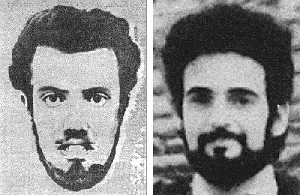
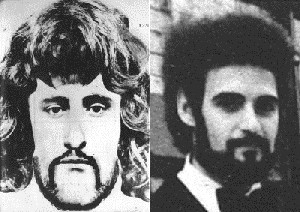
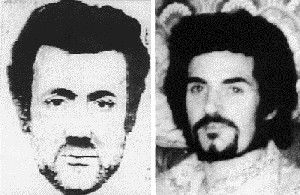
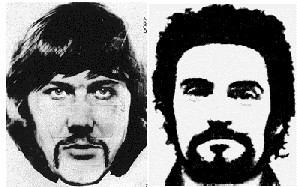
Convinced that the recording belonged to the true killer, Oldfield ordered detectives to eliminate any suspect who lacked a Wearside accent. Although Peter Sutcliffe was formally interviewed by detectives an astonishing nine separate times—his vehicle registration was logged dozens of times in red-light areas and coworkers reported his resemblance to photofit sketches—he was repeatedly dismissed from suspicion solely because he spoke with a Yorkshire accent.
Routine Traffic Stop in Sheffield
The reign of terror ended through routine street policing on January 2, 1981, in Sheffield. Patrolmen Robert Ring and Robert Hydes observed an unroadworthy Rover sedan parked in the red-light district of Broomhall carrying false number plates, occupied by Sutcliffe and a local woman, Olivia Reivers.
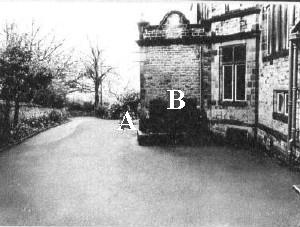
Detaining the driver under a false alias, the officers transported him to the station. The following morning, Sergeant Ring searched the arrest site, discovering a ball-peen hammer and kitchen knife that Sutcliffe had discarded in nearby bushes.
Under sustained forensic questioning in Dewsbury, Sutcliffe broke down before Detective Inspector John Boyle: "I think you know what you are looking for. I am the Ripper."
Old Bailey Trial and Aftermath
At trial at the Old Bailey in May 1981 before Mr. Justice Boreham, Attorney General Sir Michael Havers rejected a defense plea bargain of manslaughter based on paranoid schizophrenia. The jury deliberated and unanimously convicted Sutcliffe of thirteen counts of murder, resulting in twenty concurrent life sentences.
Transferred to Broadmoor High Security Hospital in 1984, Sutcliffe remained under secure psychiatric treatment for over thirty years until his reclassification and transfer to HMP Frankland in 2016.
Peter Sutcliffe died on November 13, 2020, at age 74 at the University Hospital of North Durham after refusing medical intervention for COVID-19, closing one of the most painful chapters in modern British history.