Forensic & Criminological Matrix
| Parameter | Forensic Detail |
|---|---|
| Forensic Heading / Aliases | Beckett |
| Legal Identity | Henry Perry |
| Confirmed Victims | 4 |
| Attributed / Indicted Victims | 4 |
| Active Timeline | April 28, 1919 |
| Jurisdiction / Area of Operations | Forest Gate, London, United Kingdom |
| Criminological Classification | Mass murderer |
| Forensic Modus Operandi | Axe assault following personal dispute |
| Weapon / Mechanism of Death | Axe |
| Motive / Behavioral Dynamics | Personal vendetta and alleged PTSD |
| Judicial Outcome | Sentenced to death and executed at Pentonville |
1. Background and Profile
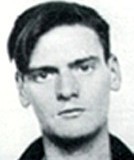
Henry Perry (1881-1919), known by the alias 'Beckett', was a World War I veteran who returned to England after serving in the Middle East. Perry had a familial connection to the Cornish family, as Mrs. Alice Cornish was his stepfather's sister. He had previously lodged with them until a row led to his eviction, which fostered deep-seated resentment.
2. Crime Spree
On April 28, 1919, while passing the Cornish residence in Forest Gate, Perry was invited inside by Alice Cornish. An argument ensued, during which Perry seized an axe and beat Alice to death. He then waited for the remaining family members—Walter Cornish (47) and their daughters Alice (14) and Marie (5)—to return home, systematically murdering each of them upon arrival. He also stole valuables from the house.
3. Investigation and Arrest
Police investigation quickly identified Perry as the primary suspect due to his known history with the victims. Forensic evidence gathered at the scene, combined with witness statements, allowed investigators to reconstruct the sequence of the quadruple homicide.
4. Legal Proceedings and Outcome
Perry stood trial at the Old Bailey. His defense team argued insanity, citing trauma from his time as a prisoner of war in Turkey and shrapnel-related head injuries. Prosecutor Percival Clarke countered this by highlighting Perry's 17 prior criminal convictions, arguing that the war had merely exacerbated a pre-existing violent disposition. The jury found him guilty, and he was sentenced to death by Mr. Justice Darling. He was executed by hanging at Pentonville Prison on July 10, 1919, by executioners John Ellis and William Willis.