Forensic & Criminological Matrix
| Parameter | Forensic Detail |
|---|---|
| Forensic Heading / Aliases | Tate WiWikuwa, Gwarth-ee-lass |
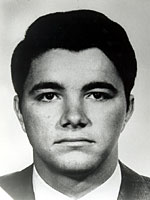
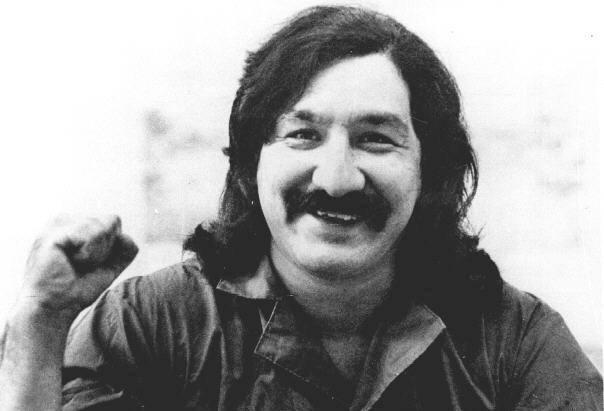
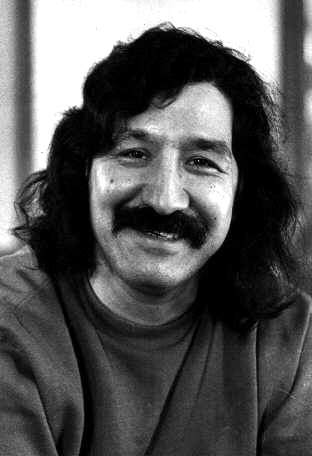
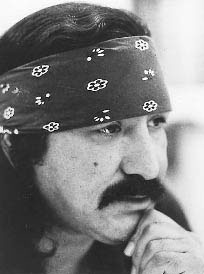
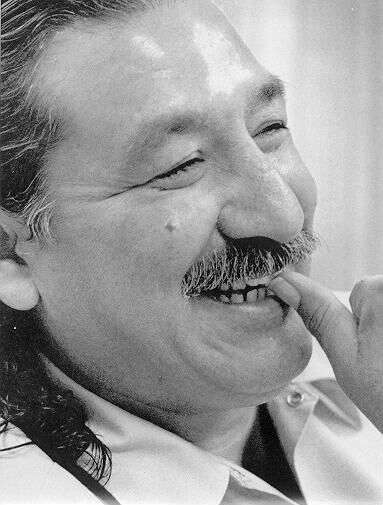
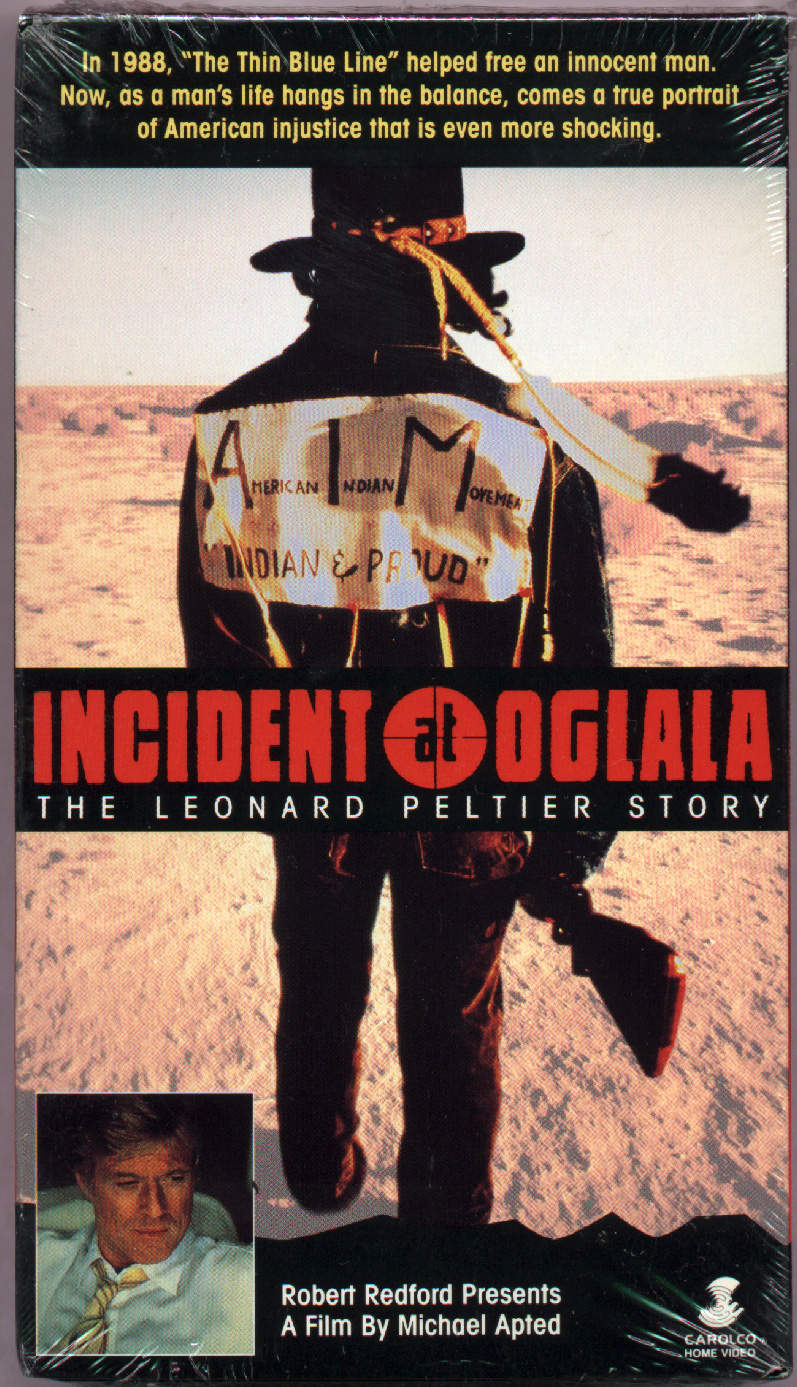
| Legal Identity | Leonard Peltier |
| Confirmed Victims | 2 |
| Attributed / Indicted Victims | 2 |
| Active Timeline | 1975 |
| Jurisdiction / Area of Operations | Pine Ridge, South Dakota, USA |
| Criminological Classification | Murderer (Political Activist) |
| Forensic Modus Operandi | Long-range rifle fire followed by execution |
| Weapon / Mechanism of Death | .223 caliber AR-15 rifle |
| Motive / Behavioral Dynamics | Political conflict and radicalization |
| Judicial Outcome | Two consecutive life sentences |
1. Background and Psychopathy
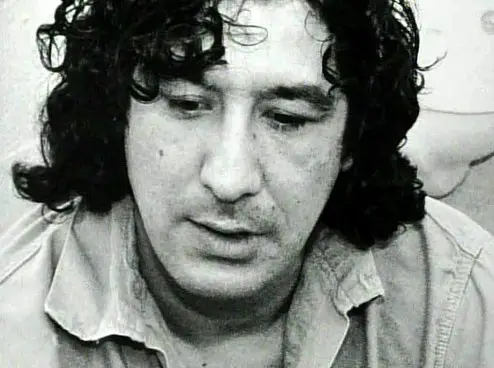
Born in 1944, Leonard Peltier became a prominent figure in the American Indian Movement (AIM). His background in boarding schools and his experience with reservation politics shaped his militant approach to Native American rights, leading to his involvement in the 1975 Pine Ridge standoff.
2. Crime Spree
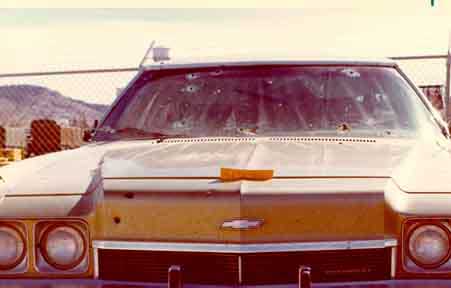
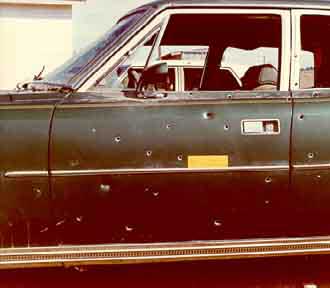
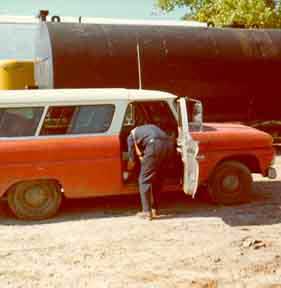
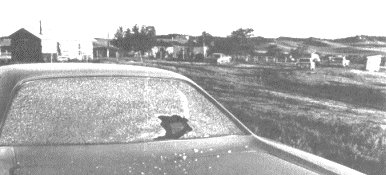
On June 26, 1975, FBI agents Williams and Coler were killed during a shootout at Jumping Bull Ranch. Forensic evidence indicated that the agents were incapacitated by long-range fire and subsequently executed at close range.
3. Investigation and Arrest
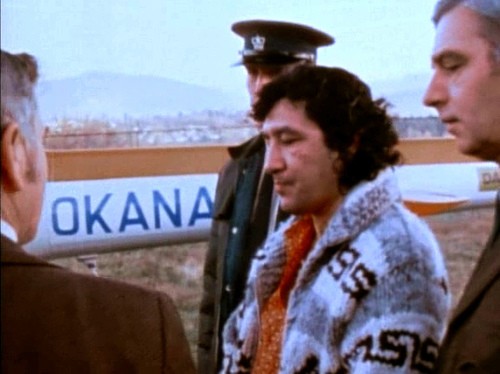
Following the incident, Peltier fled to Canada. He was apprehended by the RCMP in 1976 and extradited to the United States. The FBI investigation relied on ballistics matching and witness testimony to link Peltier to the murder weapon.
4. Legal Proceedings and Outcome
Convicted in 1977, Peltier has exhausted all legal appeals. His case remains a point of significant political and legal controversy, with supporters arguing for his release based on alleged trial irregularities, while the government maintains the validity of his conviction.