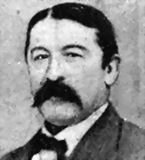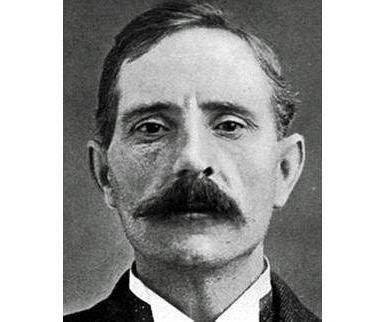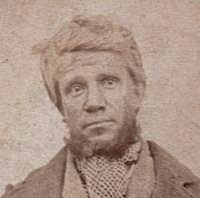
Forensic & Criminological Matrix
| Parameter | Forensic Detail |
|---|---|
| Forensic Heading / Aliases | The Banner Cross Killer |
| Legal Identity | Charles Frederick Peace |
| Confirmed Victims | 2 |
| Attributed / Indicted Victims | 2 |
| Active Timeline | 1851-1878 |
| Jurisdiction / Area of Operations | Sheffield, Manchester, London, UK |
| Criminological Classification | Serial Murderer / Professional Burglar |
| Forensic Modus Operandi | Use of disguises, concealed lock-picking tools, and firearms |
| Weapon / Mechanism of Death | Revolver (shooting) |
| Motive / Behavioral Dynamics | Obsessive passion and instrumental criminality |
| Judicial Outcome | Executed by hanging |
1. Background and Psychopathy
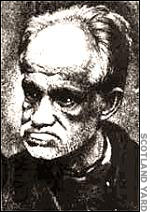
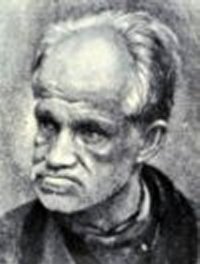
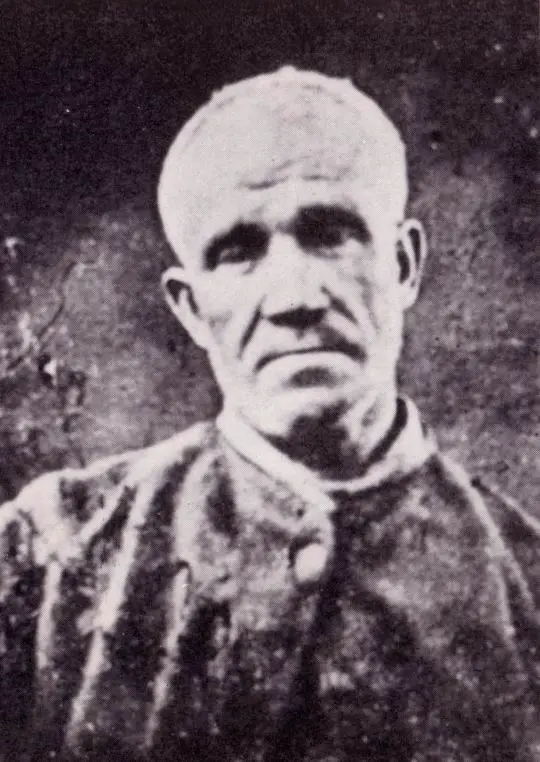
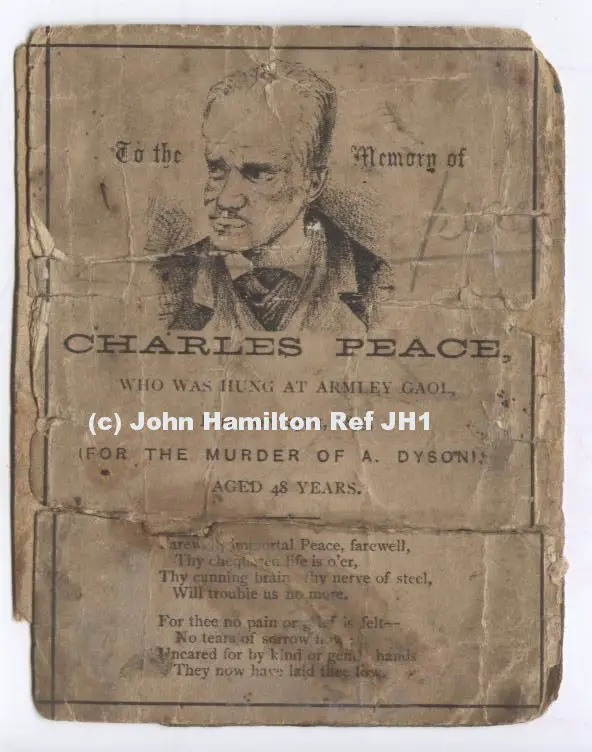
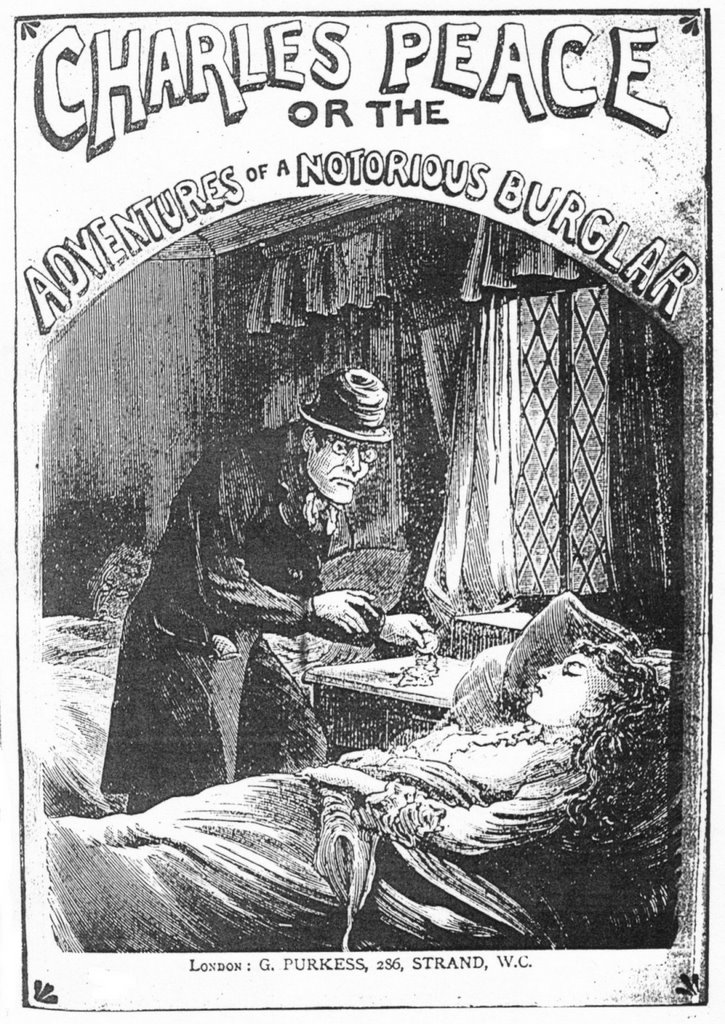
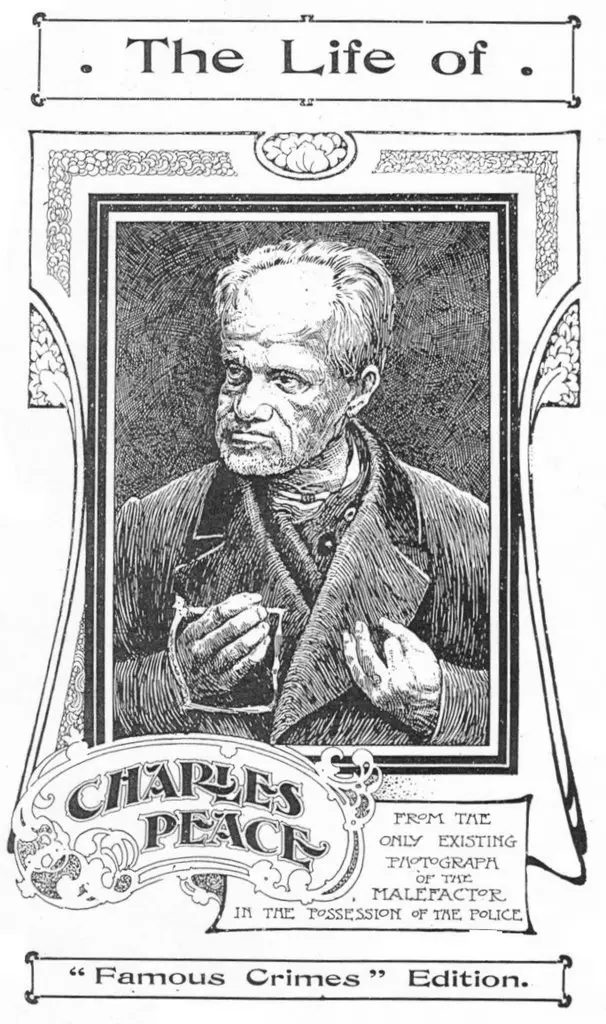
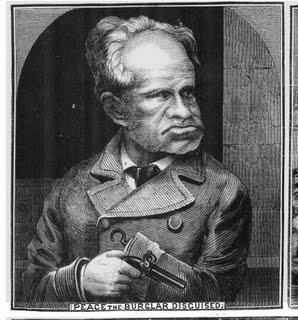
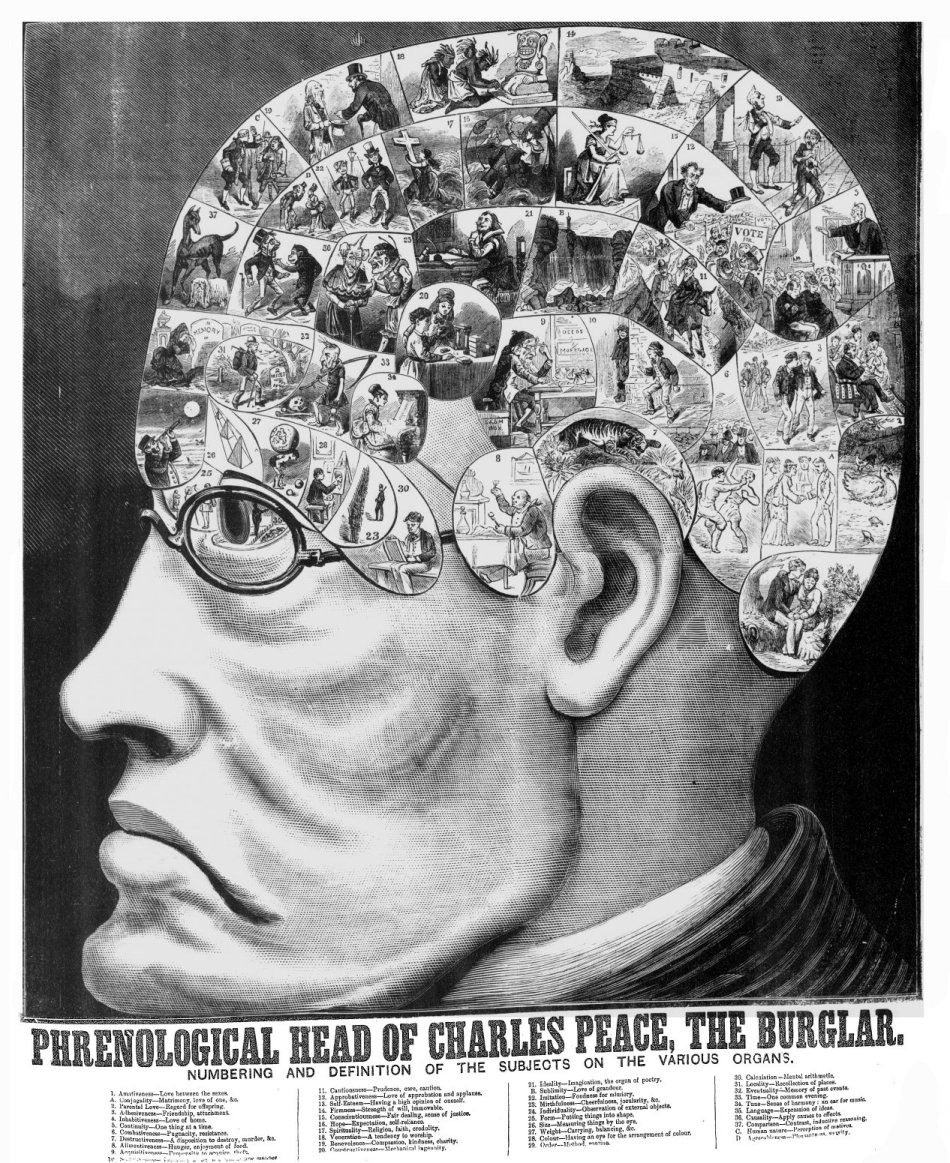
Charles Frederick Peace was born in Sheffield in 1832. Following a severe industrial accident at age 14, he suffered a permanent leg injury. This physical impairment did not hinder his criminal career; instead, he cultivated a persona as a musician and master of disguise, often using his violin case to transport burglary tools.
2. Crime Spree
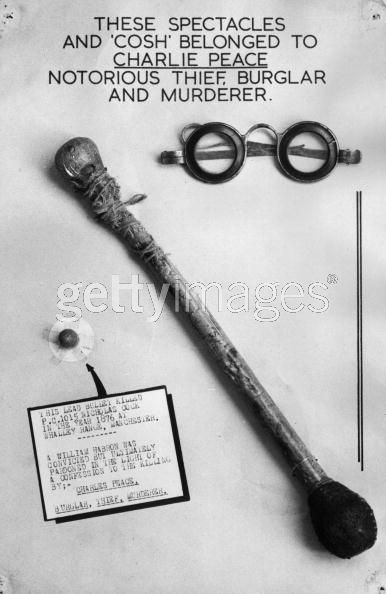
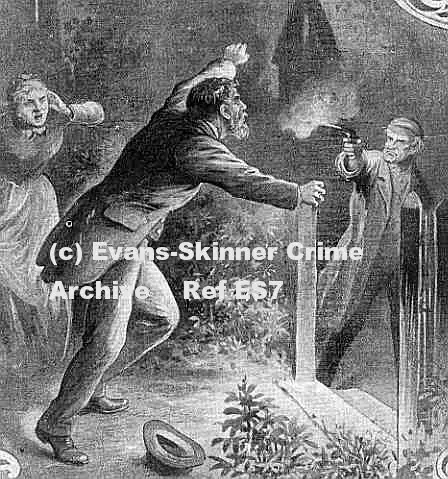
Peace's criminal career spanned decades, evolving from petty theft to high-stakes burglary and murder. His most notable crimes include the 1876 shooting of PC Nicholas Cock in Manchester and the murder of Arthur Dyson in Sheffield, driven by an obsessive, unrequited fixation on Dyson's wife, Katherine.
3. Investigation and Arrest
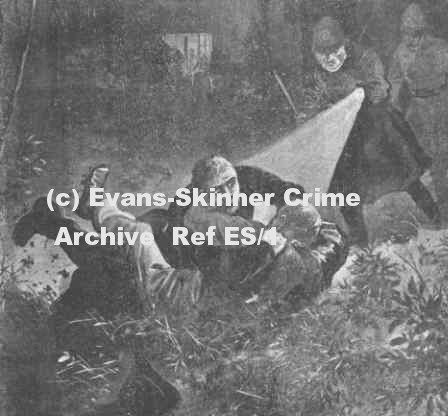
Peace was a master of evasion, frequently changing his appearance and identity. He was finally apprehended in Blackheath, London, in 1878 after a violent confrontation with Constable Robinson. Forensic evidence, including ballistics from his revolver, linked him to the Dyson murder.
4. Legal Proceedings and Outcome
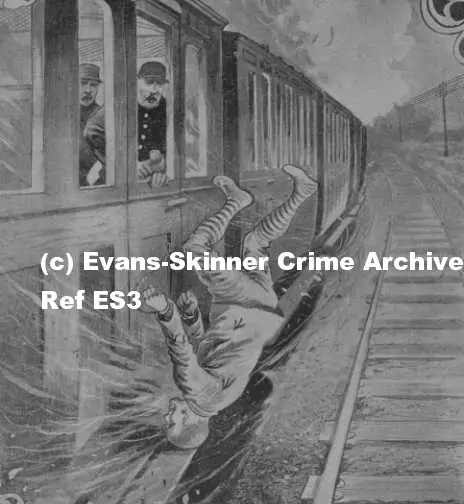
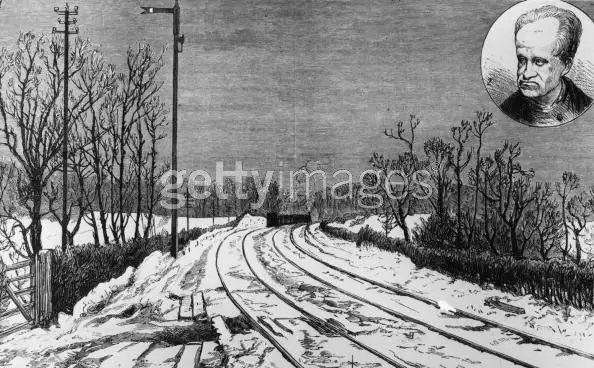
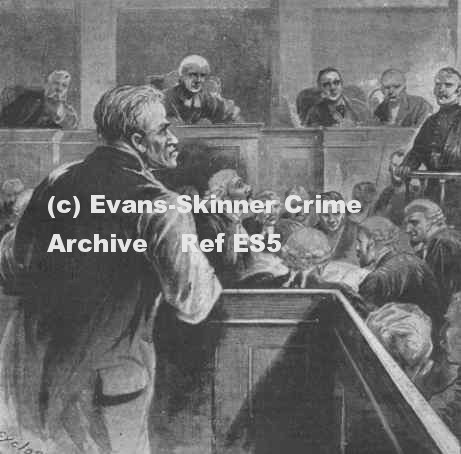
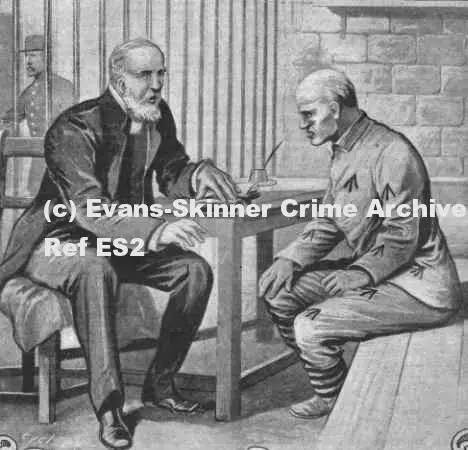
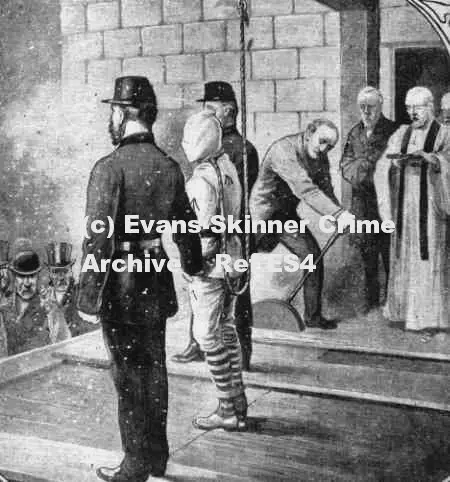
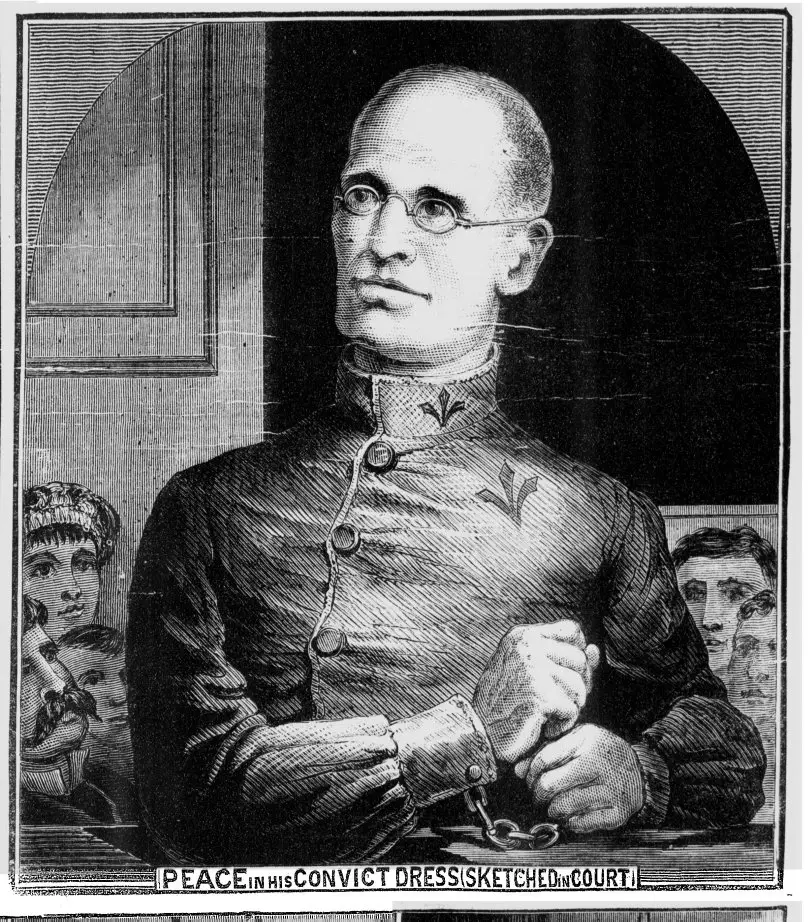
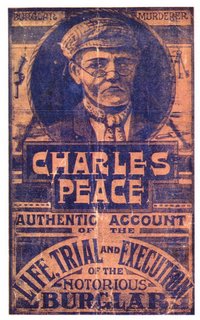
After being sentenced to life imprisonment for the attempted murder of PC Robinson, Peace was extradited to Sheffield to face trial for the Dyson murder. Despite a daring escape attempt from a train, he was brought to justice at the Leeds Assizes, where he was sentenced to death. He was executed on February 25, 1879, after providing a confession that exonerated William Habron, a man wrongly convicted of the murder of PC Cock.