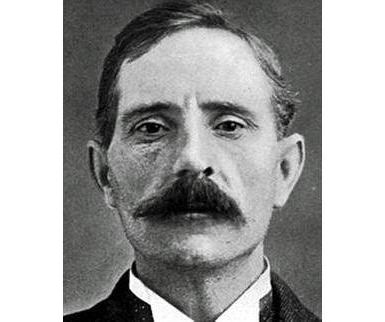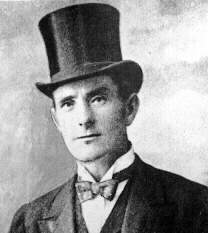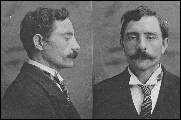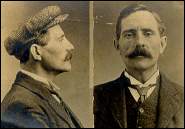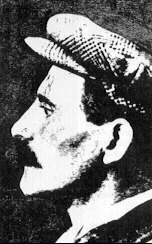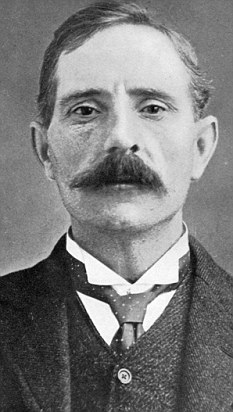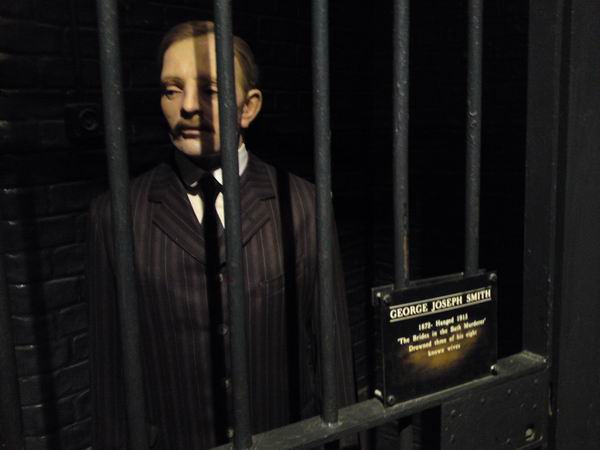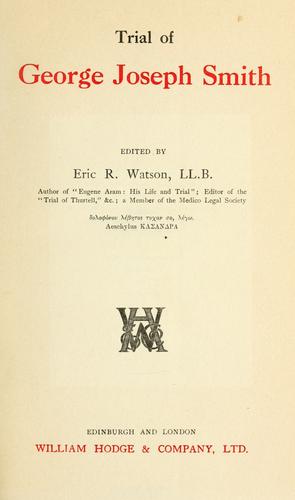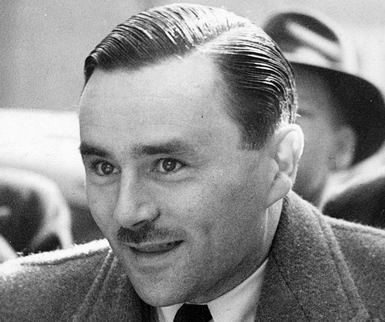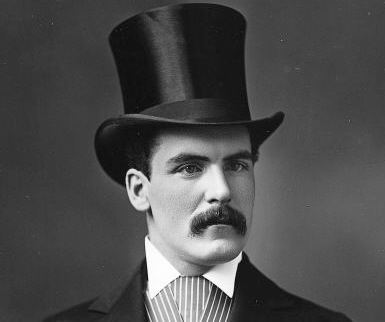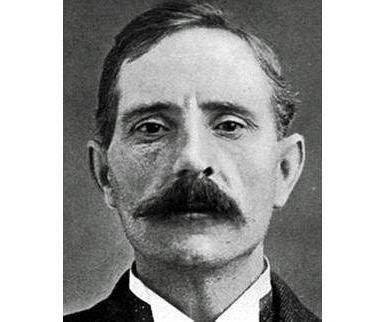




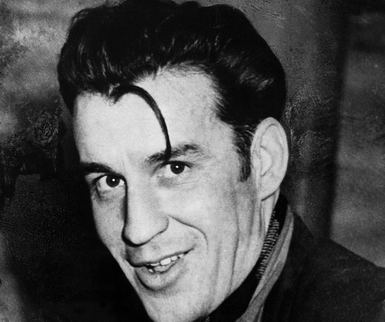
Forensic Profile Datasheet: George Joseph Smith ("The Brides in the Bath Murderer")
| Forensic Parameter | Evaluation Details |
|---|---|
| Full Legal Name | George Joseph Smith |
| Criminological Landmark | The Brides in the Bath Murders (Historic Forensic Drowning Trial, 1915) |
| Date & Place of Birth | January 11, 1872 — Bethnal Green, London, England |
| Date & Place of Execution | August 13, 1915 (aged 43) — HM Prison Maidstone, Kent, United Kingdom |
| Method of Execution | Judicial hanging by Executioner John Ellis |
| Criminological Classification | Serial instrumental uxoricide / Predatory bigamist and insurance murderer |
| Confirmed Fatalities | 3 wives: Beatrice "Bessie" Mundy (1912), Alice Burnham (1913), and Margaret Lofty (1914) |
| Scenes of the Crimes | Rented lodging bathtubs in Herne Bay (Kent), Blackpool (Lancashire), and Highgate (London) |
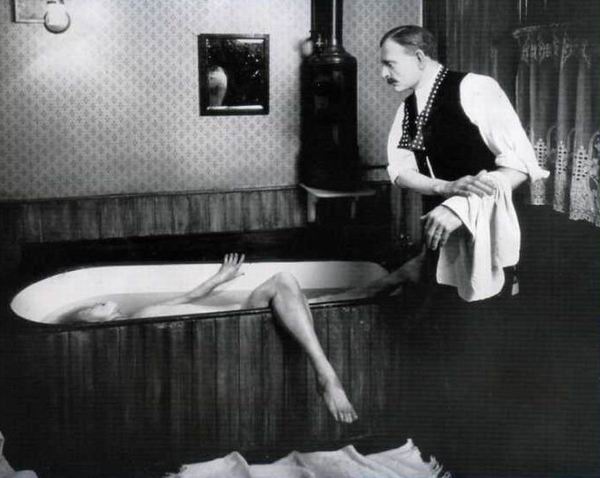
| Forensic Mechanism of Slaying | Vagal shock and mechanical drowning triggered by suddenly hoisting the victim's ankles submerged |
| Financial Plunder | Over £3,500 amassed through fraudulent life insurance policies and testamentary inheritances |
| Landmark Pathology | Dynamic bathtub immersion reconstruction experiments directed by Sir Bernard Spilsbury |
Early Reformatory Record and the Bigamy System
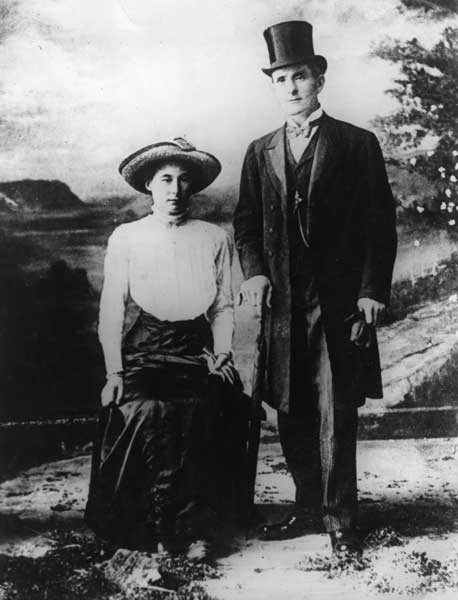
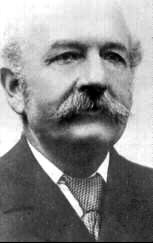
George Joseph Smith was born in 1872 in Bethnal Green, East London, the son of an insurance agent. Dispatched to reformatories during youth for petty larceny, Smith discovered in early adulthood that he commanded a hypnotic, theatrical charisma that captivated unmarried, socially isolated women of modest independent means.
Adopting diverse aliases (Henry Williams, George Smith, John Oliver Love), Smith engineered a systematic bigamous swindle: courting naive middle-class women, entering into illegal marriages under false names, convincing them to surrender their bank deposits or draft wills in his favor, and abruptly deserting them in public parks or rail platforms, vanishing with their assets.
The Three Bathtub Murders (1912–1914)
By 1912, calculating that outright murder secured vastly superior testamentary windfalls compared to mere desertion, Smith instituted his lethal bathtub method:
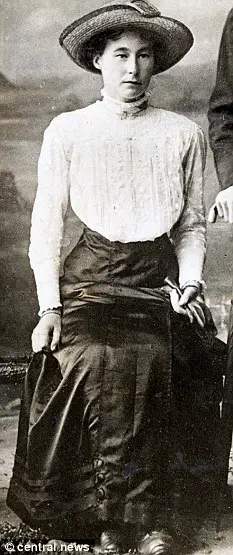
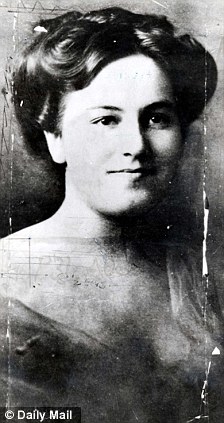
- Bessie Mundy (Herne Bay, July 1912): Posing as Henry Williams, Smith married Bessie Mundy, an heiress to a £2,500 family trust. After securing mutual wills, he rented a villa in Herne Bay and purchased a portable zinc bath. Days later, he escorted Bessie to a neighborhood physician claiming she suffered from epileptic fits. On July 13, 1912, he drowned her in the tub. The coroner certified accidental drowning secondary to a seizure; Smith inherited her estate.
- Alice Burnham (Blackpool, December 1913): In autumn 1913, Smith wed Alice Burnham, daughter of a prosperous coal merchant, inducing her to take out a £500 life insurance policy. Lodging at a Blackpool boarding house, he repeated the protocol: pre-emptive visits to a physician for "headaches," followed on December 12 by Alice's sudden drowning in her bath. The coroner ruled cardiac syncope, and Smith pocketed the insurance settlement.
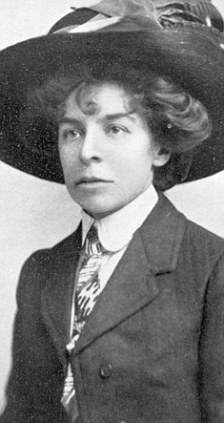
- Margaret Lofty (Highgate, December 1914): Posing as John Lloyd, Smith married 38-year-old Margaret Lofty in Bath. Having induced her to sign a £700 life policy the day prior to their wedding, Smith took lodgings at Bismarck Road in Highgate, London. On December 18, 1914, Margaret was discovered drowned in the shared bathroom while Smith ostentatiously played the parlor harmonium downstairs.
The Scotland Yard Breakthrough
Smith's downfall resulted from the vigilance of private citizens. Charles Burnham, father of Alice, read an account in the News of the World reporting Margaret Lofty's bathtub demise in Highgate. The uncanny parallels to his daughter's death in Blackpool prompted him to contact police. Concurrently, Mundy's former landlord in Herne Bay forwarded a matching clipping to Scotland Yard.
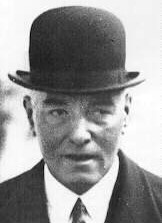
Detective Inspector Arthur Neil established that Henry Williams, George Smith, and John Lloyd were one physical man.
On February 1, 1915, detectives ambushed George Joseph Smith outside his solicitor's office in Shepherd's Bush as he arrived to collect Margaret Lofty's life insurance proceeds.
The Forensic Triumphs of Sir Bernard Spilsbury
The central prosecutorial challenge lay in the total absence of physical trauma: none of the three victims exhibited defensive cuts, contusions, or neck fractures. Smith's defense asserted the fatalities were coincidental medical misadventures resulting from fainting fits in hot water.
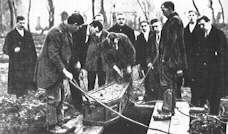
Detective Inspector Neil enlisted legendary Home Office pathologist Sir Bernard Spilsbury. Spilsbury requisitioned the original bathtubs from the murder scenes, staging pioneering dynamic experiments utilizing experienced female aquatic divers.
Spilsbury demonstrated that an adult woman could not drown accidentally in an enclosed tub without involuntary motor convulsions and thrashing. However, Spilsbury uncovered the precise mechanical vulnerability: by seizing a seated bather's ankles and sharply pulling them upward, the victim's head immediately submerged beneath water; the sudden, catastrophic influx of water through the nasopharynx induced immediate vagal shock and loss of consciousness, producing lethal drowning within seconds without leaving a single external bruise.
The Old Bailey Trial and Execution
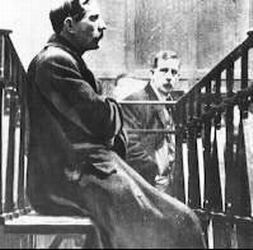
The trial opened in June 1915 at the Central Criminal Court (The Old Bailey) before Mr. Justice Scrutton. Under a landmark ruling, the court admitted "system evidence" (similar-fact evidence), allowing the Crown to present all three slayings together to prove deliberate design.
The jury returned a unanimous verdict of guilty of capital murder after twenty-two minutes.
On August 13, 1915, George Joseph Smith was hanged at HM Prison Maidstone by executioner John Ellis, sealing Sir Bernard Spilsbury's dynamic reconstructions as a cornerstone of 20th-century forensic pathology.