



Forensic & Criminological Matrix
| Parameter | Forensic Detail |
|---|---|
| Full Legal Name | Paula Rhonda Cooper. |
| Historical Jurisprudential Landmark | Sentenced to death in Indiana's electric chair at age 16 for a murder committed at age 15, becoming the youngest death row inmate in modern American history; catalyzed global diplomatic intervention including two million petition signatures from Europe, personal appeals by Pope John Paul II, and US Supreme Court doctrine banning executions of juvenile offenders under 16 (Thompson v. Oklahoma). |
| Criminological Classification | Violent juvenile offender / Aggravated felony-murder perpetrator. |
| Date of Crime | Tuesday, May 14, 1985. |
| Crime Scene | Residence in Gary, Lake County, Indiana (United States). |
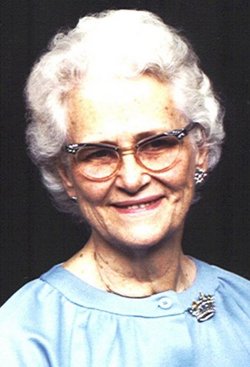
| Fatal Victim | Ruth Pelke (aged 78, beloved community Bible teacher and widow). |
| Co-defendants | Three teenage classmates who participated in the robbery (Karen Corder, April Beverly, and Denise Thomas). |
| Weapon Used | 12-inch butcher knife. |
| Motive | Armed home robbery to obtain recreational arcade funds, netting a total of $10 cash and the victim's car. |
| Penal Trajectory | Sentenced to death in July 1986; commuted to 60 years' imprisonment in 1989 by the Indiana Supreme Court; released on parole on June 17, 2013, after serving 26 years; died by self-inflicted gunshot wound on May 26, 2015, in Indianapolis at age 45. |
Introduction: The Girl on Death Row
On May 14, 1985, in the industrial city of Gary, Indiana, four teenage high school girls knocked on the front door of Ruth Pelke, a 78-year-old widow celebrated throughout the neighborhood for hosting Bible study sessions in her home. Welcomed inside with customary hospitality, Pelke turned to fetch religious pamphlets, only to be ambushed by fifteen-year-old Paula Cooper wielding a butcher knife.
When Judge James Kimbrough sentenced Cooper in 1986 to die in Indiana's electric chair, he ignited an unprecedented international firestorm. The image of a teenage girl facing execution galvanized human rights advocates, the Holy See, and millions of European citizens in an intense ethical confrontation over juvenile capital punishment in the United States.
Childhood Trauma and Marginality
Born in Gary in August 1969, Paula Rhonda Cooper experienced a childhood defined by extreme poverty and domestic violence. Both Paula and her sister were subjected to severe physical beatings by their father, who whipped them with electrical cords. In a moment of maternal despair, their mother attempted a murder-suicide by trapping her daughters in a running automobile inside a closed garage.
By age 14, alienated and lacking stable parental guardianship, Cooper was immersed in street gang culture in Gary, turning to alcohol, marijuana, and petty theft as mechanisms of survival and social validation.
The Slaying of Ruth Pelke
On the afternoon of May 14, 1985, having consumed marijuana and wine, Cooper suggested robbing the elderly Bible teacher who lived nearby to secure money for local video arcades:
- The four teenagers approached Ruth Pelke's home under the pretense of requesting Bible study lessons. Pelke invited them into her kitchen.
- As Pelke turned away, Cooper drew a 12-inch butcher knife from her waistband and forced the elderly woman to the floor.
- Cooper stabbed Pelke 33 times in the chest, torso, and throat, pinning her by her hair while her accomplices searched bedrooms. Cooper carved an inverted cross into the victim's flesh.
- Ransacking the residence yielded only $10 and the keys to Pelke's 1977 Plymouth, which the teens drove joyriding until their apprehension the following day.
Death Sentence and International Campaign
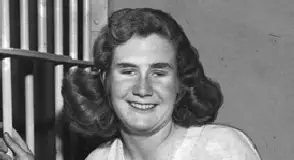
On July 11, 1986, Judge James Kimbrough sentenced Cooper to death, emphasizing the extreme brutality of the crime. At age 16, Cooper was the youngest person on death row in the United States.
The sentence triggered extraordinary international advocacy:
- In Italy, an anti-death-penalty campaign collected over two million petition signatures delivered to the United Nations and Indiana Governor Robert Orr.
- In September 1987, Pope John Paul II dispatched an official apostolic appeal urging clemency.
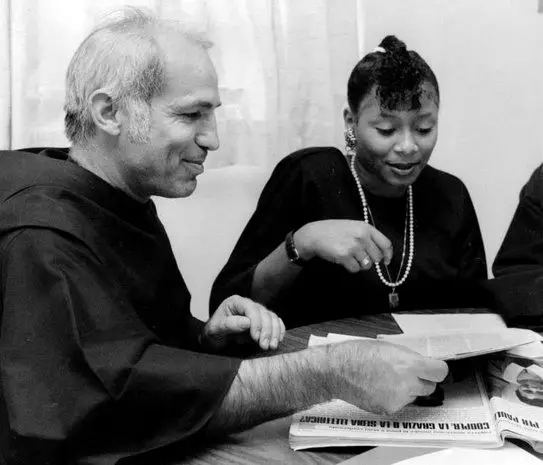
- In a profound act of grace, Bill Pelke, the victim's grandson, experienced a spiritual awakening. He publicly forgave Cooper, visited her regularly in prison, and founded the international organization Journey of Hope... from Violence to Healing, devoting his life to abolishing the death penalty worldwide.
Commutation, Freedom, and Tragic End
In 1988, the US Supreme Court ruled in Thompson v. Oklahoma that executing individuals for crimes committed under age sixteen violated the Eighth Amendment's prohibition of cruel and unusual punishment. Consequently, the Indiana General Assembly amended its death penalty statute, and in 1989 the Indiana Supreme Court commuted Cooper's sentence to 60 years' imprisonment.
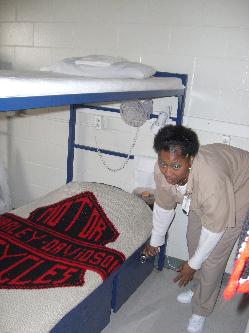
During her incarceration at Rockville Correctional Facility, Cooper achieved an exemplary rehabilitation record: she earned a college degree, worked as a certified veterinary assistant training service dogs, and tutored fellow inmates.
On June 17, 2013, Cooper walked free on parole at age 43 after serving 26 years. However, the psychological weight of her past, combined with post-incarceration adjustment difficulties, took a devastating toll. On the morning of May 26, 2015, Paula Cooper took her own life with a handgun in an Indianapolis park at the age of 45.