Forensic & Criminological Matrix
| Parameter | Forensic Detail |
|---|---|
| Forensic Heading / Aliases | Albert Taliaferro Patrick |
| Legal Identity | Albert Taliaferro Patrick |
| Confirmed Victims | 1 |
| Attributed / Indicted Victims | 1 |
| Active Timeline | 1900 |
| Jurisdiction / Area of Operations | New York, USA |
| Criminological Classification | Contract Killer / White-collar criminal |
| Forensic Modus Operandi | Administration of chloroform via saturated towels |
| Weapon / Mechanism of Death | Chloroform (chemical asphyxiation) |
| Motive / Behavioral Dynamics | Illicit enrichment through document forgery |
| Judicial Outcome | Death sentence (1902), commuted to life (1906), pardoned (1912) |
1. Background and Psychopathy
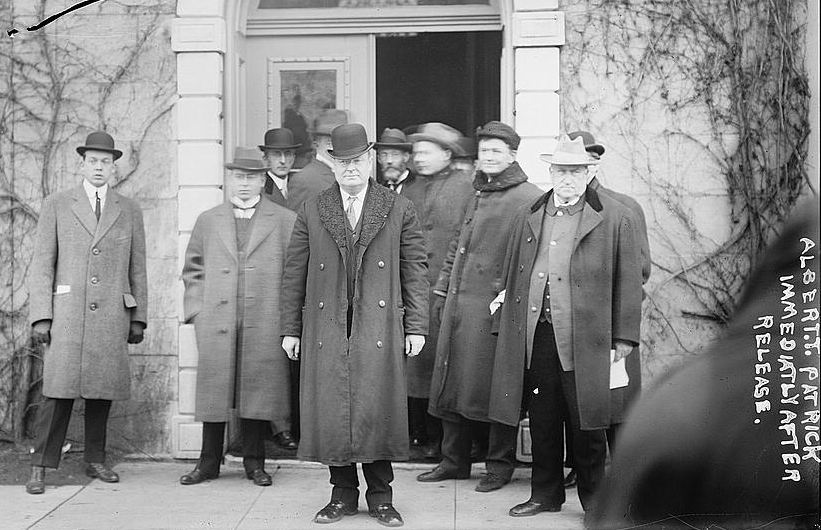
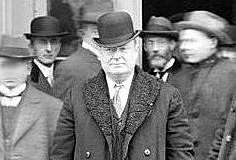
Born in Texas in 1865, Albert Taliaferro Patrick was a lawyer with a history of unethical conduct. He moved to New York in 1892 to escape disbarment proceedings. He was suspected of involvement in the death of his wife in 1896 and other suspicious financial deaths, though never convicted.
2. Crime Spree
Patrick conspired with Charles F. Jones, the valet of 84-year-old philanthropist William Marsh Rice, to murder the elderly man. On September 23, 1900, Jones suffocated Rice with chloroform-soaked towels to allow Patrick to execute a forged will and steal Rice's assets.
3. Investigation and Arrest
Suspicion arose when Patrick attempted to cash forged checks at Rice's bank. The bank's refusal and the subsequent investigation by Rice's Texas attorney, Captain Baker, exposed the conspiracy. Jones confessed after a failed suicide attempt and testified against Patrick.
4. Legal Proceedings and Outcome
Patrick's trial in 1902 was a landmark case regarding the uncertainty of medical evidence in murder trials. He was found guilty and sentenced to death. However, his wealthy family funded extensive appeals, leading to a commutation to life imprisonment in 1906 and a controversial pardon by Governor John A. Dix in 1912. Patrick died in 1940.