




Forensic & Criminological Matrix
| Parameter | Forensic Detail |
|---|---|
| Forensic Heading / Aliases | N/A |
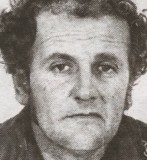
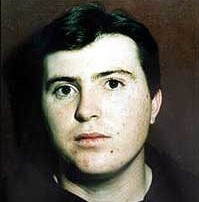
| Legal Identity | Paul Stephen Osborne |
| Confirmed Victims | 2 |
| Attributed / Indicted Victims | 2 |
| Active Timeline | 1985 - 1995 |
| Jurisdiction / Area of Operations | Queensland, Australia |
| Criminological Classification | Repeat sexual offender / Murderer |
| Forensic Modus Operandi | Abduction, sexual assault, and blunt force homicide |
| Weapon / Mechanism of Death | Tree branches / Blunt force trauma |
| Motive / Behavioral Dynamics | Substance-induced aggression and sexual pathology |
| Judicial Outcome | Two consecutive life sentences |
1. Background and Profile
Paul Stephen Osborne (born 1968) is a convicted Australian murderer with a documented history of sexual violence. In 1985, he was sentenced to six years in prison for the sexual assault and attempted strangulation of a 19-year-old woman in Brisbane, serving three years and ten months. His criminal profile is characterized by impulsive violence exacerbated by alcohol and cannabis abuse.
2. Crime Spree
On October 29, 1995, Osborne committed the rape and murder of 10-year-old Leanne Marie Oliver and 8-year-old Patricia Sophia Leedie at Warana Beach, Queensland. After consuming approximately 12 beers and smoking marijuana at a neighbor's barbecue, he encountered the girls on the beach. He proceeded to sexually assault and murder them, using tree branches to inflict fatal blunt force trauma. His arrest was facilitated by his own carelessness, as he left his wallet containing identification at the crime scene.
3. Investigation and Arrest
Police identified Osborne as the prime suspect immediately after discovering his wallet near the victims' bodies. During interrogation, Osborne initially denied involvement but eventually confessed, claiming he could not recall the specific details of the attack, citing a potential 'blackout' caused by his substance intake.
4. Legal Proceedings and Outcome
In February 1997, the Queensland Supreme Court sentenced Osborne to two life terms for the murders, plus 18 years for each rape. Justice Glen Williams stated that Osborne should never be released, citing the brutality of the crimes and his status as a repeat offender. The case remains a significant reference in Australian forensic history regarding the impact of substance abuse on violent recidivism.