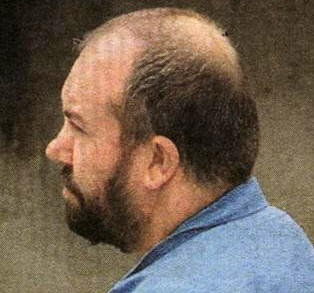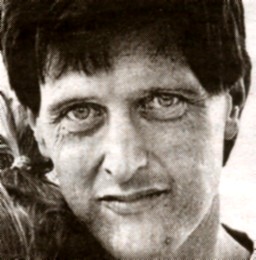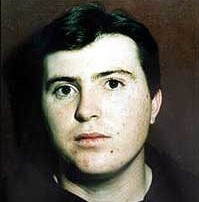
Forensic & Criminological Matrix
| Parameter | Forensic Detail |
|---|---|
| Forensic Heading / Aliases | The Frankston Serial Killer |
| Legal Identity | Paul Charles Denyer |
| Confirmed Victims | 3 |
| Attributed / Indicted Victims | 3 |
| Active Timeline | 1993 |
| Jurisdiction / Area of Operations | Frankston, Melbourne, Australia |
| Criminological Classification | Serial Killer |
| Forensic Modus Operandi | Stalking, surprise attack with bladed weapons, extreme brutality |
| Weapon / Mechanism of Death | Homemade knives |
| Motive / Behavioral Dynamics | Pathological misogyny and gender dysphoria |
| Judicial Outcome | Three consecutive life sentences |
1. Background and Profile
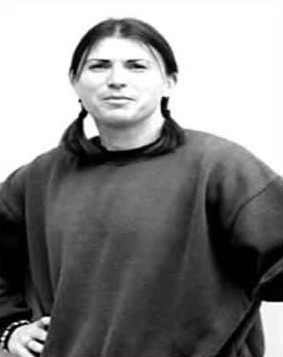
Paul Charles Denyer was born in 1972. From a young age, he exhibited signs of emotional instability and a fascination with violence. His psychological profile revealed a deep-seated aversion to women, which he later attempted to rationalize through claims of gender dysphoria, although forensic experts emphasized his inherent sadism and lack of empathy.
2. Criminal Career and Modus Operandi
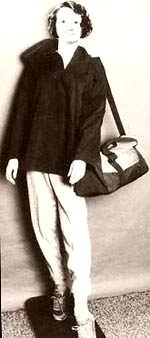
Between June and July 1993, Denyer terrorized the suburb of Frankston. His victims were Elizabeth Stevens (18), Debbie Fream (22), and Natalie Russell (17). His modus operandi involved stalking young women walking alone, then ambushing and murdering them with extreme violence using homemade knives.
3. Investigation and Arrest
Victoria Police launched one of the largest manhunts in the state's history. Forensic evidence, including fiber analysis and crime scene reconstruction, linked the three murders. Denyer was apprehended following intense interrogations, during which he confessed to the crimes.
4. Legal Proceedings and Outcome
Denyer was tried and found guilty of all three murders. In December 1993, he was sentenced to three consecutive life terms with a non-parole period of 30 years. The verdict brought closure to the Frankston community.
5. Psychiatric Evaluation and Aftermath
During his incarceration, Denyer has requested name changes and maintained erratic behavior. Psychiatric reports have consistently highlighted his ongoing danger and the predatory nature of his acts, effectively ruling out the possibility of rehabilitation.