



Forensic & Criminological Matrix
| Parameter | Forensic Detail |
|---|---|
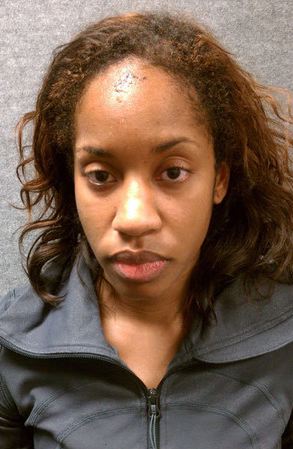
| Forensic Heading / Aliases | The Lululemon Killer |
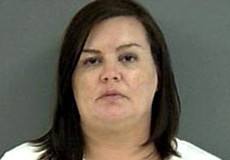
| Legal Identity | Brittany Norwood |
| Confirmed Victims | 1 (Jayna Troxel Murray) |
| Active Timeline | March 11, 2011 |
| Jurisdiction / Area of Operations | Bethesda, Maryland, United States |
| Criminological Classification | Homicidal offender with active crime scene staging |
| Forensic Modus Operandi | Extreme overkill using multiple weapons, inflicting over 330 wounds, followed by self-inflicted superficial injuries and a fabricated narrative of masked intruders |
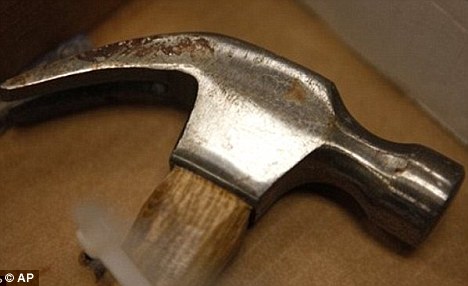
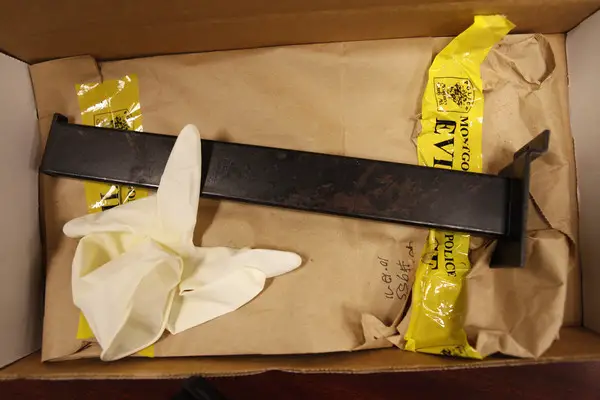
| Weapon / Mechanism of Death | Hammer, wrench, knife, and mannequin support pegs |
| Motive / Behavioral Dynamics | Workplace dispute triggered by the detection of merchandise theft |
| Judicial Outcome | Sentenced to life imprisonment without the possibility of parole (January 2012) |
1. Background and Psychopathy
Brittany Norwood had no prior criminal record and was recognized as an athletic individual, having played soccer in school and college. Employed at the Lululemon Athletica store in an affluent suburb of Bethesda, Maryland, her outward social presentation completely masked the violent capacity she later displayed during the workplace confrontation.
2. Crime Spree and Modus Operandi
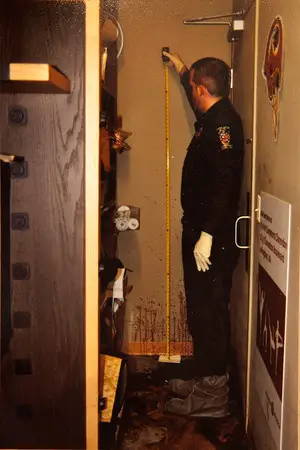
On the evening of March 11, 2011, following the closing of the store, Norwood confronted her coworker Jayna Troxel Murray over suspected shoplifting. The argument escalated into an unbridled, hyper-violent assault. Norwood utilized at least five distinct weapons available in the retail environment—including a hammer, a wrench, a knife, and a mannequin peg—inflicting upwards of 330 distinct blunt force and sharp force injuries that resulted in Murray's death.
3. Investigation and Forensic Pursuit
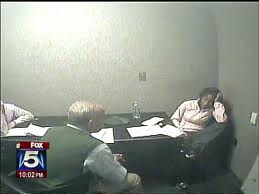
Attempting to evade detection, Norwood engaged in extensive crime scene staging. She tracked size-14 shoe impressions in blood to simulate an assault by large male intruders, bound her own hands and feet in a restroom, and inflicted superficial wounds on herself. Discovered the next morning in a state of feigned distress, she initially convinced investigators she was a survivor of a violent home invasion. However, forensic analysis dismantled her claims: neighboring workers reported hearing two voices arguing, DNA evidence linked Norwood to Murray's vehicle, and no external footprints were found. Norwood was arrested six days after the murder.
4. Legal Proceedings and Outcome
At her late 2011 trial, defense counsel conceded Norwood's physical involvement but argued for second-degree murder, claiming she acted in the heat of passion. Prosecutors successfully countered with evidence of premeditation and extreme brutality. The jury convicted Norwood of first-degree murder. In January 2012, Circuit Court Judge Robert Greenberg condemned her actions as cold-blooded and calculated, sentencing her to life imprisonment without the possibility of parole.
5. Psychiatric Evaluation and Conclusion
Judicial and investigative evaluations highlighted Norwood's persistent deception and lack of genuine remorse throughout the investigation and trial process. Her elaborate cover-up demonstrated a calculated effort to escape accountability, cementing her status as one of the most notorious offenders in Montgomery County's modern judicial history.