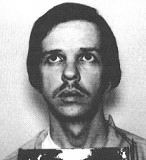
Forensic & Criminological Matrix
| Parameter | Forensic Detail |
|---|---|
| Forensic Heading / Aliases | None |
| Legal Identity | Tu Le Ngo |
| Confirmed Victims | 3 |
| Attributed / Indicted Victims | 3 |
| Active Timeline | July 29, 2002 |
| Jurisdiction / Area of Operations | Houston, Texas, USA |
| Criminological Classification | Murderer / Domestic Violence |
| Forensic Modus Operandi | Close-range firearm execution |
| Weapon / Mechanism of Death | Handgun |
| Motive / Behavioral Dynamics | Jealousy, marital conflict, and financial disputes |
| Judicial Outcome | Sentenced to three life terms in 2003 |
1. Background and Profile
Tu Le Ngo (born 1942) immigrated to the United States from Vietnam in 1990 with his wife, Kimtuyet Thi Le. They co-owned a restaurant in Houston. Their relationship was characterized by long-term instability; they had lived apart since 1997, and Kimtuyet had filed for divorce in 1999. The case highlights a pattern of possessive behavior and escalating marital conflict.
2. Crime Spree
On July 29, 2002, shortly before 5:00 PM, Ngo entered the Kim Vietnamese Restaurant. Following a dispute with customers regarding unpaid bills, he initiated a shooting. He fatally shot his wife, Kimtuyet Thi Le (56), and two customers, Polaris Nguyen (44) and Nuoi Vinh (50). Forensic evidence confirmed that all victims were shot at least twice in the head at close range.
3. Investigation and Arrest
Ngo surrendered to police officers upon their arrival at the scene, placing his weapon on the ground. He was taken into custody and processed by the Houston Police Department. The investigation confirmed the motive involved both marital jealousy and a confrontation over restaurant debts.
4. Legal Proceedings and Outcome
Ngo pleaded guilty to the murders. In 2003, he was sentenced to three consecutive life sentences. He remains incarcerated in the Texas prison system.
5. Forensic Conclusion
Despite claims from his daughter suggesting the shooting of his wife might have been accidental, the judicial findings and the nature of the execution-style killings led to a definitive conviction for murder.