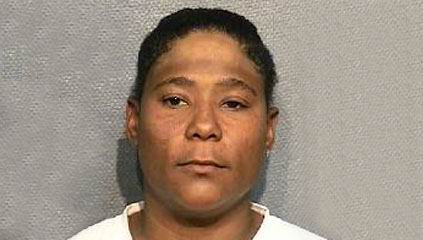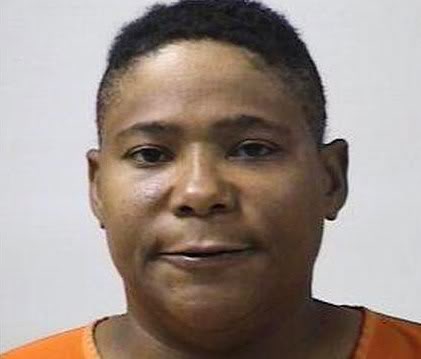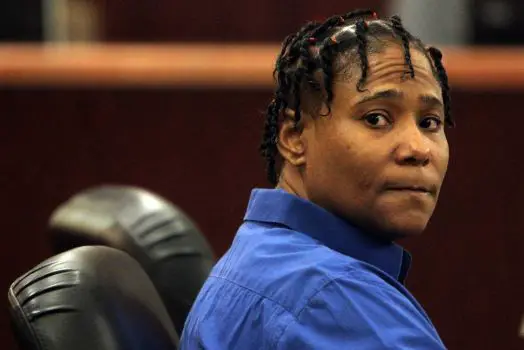





Forensic & Criminological Matrix
| Parameter | Forensic Detail |
|---|---|
| Forensic Heading / Aliases | Mona Nelson |
| Legal Identity | Mona Yvette Nelson |
| Confirmed Victims | 1 (Jonathan Paul Foster, 12) |
| Active Timeline | December 24, 2010 |
| Jurisdiction / Area of Operations | Houston, Texas, USA |
| Criminological Classification | Child Murderer / Capital Offender |
| Forensic Modus Operandi | Kidnapping, severe torture using extreme heat/blowtorch, incineration of the body, and disposal in a remote rural culvert to destroy forensic evidence. |
| Weapon / Mechanism of Death | Blowtorch / Blunt force and thermal trauma |
| Motive / Behavioral Dynamics | Unresolved / Undetermined rage or altercation without apparent rational provocation |
| Judicial Outcome | Sentenced to life imprisonment without the possibility of parole (August 2013) |
1. Background and Profile
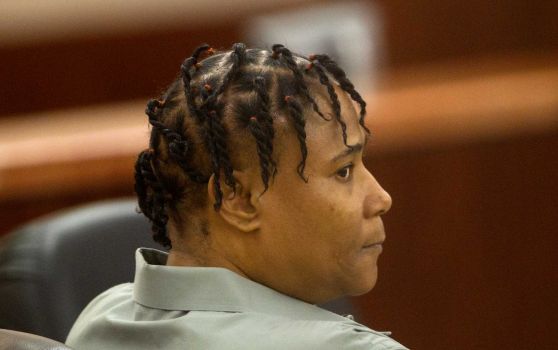
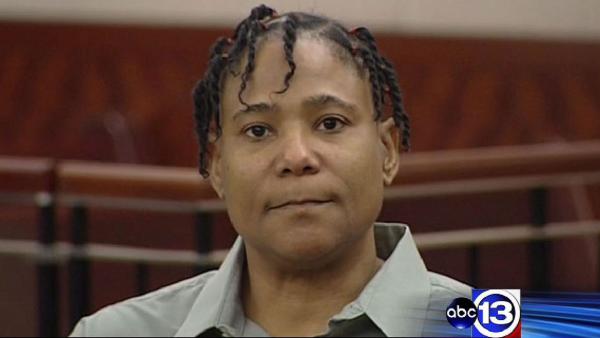
Mona Yvette Nelson was born in the 1960s and worked as a maintenance technician and welder in Houston, Texas. Her criminal record included an aggravated robbery conviction from 1984, resulting in a probation term that was later revoked in 1991, leading to a prison sentence until her parole in October 1994. Her subsequent criminal behavior demonstrated profound emotional detachment and coldness during law enforcement interrogations following the 2010 homicide.
2. Crime Spree
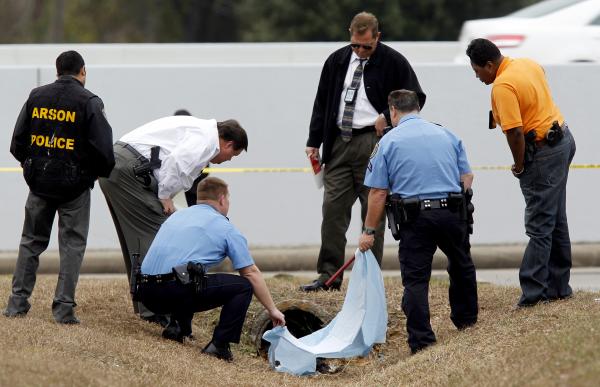
On Christmas Eve, December 24, 2010, 12-year-old Jonathan Paul Foster disappeared from his mother’s home in Houston. Nelson, acquainted with an associate of the household, abducted the child. Forensic evidence presented at trial established that the boy was subjected to extreme torture, including burns inflicted with a blowtorch. Nelson subsequently burned the body and transported it in her Ford F-150 pickup truck, dumping the remains in a drainage culvert in northeast Houston, where the charred body was discovered days later.
3. Investigation and Arrest
The investigation advanced significantly when surveillance footage from nearby commercial properties captured Nelson’s distinct Ford F-150 vehicle near the dumping site. FBI forensic scientists subsequently recovered Nelson's blood and DNA from the victim's Looney Tunes sweatshirt. Additionally, cadaver dogs alerted to burnt carpet fragments found in Nelson's trash, and cord matching the bindings used on the victim's hands was recovered during the execution of search warrants.
4. Legal Proceedings and Outcome
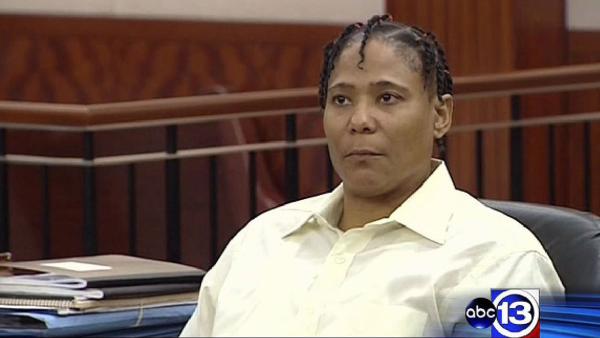
Mona Nelson was arrested within days of the discovery. Opting for a bench trial overseen by State District Judge Jeannine Barr rather than a jury trial, Nelson was found guilty of capital murder on August 27, 2013. Although prosecutors conceded they could not definitively prove a motive, and defense counsel argued that others might have been responsible, the overwhelming physical and DNA evidence proved decisive. The death penalty was not pursued, and Nelson was sentenced to life imprisonment without parole.
5. Psychiatric Assessment and Aftermath
Law enforcement personnel characterized Nelson as remarkably cold and remorseless upon initial detention. Throughout her trial, Nelson maintained her innocence, claiming she was merely instructed to discard a container without knowing a body was inside. The court firmly rejected these claims based on forensic proof. Nelson remains incarcerated within the Texas Department of Criminal Justice.