Forensic & Criminological Matrix
| Parameter | Forensic Detail |
|---|---|
| Forensic Heading / Aliases | The Saloon Killer |
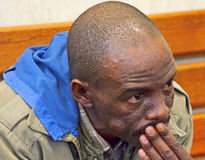
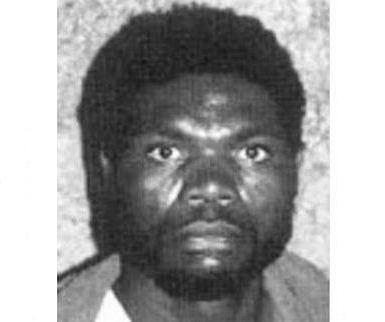
| Legal Identity | Velaphi Ndlangamandla |
| Confirmed Victims | 19 |
| Attributed / Indicted Victims | 19 |
| Active Timeline | April - September 1998 |
| Jurisdiction / Area of Operations | Mpumalanga, South Africa |
| Criminological Classification | Serial killer / Violent robber |
| Forensic Modus Operandi | Home invasions and armed robbery with a .22 caliber rifle |
| Weapon / Mechanism of Death | .22 caliber rifle |
| Motive / Behavioral Dynamics | Economic gain and instrumental violence |
| Judicial Outcome | Sentenced to 137 years in prison (September 2000) |
1. Background and Profile
Born in 1966, Velaphi Ndlangamandla became a notorious figure in Mpumalanga, South Africa, during 1998. His criminal profile is characterized by instrumental violence, where robbery and housebreaking frequently escalated into the homicide of the victims.
2. Crime Spree
Over a five-month period, Ndlangamandla engaged in a series of crimes involving a .22 caliber rifle. His modus operandi involved breaking into private residences, intimidating the occupants, and executing them during the commission of robberies. He was convicted of 19 counts of murder, along with multiple counts of attempted murder, robbery, housebreaking, and indecent assault.
3. Investigation and Arrest
The investigation was conducted by a specialized police task team in Mpumalanga. The team tracked the suspect through the Piet Retief area, eventually apprehending him at Phoswa village on September 10, 1998.
4. Legal Proceedings and Outcome
Ndlangamandla was tried before a circuit court in Piet Retief. In September 2000, he was sentenced to 137 years in prison for his crimes, which included illegal possession of firearms and ammunition. The provincial police commissioner praised the task team for their integrity and success in securing the conviction.
5. Forensic Assessment and Conclusion
Ndlangamandla's case remains a significant study in South African criminology regarding the prevalence of serial offenders during the late 1990s. He remains incarcerated.