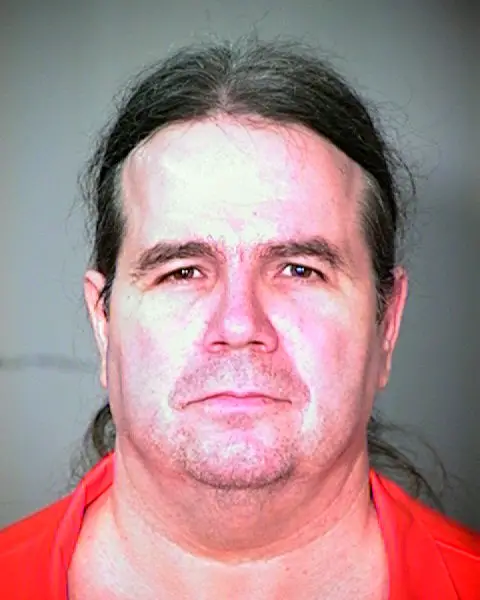
Forensic & Criminological Matrix
| Parameter | Forensic Detail |
|---|---|
| Forensic Heading / Aliases | N/A |
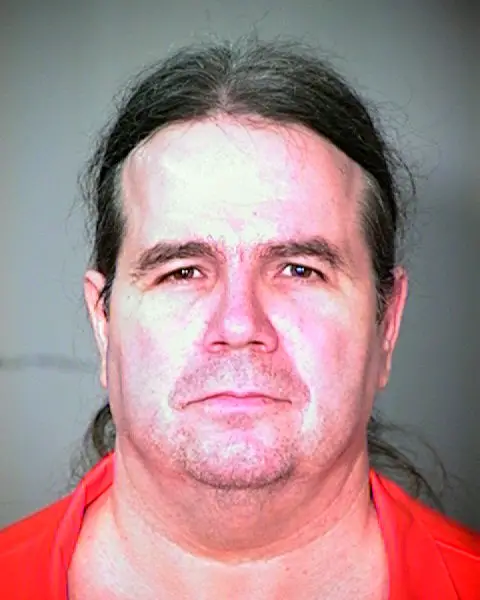
| Legal Identity | Michael Joe Murdaugh |
| Confirmed Victims | 2 |
| Attributed / Indicted Victims | 2 |
| Active Timeline | 1995 |
| Jurisdiction / Area of Operations | Arizona, USA |
| Criminological Classification | Multiple Murderer / Violent Psychopathy |
| Forensic Modus Operandi | Blunt force trauma (nylon bat, jackhammer spike), post-mortem dismemberment |
| Weapon / Mechanism of Death | Nylon bat, jackhammer spike, firearm (coercion) |
| Motive / Behavioral Dynamics | Paranoia, control, personality disorder |
| Judicial Outcome | Death sentence (2001) |
1. Background and Profile
Michael Joe Murdaugh (born January 9, 1954) is an American criminal whose violent spree occurred in 1995. Psychological evaluations highlighted chronic methamphetamine abuse, personality disorders, and paranoid ideation. Despite these factors, the court found him legally responsible for his calculated and heinous actions.
2. Crime Spree
In 1995, Murdaugh murdered Douglas Eggert after suspecting him of theft. He beat him to death with a nylon bat at the Central Arizona Project Canal. On June 26, 1995, he murdered David Reynolds. After holding Reynolds captive in a garage, he beat him to death with a nylon bat and a jackhammer spike. He subsequently dismembered the body, pulling out teeth and cutting off fingerpads before burying the remains in the forest.
3. Investigation and Arrest
Following the murder of Reynolds, Murdaugh went camping. He accidentally cut his leg while cleaning his horses' hooves and sought medical treatment at a local hospital, where he was identified and arrested by law enforcement.
4. Legal Proceedings and Outcome
Murdaugh pleaded guilty to both murders. The state used the Eggert conviction as an aggravating factor for the Reynolds case. On November 26, 2001, the judge sentenced him to death, citing the cruel and depraved nature of the crimes.