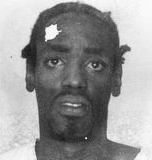
Forensic & Criminological Matrix
| Parameter | Forensic Detail |
|---|---|
| Forensic Heading / Aliases | null |
| Legal Identity | Thomas Otis Knight |
| Confirmed Victims | 3 |
| Attributed / Indicted Victims | 4 |
| Active Timeline | 1974-1980 |
| Jurisdiction / Area of Operations | Florida and Georgia, USA |
| Criminological Classification | Serial Killer / Fugitive |
| Forensic Modus Operandi | Kidnapping, summary execution, and prison homicide |
| Weapon / Mechanism of Death | Rifle, improvised shiv (sharpened spoon) |
| Motive / Behavioral Dynamics | Robbery, resentment, personality disorder |
| Judicial Outcome | Executed via lethal injection |
1. Background and Psychopathy
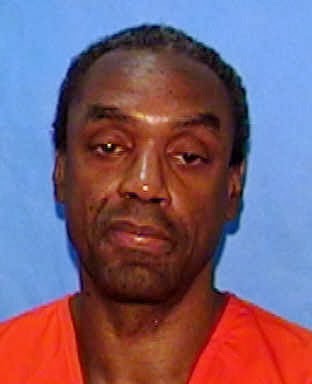
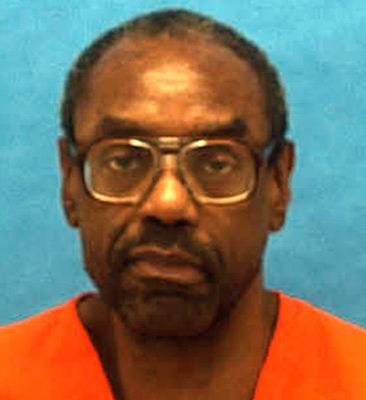
Thomas Otis Knight, who later adopted the name Askari Abdullah Muhammad, was a career criminal whose life was defined by extreme violence. His behavioral patterns indicated a deep-seated disregard for human life and institutional authority, leading to a decades-long legal battle within the Florida penal system.
2. Crime Spree
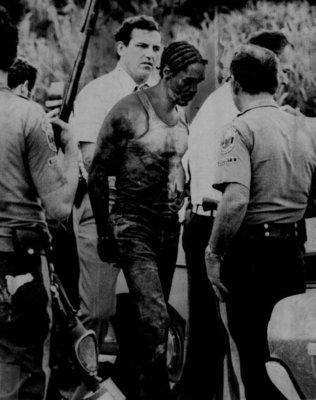
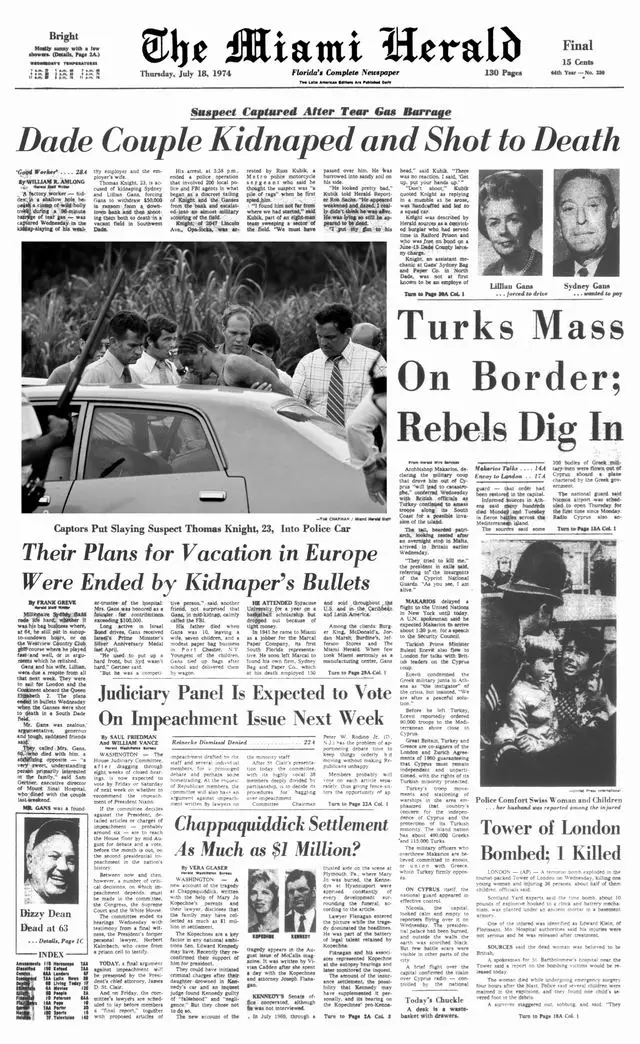
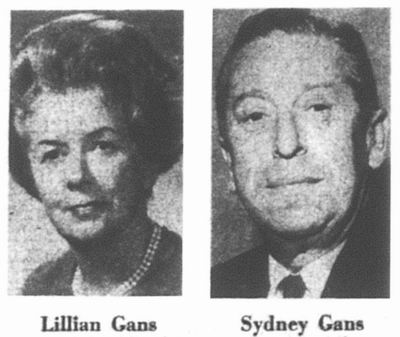
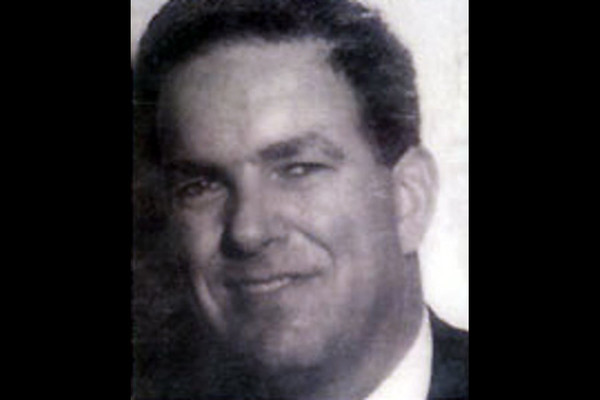
Knight's most notorious crimes began in 1974 with the kidnapping and execution-style murder of Sydney and Lillian Gans. Following his arrest, he escaped from the Dade County Jail, during which time he is believed to have committed a fatal robbery in Georgia. In 1980, while on death row, he murdered correctional officer Richard Burke.
3. Investigation and Arrest
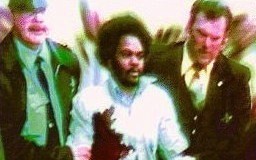
Law enforcement tracked Knight across multiple states following his 1974 jailbreak. He was eventually apprehended on New Year's Eve 1974 in New Smyrna Beach, Florida, in possession of stolen firearms. His subsequent trial for the Gans murders was a landmark case in Florida's legal history.
4. Legal Proceedings and Outcome
Knight's legal journey spanned 40 years, involving numerous appeals, death warrant signings, and resentencing hearings. His case became a focal point for debates regarding the efficiency and constitutionality of the death penalty in the United States. He was finally executed on January 7, 2014.