


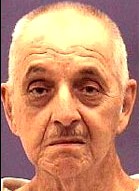
Forensic & Criminological Matrix
| Parameter | Forensic Detail |
|---|---|
| Forensic Heading / Aliases | None |
| Legal Identity | Leonardo Morita |
| Confirmed Victims | 5 |
| Attributed / Indicted Victims | 5 |
| Active Timeline | May 1995 |
| Jurisdiction / Area of Operations | San Marino, California, USA |
| Criminological Classification | Mass Murderer (Familicide) |
| Forensic Modus Operandi | Arson with accelerants (gasoline) |
| Weapon / Mechanism of Death | Fire / Explosion |
| Motive / Behavioral Dynamics | Financial gain (life insurance) |
| Judicial Outcome | Deceased prior to formal indictment |
1. Background and Profile
Leonardo Morita, 46, was an electrician employed at the Hyperion Sewage Treatment Plant in Los Angeles. He lived in the affluent suburb of San Marino with his wife, Lucy, their three sons, and a housekeeper. Despite the outward appearance of a stable family life, Morita was struggling with personal psychological stressors and financial issues, which led him to orchestrate a lethal scheme to collect on life insurance policies he had recently purchased.
2. Criminal Career and Modus Operandi
On May 29, 1995, at approximately 5:00 a.m., Morita set his home ablaze. He poured large quantities of gasoline on the staircase to prevent his family from escaping. The volume of fuel was so excessive that it leaked into the basement, where the water heater's pilot flame ignited it, causing a massive explosion. Forensic evidence suggested the victims were not in their beds, indicating they had attempted to flee the inferno.
3. Investigation and Arrest
San Marino Police and Fire Chief Frank J. Wills immediately identified the incident as arson. Evidence included gasoline cans from Morita's workplace, no signs of forced entry, and the deliberate obscuring of the house number on the curb. Morita was found outside the home with severe burns, having attempted to stage a botched robbery by breaking a kitchen window, during which he sustained a deep gash on his hand.
4. Legal Proceedings and Outcome
Authorities intended to file five counts of murder against Morita. However, he was hospitalized in critical condition at the County-USC Medical Center with second- and third-degree burns. He developed pneumonia and other complications, and after brain activity ceased, he was removed from life support on July 7, 1995. The case was effectively closed upon his death, leaving the community without a trial to answer for the incomprehensible nature of the crime.