Forensic & Criminological Matrix
| Parameter | Forensic Detail |
|---|---|
| Forensic Heading / Aliases | null |
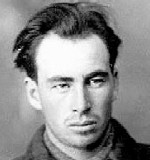
| Legal Identity | John F. Morgan |
| Confirmed Victims | 3 |
| Attributed / Indicted Victims | 3 |
| Active Timeline | 1897 |
| Jurisdiction / Area of Operations | Jackson County, West Virginia |
| Criminological Classification | Mass Murderer |
| Forensic Modus Operandi | Blunt force trauma (hatchet) |
| Weapon / Mechanism of Death | Hatchet |
| Motive / Behavioral Dynamics | Financial / Mental instability |
| Judicial Outcome | Executed by hanging |
1. Background and Profile
John F. Morgan was a shiftless individual from Jackson County, West Virginia, with a family history of violence; his father was a known criminal killed by law enforcement. Morgan had been living with the Pfost-Greene family for five years prior to the incident.
2. Crime Spree
On the night of November 3, 1897, Morgan attacked the Greene household. He killed the son at the hog pen with a hatchet, then entered the house to kill the two daughters and the mother, Chloe Greene. One daughter survived the initial assault and escaped to alert neighbors.
3. Investigation and Arrest
Morgan was captured on the afternoon of the crime, November 3, 1897. He was held in the Ripley jail, where he made several conflicting confessions and attempted a brief, unsuccessful escape using a dummy.
4. Legal Proceedings and Outcome
Due to the intense public outrage and the threat of lynching, Morgan was tried and convicted within a month. His insanity defense was rejected. He was sentenced to death by hanging.
5. Forensic Conclusion
On December 16, 1897, Morgan was executed in a public hanging in Ripley, attended by 5,000 spectators. It remains the last public execution in the history of West Virginia.