Forensic & Criminological Matrix
| Parameter | Forensic Detail |
|---|---|
| Forensic Heading / Aliases | Pegleg |
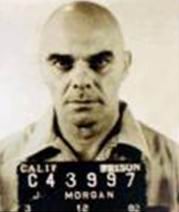
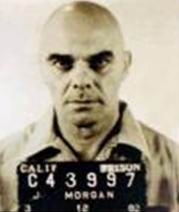
| Legal Identity | Joe Morgan |
| Confirmed Victims | 1 |
| Attributed / Indicted Victims | 1 |
| Active Timeline | 1946 - 1993 |
| Jurisdiction / Area of Operations | California, United States |
| Criminological Classification | Organized crime / Prison gang leader |
| Forensic Modus Operandi | Narcotics trafficking management and contract killing orchestration |
| Weapon / Mechanism of Death | Homicide, firearms, and organized violence |
| Motive / Behavioral Dynamics | Power and criminal control |
| Judicial Outcome | Deceased due to natural causes (cancer) in prison |
1. Background and Profile
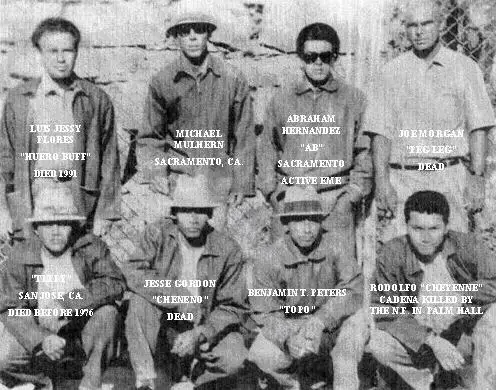
Joe Morgan was born on April 10, 1929, in San Pedro, California. Of Croatian descent, he was raised in a Hispanic neighborhood in Los Angeles, which facilitated his early entry into street gang culture. By the late 1930s, he was a member of the Maravilla gang, setting the stage for his future leadership within the Mexican Mafia.
2. Crime Spree
In 1946, at the age of 17, Morgan beat his girlfriend's husband to death and buried the body. Following a prison escape attempt, he became the youngest inmate ever sent to San Quentin State Prison. Throughout his life, he became a central figure in the Mexican Mafia, establishing narcotics distribution networks across California.
3. Investigation and Arrest
Morgan's criminal career was marked by multiple arrests, including a 1955 jailbreak from the Los Angeles County Jail and a 1976 arrest in Utah for firearms trafficking and heroin possession.
4. Legal Proceedings and Outcome
Morgan was a highly influential figure within the prison system. In 1992, he famously filed a lawsuit against the film American Me for its portrayal of his life and the Mexican Mafia. He died of liver cancer on November 9, 1993, while incarcerated at Corcoran Prison.