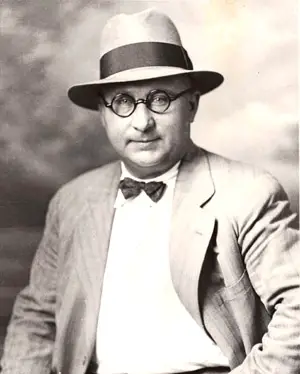
Forensic & Criminological Matrix
| Parameter | Forensic Detail |
|---|---|
| Forensic Heading / Aliases | Billy |
| Legal Identity | William Mitchell |
| Confirmed Victims | 2 |
| Attributed / Indicted Victims | 2 |
| Active Timeline | August 1974 |
| Jurisdiction / Area of Operations | Worth County, Georgia, USA |
| Criminological Classification | Multiple murderer / Violent offender |
| Forensic Modus Operandi | Armed robbery followed by confinement in walk-in coolers and summary execution |
| Weapon / Mechanism of Death | Firearm (pistol) |
| Motive / Behavioral Dynamics | Financial gain and sadistic violence |
| Judicial Outcome | Death penalty by electrocution |
1. Background and Psychopathy
William Mitchell, known as "Billy," was a career criminal whose life ended in the Georgia electric chair. His case became a significant legal precedent regarding the "abuse of the writ" doctrine in federal habeas corpus petitions. Post-conviction, his defense team attempted to introduce evidence of Post-Traumatic Stress Disorder (PTSD) stemming from his prior prison experiences, arguing it impaired his ability to understand the nature of his actions.
2. Crime Spree
On August 10, 1974, Mitchell murdered a 50-year-old man. The following morning, August 11, he entered IGA Store Number 13 in Worth County. After robbing the clerk, Peggy Carr, and her 14-year-old son, Christopher, he forced them into the store's walk-in cooler. He shot Christopher Carr in the chest and later in the back of the head. He shot Peggy Carr four times, but she survived to provide critical testimony against him.
3. Investigation and Arrest
Law enforcement quickly identified Mitchell as the perpetrator. The survival of Peggy Carr provided the prosecution with an eyewitness who could detail the cold-blooded nature of the crimes. Forensic evidence recovered from the scene and the defendant's subsequent confession solidified the state's case.
4. Legal Proceedings and Outcome
Mitchell pleaded guilty on November 4, 1974. Over the next decade, he filed numerous appeals, including claims of ineffective assistance of counsel and mental incompetence. All were rejected by the Georgia Supreme Court and federal courts. The U.S. Supreme Court ultimately denied his final stay of execution.
5. Psychiatric Evaluation and Final Disposition
Despite late-stage claims of brain dysfunction, the courts found Mitchell competent and responsible for his actions. He was executed on September 2, 1987. His final statement was a defiant remark directed at Wayne Snow, the chairman of the Georgia Board of Pardons and Paroles.