




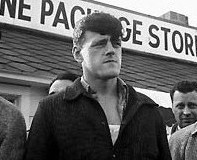
Forensic & Criminological Matrix
| Parameter | Forensic Detail |
|---|---|
| Forensic Heading / Aliases | null |
| Legal Identity | Alan Eugene Miller |
| Confirmed Victims | 3 |
| Attributed / Indicted Victims | 3 |
| Active Timeline | August 5, 1999 |
| Jurisdiction / Area of Operations | Pelham, Alabama, USA |
| Criminological Classification | Spree Killer |
| Forensic Modus Operandi | Targeted firearm execution in workplace settings |
| Weapon / Mechanism of Death | Handgun |
| Motive / Behavioral Dynamics | Paranoia, persecutory delusions, and workplace resentment |
| Judicial Outcome | Death sentence; executed via nitrogen hypoxia |
1. Background and Profile
Born in Chicago in 1965, Alan Eugene Miller was the middle child of seven. His developmental history included head injuries from childhood falls, which his mother claimed resulted in chronic headaches. After relocating to Alabama, Miller exhibited a withdrawn personality, characterized by social isolation and deep-seated paranoia. Former employers described him as a hard worker who kept to himself but had a history of aggressive outbursts when confronted.
2. Crime Spree
On the morning of August 5, 1999, Miller entered the Ferguson Enterprises building in Pelham, Alabama, with a handgun. He shot and killed Lee Holdbrooks and Scott Yancy. He then drove to his former workplace, Post Airgas, where he shot and killed assistant manager Terry Jarvis. Miller claimed the victims were spreading rumors about him, a belief investigators attributed to severe mental instability.
3. Investigation and Arrest
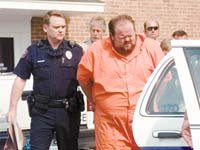
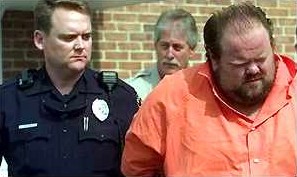
Police were alerted to the shootings at 7:04 a.m. Miller was spotted on Interstate 65 shortly thereafter. Following a high-speed chase, officers apprehended him after a brief struggle. The murder weapon was recovered from his vehicle, and forensic ballistics confirmed its use in all three homicides.
4. Legal Proceedings and Outcome
During his 2000 trial in Shelby County, defense attorneys argued that Miller suffered from a personality disorder and was not fully responsible for his actions. The jury rejected this, finding him guilty of capital murder and recommending the death penalty. Miller remained on death row for over two decades.
5. Execution and Forensic Significance
Alan Eugene Miller was executed on September 26, 2024, in Alabama. The execution was highly controversial as it was carried out using nitrogen hypoxia, a method that has sparked significant ethical and legal debate regarding the administration of the death penalty.