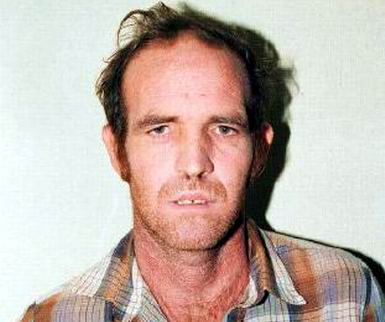



Forensic & Criminological Matrix
| Parameter | Forensic Detail |
|---|---|
| Forensic Heading / Aliases | The Scalp Collector |
| Legal Identity | Alexander Mengel |
| Confirmed Victims | 2 |
| Attributed / Indicted Victims | 2 |
| Active Timeline | February 1985 |
| Jurisdiction / Area of Operations | New York, USA; Ontario, Canada |
| Criminological Classification | Itinerant Serial Killer |
| Forensic Modus Operandi | Execution by firearm, post-mortem scalping |
| Weapon / Mechanism of Death | Handguns, shotgun, knife |
| Motive / Behavioral Dynamics | Psychopathy, criminal evasion |
| Judicial Outcome | Deceased during escape attempt from custody |
1. Background and Profile
Alexander Mengel was a Guyanese immigrant who arrived in the United States in 1976. Working as a tool and die maker, his life was marked by a singular recorded arrest for domestic violence in 1984. His transition into extreme violence in 1985 remains a subject of forensic study regarding rapid criminal escalation.
2. Crime Spree
On February 24, 1985, Mengel murdered Officer Gary Stymiloski during a routine traffic stop in Yonkers, New York. Following the shooting, he abducted Beverly Capone, an IBM employee, whom he murdered and scalped. He attempted to use the scalp as a disguise to cross the border into Canada. He was also linked to an attempted abduction of a 13-year-old girl in Skaneateles.
3. Investigation and Arrest
Authorities tracked Mengel to Toronto, Canada, where he was apprehended on March 2, 1985, after a high-speed chase. Forensic evidence found in his vehicle, including the victim's scalp and ballistics matching the officer's murder, solidified the case against him. Capone's remains were later recovered in the Catskills.
4. Legal Proceedings and Outcome
Mengel faced multiple murder charges in Westchester and Greene Counties. On April 26, 1985, while being transported by state police, he attempted a violent escape on the Taconic State Parkway. He managed to seize an officer's sidearm but was fatally shot by the police driver before he could discharge the weapon.
5. Forensic Conclusion
The case of Alex Mengel highlights the dangers of high-risk fugitive behavior. His use of ritualistic mutilation indicates a severe psychopathic profile. His death prevented a full trial, yet the forensic evidence provided a definitive link to his crimes.