




Forensic & Criminological Matrix
| Parameter | Forensic Detail |
|---|---|
| Forensic Heading / Aliases | Hiccup Girl |
| Legal Identity | Jennifer Ann Mee |
| Confirmed Victims | 1 (Shannon Griffin) |
| Active Timeline | 2010 |
| Jurisdiction / Area of Operations | St. Petersburg, Florida, United States |
| Criminological Classification | First-degree murder and armed robbery |
| Forensic Modus Operandi | Honey-trap setup to lure the victim into an ambush for robbery |
| Weapon / Mechanism of Death | Firearms (wielded by accomplices) |
| Motive / Behavioral Dynamics | Financial gain through robbery |
| Judicial Outcome | Convicted and sentenced to life imprisonment without parole in 2013 |
1. Background and Profile
Jennifer Ann Mee first gained national attention in the United States around 2007 due to an intractable case of chronic hiccups that lasted for weeks, earning her the moniker "Hiccup Girl." Her numerous appearances on major television morning shows transformed her into a temporary media darling. Following the cessation of her medical condition, however, she gravitated toward delinquent social circles in Florida.
2. Crime Spree
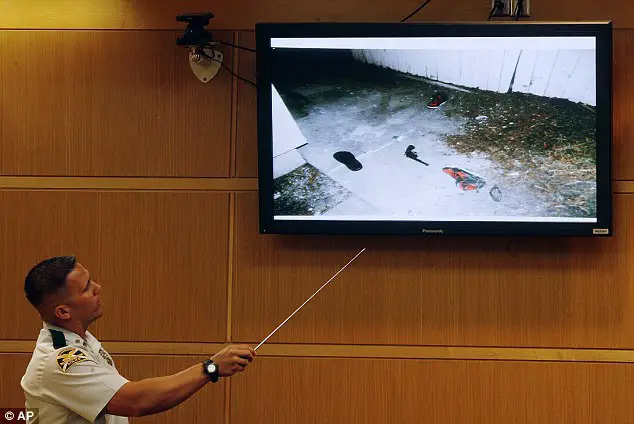
In 2010, Mee became involved with a local criminal faction. The established modus operandi utilized Mee's recognized face and persona to lure an acquaintance, Shannon Griffin, under the guise of an arranged drug transaction. Griffin was directed to an abandoned residence in St. Petersburg, where he was ambushed by Mee's accomplices with the intent to rob him.
3. Investigation and Arrest
Law enforcement launched an intensive investigation following the discovery of Griffin's body, who had sustained fatal gunshot wounds during the armed confrontation. Digital footprints, phone records, and witness statements quickly implicated Mee and her co-conspirators, leading to their swift apprehension by Florida authorities.
4. Legal Proceedings and Outcome
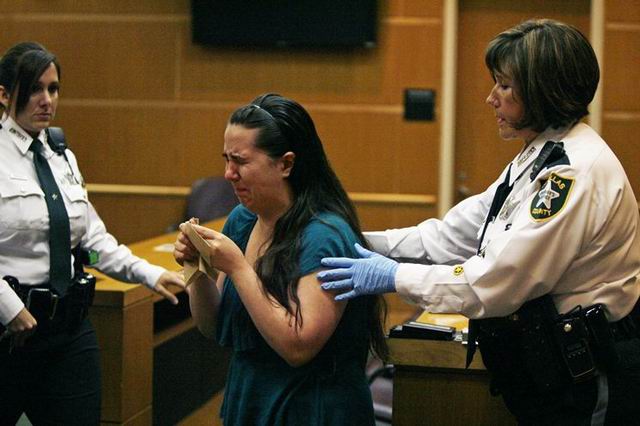
Jennifer Mee was arrested in 2010 and charged with first-degree murder under Florida's felony murder rule. During the 2013 trial, her defense counsel highlighted her history of neurological issues and psychological vulnerabilities. Nevertheless, the prosecution proved her active participation in planning the ambush. The jury returned a guilty verdict, resulting in a mandatory sentence of life imprisonment without parole.
5. Psychiatric Evaluation and Final Assessment
Forensic evaluations addressed Mee's neurological background and suggestible personality traits, yet confirmed her legal sanity and capacity to understand the criminality of her actions. Her trajectory remains a notable criminological case study regarding the destructive transition from sensationalized media exposure to violent crime.