Forensic & Criminological Matrix
| Parameter | Forensic Detail |
|---|---|
| Forensic Heading / Aliases | N/A |
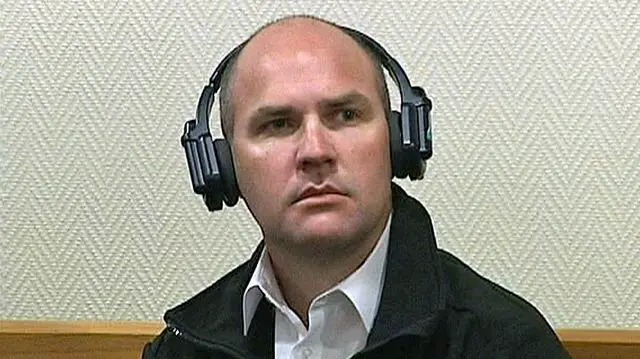
| Legal Identity | Jeremy George Edward McLaughlin |
| Confirmed Victims | 2 |
| Attributed / Indicted Victims | 2 |
| Active Timeline | 1995 - 2011 |
| Jurisdiction / Area of Operations | Perth, Australia / Christchurch, New Zealand |
| Criminological Classification | Violent Offender / Recidivist |
| Forensic Modus Operandi | Blunt force trauma, ligature strangulation, arson |
| Weapon / Mechanism of Death | Cricket bat, ligature, gasoline |
| Motive / Behavioral Dynamics | Revenge, theft, concealment |
| Judicial Outcome | Life imprisonment (2013) |
1. Background and Psychopathy
Jeremy George Edward McLaughlin is a recidivist criminal whose violent history spans two countries. Forensic reports describe him as self-focused, vengeful, and prone to blaming others for his actions, showing no signs of mental illness but a clear pattern of antisocial behavior.
2. Crime Spree
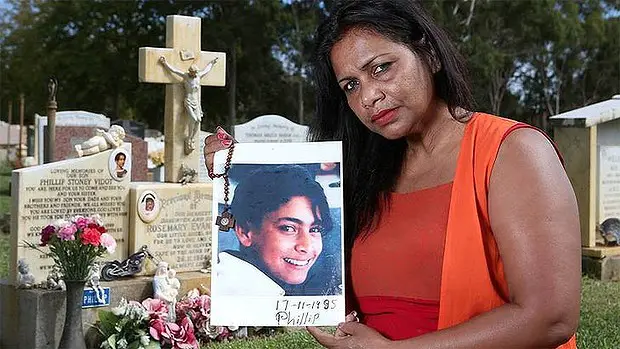
In 1995, McLaughlin was involved in the killing of Phillip Vidot in Perth, Australia, using a cricket bat. In 2011, he murdered 13-year-old Jade Bayliss in Christchurch, New Zealand, after breaking into her home. He strangled the victim and set the house on fire to destroy evidence.
3. Investigation and Arrest
Police investigation in the Bayliss case relied on DNA evidence found under the victim's fingernails and surveillance footage. His attempts to deflect blame onto an accomplice were dismantled by forensic evidence and witness testimony.
4. Legal Proceedings and Outcome
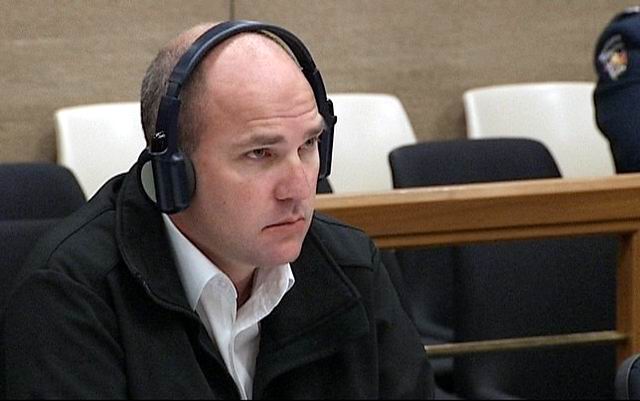
McLaughlin was convicted in the High Court at Christchurch. In October 2013, he was sentenced to life imprisonment with a 23-year non-parole period. The judge noted his lack of remorse and the brutal nature of his crimes.
5. Psychiatric Evaluation and Conclusion
Psychiatric reports assessed him as a high-risk offender. His continued denial of the murders has been cited as a major barrier to any potential rehabilitation.