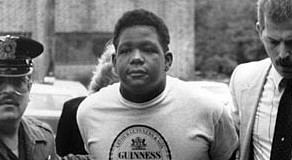
Forensic & Criminological Matrix
| Parameter | Forensic Detail |
|---|---|
| Forensic Heading / Aliases | None |
| Legal Identity | Edward George McGregor |
| Confirmed Victims | 1 |
| Attributed / Indicted Victims | 4 |
| Active Timeline | 1990 - 2006 |
| Jurisdiction / Area of Operations | Missouri City and Houston, Texas |
| Criminological Classification | Serial Killer |
| Forensic Modus Operandi | Strangulation, sexual assault, posing bodies in bathtubs |
| Weapon / Mechanism of Death | Strangulation, physical force, firearm |
| Motive / Behavioral Dynamics | Sexual predation and interpersonal violence |
| Judicial Outcome | Life imprisonment |
1. Background and Profile
Edward George McGregor (born March 29, 1973) was a UPS delivery driver who operated within the Greater Houston area. His criminal profile is defined by a long-term pattern of sexual predation against women in his immediate vicinity. Despite maintaining a facade of normalcy, forensic evidence eventually exposed his role in a series of brutal homicides spanning over a decade.
2. Criminal Career and Modus Operandi
McGregor's criminal activity began in 1990 with the murder of his 38-year-old neighbor, Kim Wildman. The victim's 911 call provided chilling evidence of the attack. Later crimes, including the 1994 murder of Edwina Latriss Barnum and the 2005-2006 murders of Danielle Subjects and Mandy Rubin, demonstrated a signature of strangulation and the deliberate posing of victims in bathtubs, indicating a highly predatory and organized behavioral pattern.
3. Investigation and Arrest
Following the murder of Mandy Rubin in 2006, Houston police conducted widespread DNA sampling of associates. McGregor's voluntary submission led to a breakthrough, as his DNA was matched to the 1990 crime scene of Kim Wildman. This forensic link provided the probable cause for his arrest on May 1, 2006, while he was working as a delivery driver.
4. Legal Proceedings and Outcome
McGregor was convicted in 2010 for the murder of Kim Wildman. His defense team attempted to explain the DNA evidence by claiming a consensual relationship, but the jury rejected this narrative. He was sentenced to life in prison. Authorities continue to investigate his potential involvement in other unsolved cases across Texas and other states where he resided.
5. Forensic Conclusion
The McGregor case remains a significant example of cold-case resolution through modern DNA technology. Despite his conviction for one murder, the forensic evidence and behavioral similarities in the deaths of other women in the Houston area strongly suggest a serial offender who successfully evaded detection for over 16 years.