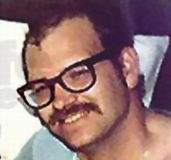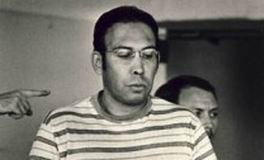



Forensic & Criminological Matrix
| Parameter | Forensic Detail |
|---|---|
| Forensic Heading / Aliases | Gary McGivern |
| Legal Identity | Gerald Gary McGivern |
| Confirmed Victims | 1 |
| Attributed / Indicted Victims | 1 |
| Active Timeline | 1968 |
| Jurisdiction / Area of Operations | Ulster County, New York |
| Criminological Classification | Murderer / Recidivist felon |
| Forensic Modus Operandi | Seizure of service weapon during transport and use of lethal force |
| Weapon / Mechanism of Death | Firearm (service pistol) |
| Motive / Behavioral Dynamics | Escape attempt from state custody |
| Judicial Outcome | Sentenced to 25 years to life (1975); granted clemency in 1985 |
1. Background and Profile
Gerald Gary McGivern was born in Manhattan on October 26, 1944. After serving in the U.S. Navy, he became involved in criminal activities, leading to a 1966 armed robbery conviction in Pelham Manor, New York, alongside Charles Culhane. He was serving a ten-to-twenty-year sentence at the time of the 1968 incident.
2. Crime Spree
On September 13, 1968, while being transported by two deputies from Auburn Prison to a court hearing, McGivern, Culhane, and Robert Bowerman attempted to escape. During the struggle inside the vehicle on the New York State Thruway, Deputy William Fitzgerald and Bowerman were fatally shot. McGivern and Culhane maintained that Bowerman was the sole perpetrator of the shooting.
3. Investigation and Arrest
The investigation was criticized for the lack of forensic evidence, specifically the failure to conduct fingerprint testing on the weapons. The prosecution relied heavily on the testimony of the surviving deputy, Joseph Singer, which was later challenged during appeals due to significant inconsistencies.
4. Legal Proceedings and Outcome
The case underwent three separate trials. The second trial resulted in a death sentence, which was overturned in 1973 by the New York State Court of Appeals due to juror bias. In 1975, a third trial resulted in a conviction of 25 years to life. The case gained national attention, eventually leading to executive clemency granted by Governor Mario Cuomo in 1985.
5. Final Disposition
McGivern was paroled in 1989 after serving 22 years. He was briefly returned to prison in 1994 for a parole violation related to drug possession. He died of cancer in 2001.