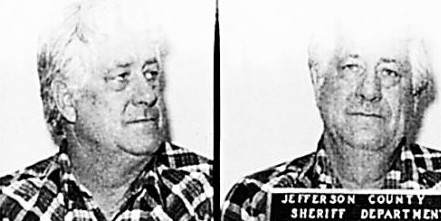
Forensic & Criminological Matrix
| Parameter | Forensic Detail |
|---|---|
| Forensic Heading / Aliases | N/A |
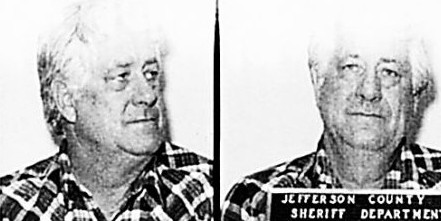
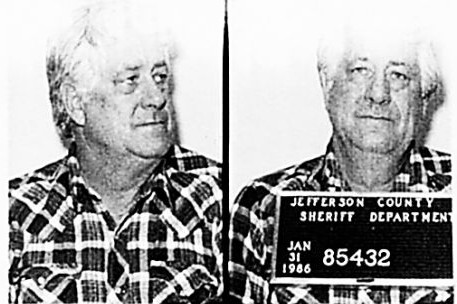
| Legal Identity | Thomas McCormick |
| Confirmed Victims | 0 (unconvicted) |
| Attributed / Indicted Victims | 12 (estimated) |
| Active Timeline | 1975-1983 |
| Jurisdiction / Area of Operations | Kit Carson County, Colorado |
| Criminological Classification | Serial Killer / Predator of vulnerable individuals |
| Forensic Modus Operandi | Recruitment of transients, labor exploitation, and summary execution |
| Weapon / Mechanism of Death | Gunshot (shotgun/pistol), strangulation, hammer |
| Motive / Behavioral Dynamics | Financial gain and witness elimination |
| Judicial Outcome | Case closed due to suspect's death |
1. Background and Profile
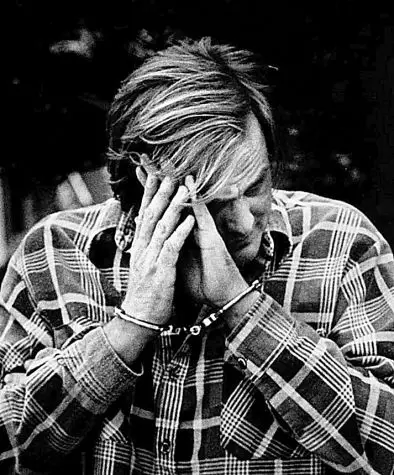
Thomas McCormick owned a 2,900-acre ranch in Kit Carson County, Colorado. Known for his antisocial behavior, he avoided local contact and recruited labor from Denver missions. Following financial collapse in 1980, he engaged in a vehicle theft ring with his son, Michael.
2. Crime Spree
McCormick allegedly recruited vulnerable men, promising them work, only to murder them when payment was due or when they threatened to report labor violations. The victims were buried across the vast ranch property.
3. Investigation and Arrest
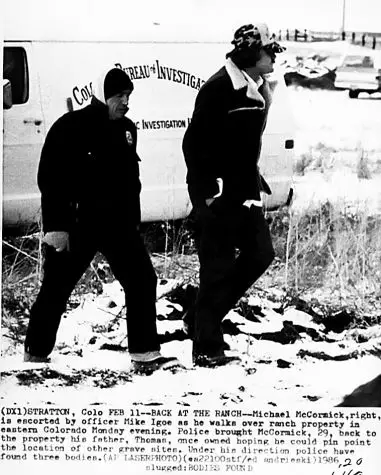
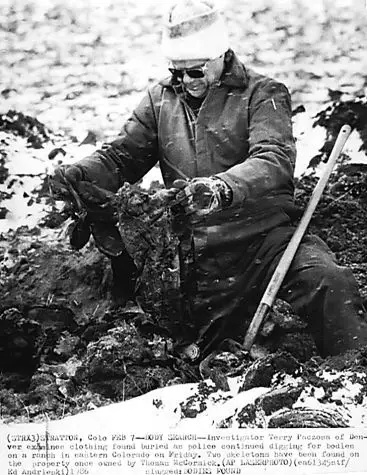
The investigation was triggered by the 1983 disappearance of Herbert Donoho. In 1986, Michael McCormick confessed to the location of Donoho's body and three other victims on the ranch in exchange for a plea deal. Budgetary constraints halted further forensic excavations.
4. Legal Proceedings and Outcome
Thomas McCormick was never convicted. Prosecutors deemed the evidence insufficient after Michael McCormick's credibility was challenged during his own murder trial. Thomas died in 1997, leaving the case largely unresolved.
5. Forensic Conclusion
Recent efforts by investigators like Linda Holloway have sought to identify remains and re-examine the site, highlighting the systemic failure to investigate the deaths of marginalized individuals who were treated as disposable.