



Forensic & Criminological Matrix
| Parameter | Forensic Detail |
|---|---|
| Forensic Heading / Aliases | None recorded |
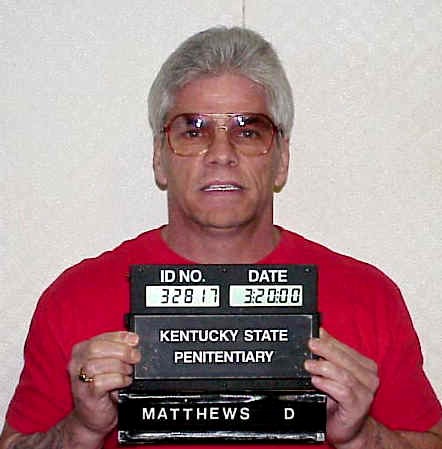
| Legal Identity | David Eugene Matthews |
| Confirmed Victims | 2 |
| Attributed / Indicted Victims | 2 |
| Active Timeline | June 29, 1981 |
| Jurisdiction / Area of Operations | Louisville, Kentucky, USA |
| Criminological Classification | Murderer / Familicide (by affinity) |
| Forensic Modus Operandi | Home invasion and execution by firearm |
| Weapon / Mechanism of Death | Firearm (gunshot to the back of the head) |
| Motive / Behavioral Dynamics | Marital conflict and extreme emotional disturbance |
| Judicial Outcome | Sentenced to death on November 11, 1982; subject to federal appeals |
1. Background and Profile
David Eugene Matthews, born September 6, 1948, became the subject of a high-profile murder case in Kentucky. His criminal behavior was rooted in a volatile domestic situation involving his estranged wife, Mary "Marlene" Matthews, and his mother-in-law, Magdalene Cruse.
2. Crime Spree
On June 29, 1981, Matthews burglarized his wife's home in Jefferson County. During the commission of the crime, he executed his mother-in-law, Magdalene Cruse, by shooting her in the back of the head. Forensic reports indicated that Cruse suffered for eight hours before succumbing to her injuries. He also murdered his wife, Mary Matthews, during the same incident.
3. Investigation and Arrest
Law enforcement officials in Jefferson County successfully apprehended Matthews. The evidence presented at trial was deemed substantial, and his perpetration of the acts was never in doubt during subsequent federal reviews.
4. Legal Proceedings and Outcome
Matthews was convicted on October 8, 1982, and sentenced to death on November 11, 1982. The case has faced significant legal scrutiny regarding the "extreme emotional disturbance" (EED) defense. In 2008, U.S. Magistrate James D. Moyer recommended a new trial, citing that the original court failed to properly instruct the jury on the EED defense and that the prosecution failed to provide expert testimony to rebut Matthews' claims.
5. Psychiatric Evaluation and Status
The legal status of the case remains complex due to ongoing constitutional challenges. While the evidence of his guilt is considered clear, the procedural handling of his mental state at the time of the crime has kept the case in the federal court system for decades.