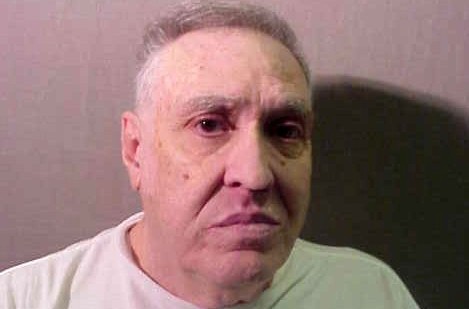





Forensic & Criminological Matrix
| Parameter | Forensic Detail |
|---|---|
| Forensic Heading / Aliases | Tony |
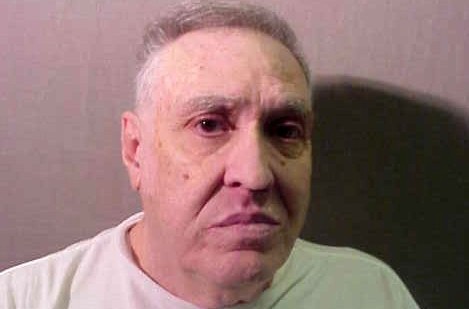
| Legal Identity | John Martini Sr. |
| Confirmed Victims | 4 |
| Attributed / Indicted Victims | 6 |
| Active Timeline | 1977 - 1989 |
| Jurisdiction / Area of Operations | New Jersey, Arizona, Pennsylvania (USA) |
| Criminological Classification | Serial Killer / Kidnapper |
| Forensic Modus Operandi | Execution-style shootings following extortionate kidnapping |
| Weapon / Mechanism of Death | Firearm (close-range shots) |
| Motive / Behavioral Dynamics | Profit, extortion, and interpersonal violence |
| Judicial Outcome | Death sentence (New Jersey) and concurrent sentences in Arizona and Pennsylvania |
1. Background and Profile
John Martini Sr. was a career criminal whose activities spanned several decades. Born in 1930, he maintained a dual life as an FBI informant while committing various felonies. His criminal history was characterized by a lack of remorse and a high degree of tactical planning, often utilizing aliases to move between states.
2. Crime Spree
Martini's violent trajectory included the 1977 murder of Anna Mary "Paulie" Duvall. In 1987, he was linked to the unsolved murders of his aunt and her husband. In 1988, he killed Teresa Marie Dempster and David Richard Uhl in Arizona. His final major crime was the 1989 kidnapping and execution of Irving Flax in New Jersey, despite the victim's family paying a portion of the ransom.
3. Investigation and Arrest
Following the kidnapping of Irving Flax, the FBI tracked the ransom drop at a diner in Paramus. Although Martini initially evaded capture, he was apprehended two days later at a motel in Fort Lee, New Jersey, alongside his accomplice, Therese Afdahl, with the ransom money and a firearm in his possession.
4. Legal Proceedings and Outcome
Martini faced multiple trials across different states. He was sentenced to death in New Jersey in 1990. In Arizona, he pleaded guilty to the Dempster-Uhl murders to avoid the death penalty, receiving a 50-year sentence. He was later convicted in Philadelphia for the 1977 murder of Duvall. Throughout his incarceration, he exhibited volatile behavior, including escape attempts.
5. Psychiatric Assessment and Final Disposition
For years, Martini expressed a desire to be executed, citing the intolerability of prison life. He later reversed this decision following counseling. He remained incarcerated until his death from natural causes at the New Jersey State Prison on September 10, 2009.