



Forensic & Criminological Matrix
| Parameter | Forensic Detail |
|---|---|
| Forensic Heading / Aliases | None |
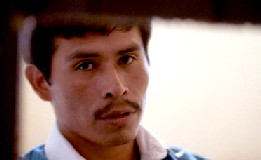
| Legal Identity | Manuel Martínez Coronado |
| Confirmed Victims | 7 |
| Attributed / Indicted Victims | 7 |
| Active Timeline | 1995 |
| Jurisdiction / Area of Operations | Chiquimula, Guatemala |
| Criminological Classification | Mass Murderer |
| Forensic Modus Operandi | Shooting |
| Weapon / Mechanism of Death | Firearm |
| Motive / Behavioral Dynamics | Land and agrarian dispute |
| Judicial Outcome | Death penalty by lethal injection (executed) |
1. Background and Profile
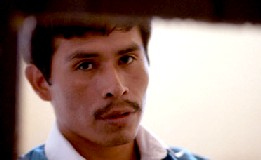
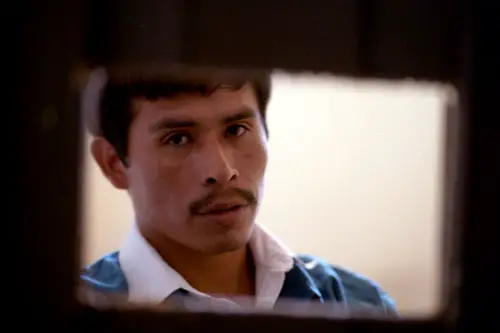
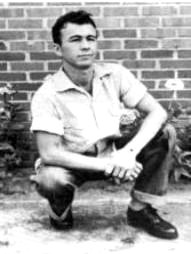
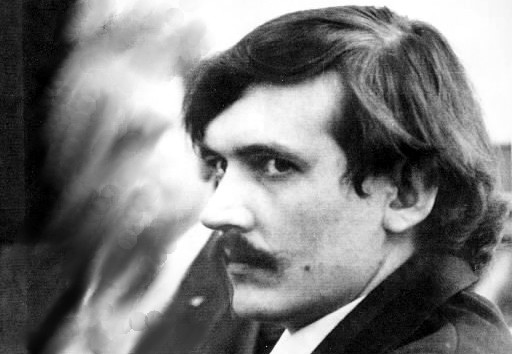
Manuel Martínez Coronado was a Guatemalan farmer born in 1955. His criminological profile is rooted in rural violence stemming from land ownership conflicts, a recurring issue in certain regions of Guatemala. No significant criminal record was documented prior to the 1995 incident.
2. Crime Spree
On May 17, 1995, Martínez Coronado murdered seven members of the Arias family in Chiquimula. The victims included Juan Bautista Arias (58), his wife Rosalbina Miguel, and their children Francias (12), Jovita (8), Arnoldo (5), and Aníbal (2), as well as Juan's sister, Emilia Arias (68). The method was a shooting, carried out in an act of extreme violence motivated by a land dispute.
3. Investigation and Arrest
Following the discovery of the bodies, Guatemalan authorities launched an investigation that quickly led to the arrest of Martínez Coronado. Although Amnesty International later claimed that evidence suggested his stepfather might have been the actual perpetrator, the evidence presented in court was sufficient to uphold the charges against Coronado.
4. Legal Proceedings and Outcome
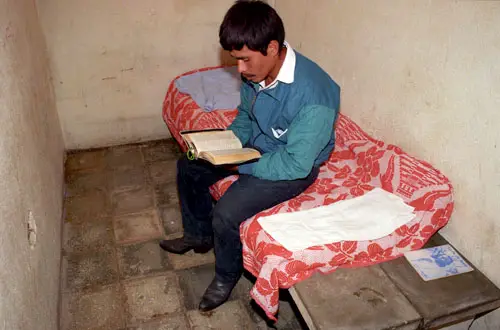
Martínez Coronado was tried and sentenced to death. Despite intense pressure and pleas for clemency from international human rights organizations, the Guatemalan authorities upheld the verdict.
5. Execution and Aftermath
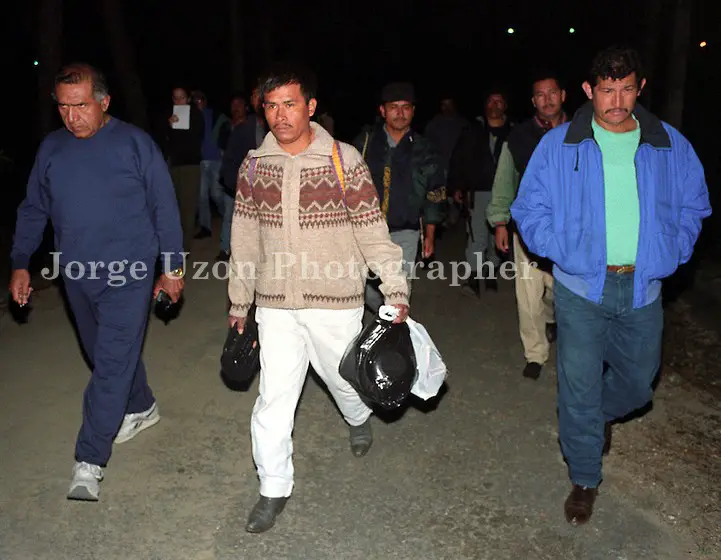
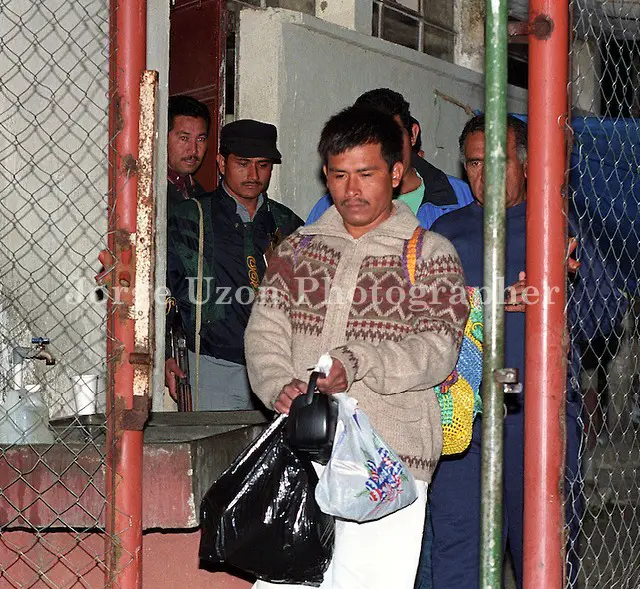
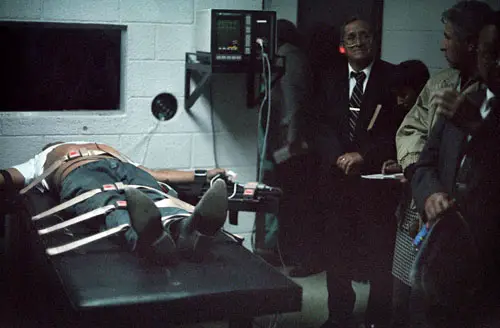
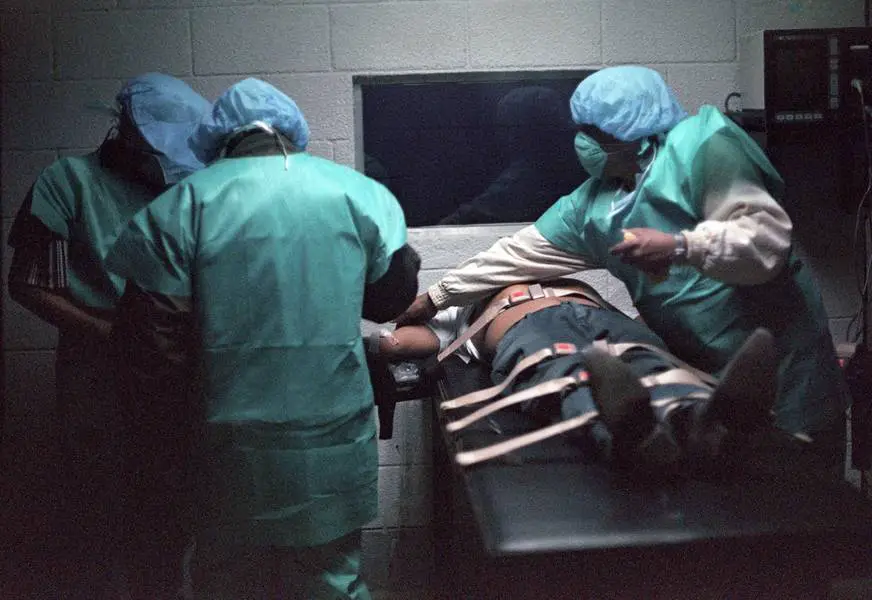
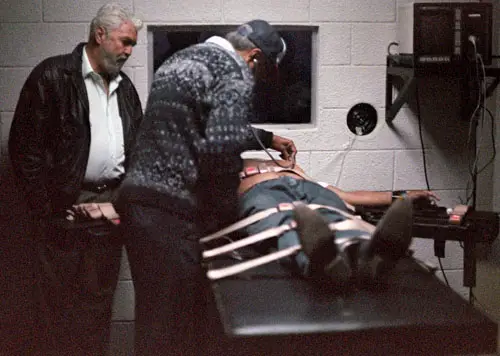
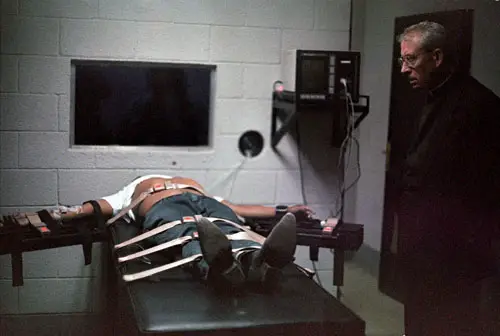
On February 10, 1998, Manuel Martínez Coronado became the first inmate in Guatemala to be executed by lethal injection. The execution, carried out at the Pavón Penal Farm, was broadcast live on television, sparking significant ethical controversy. The process took eighteen minutes until death was confirmed. Amnesty International criticized the involvement of medical personnel in the execution as a breach of medical ethics.