



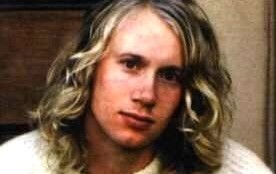
Forensic & Criminological Matrix
| Parameter | Forensic Detail |
|---|---|
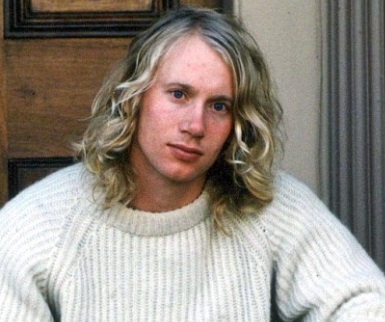
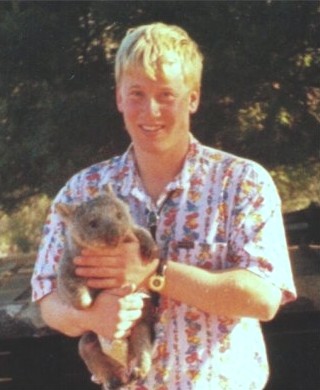
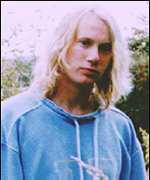
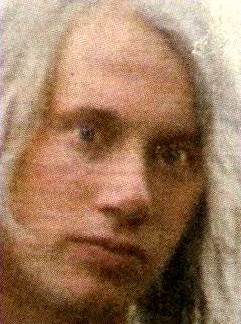
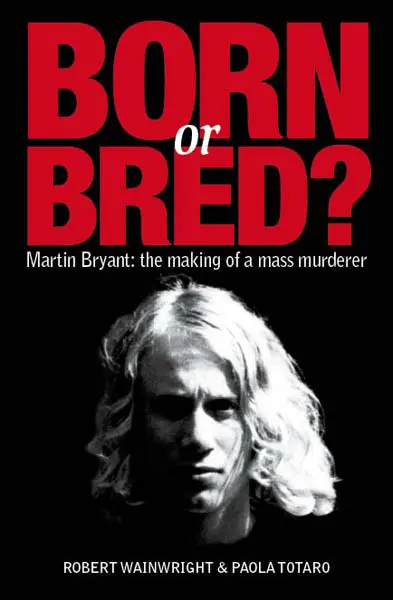
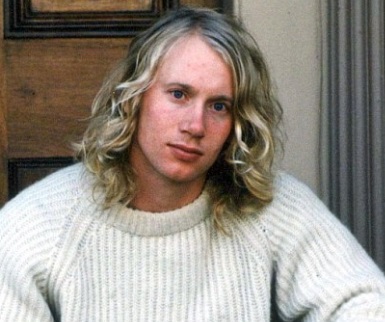
| Full Legal Name | Martin John Bryant. |
| Historic Milestone | Perpetrator of the deadliest mass shooting in modern Australian history (prompting the landmark 1996 National Firearms Agreement). |
| Criminological Typology | Indiscriminate mass public shooter / Autistic-spectrum psychopathic rage / Spree killer. |
| Dates of Crime | April 28–29, 1996. |
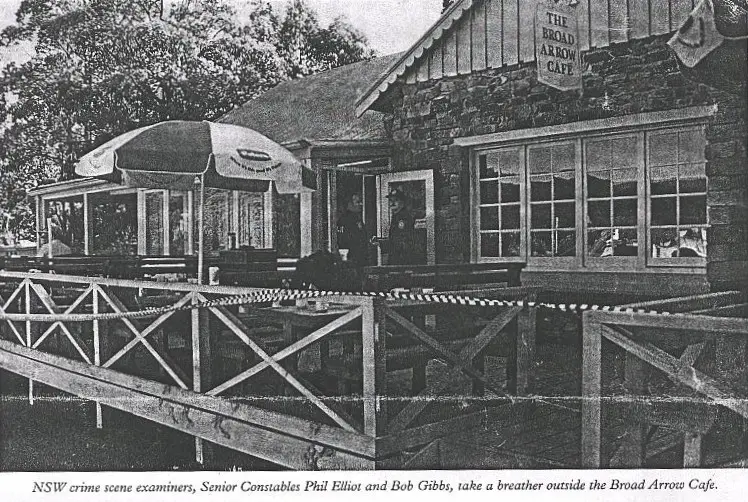
| Crime Scenes | Broad Arrow Café and grounds of Port Arthur Historic Site, and Seascape Cottage, Tasmania, Australia. |
| Fatal Casualties | 35 people slain (including infants aged 3 and 6, tourists, and staff); 23 others severely wounded by high-velocity rifle fire. |
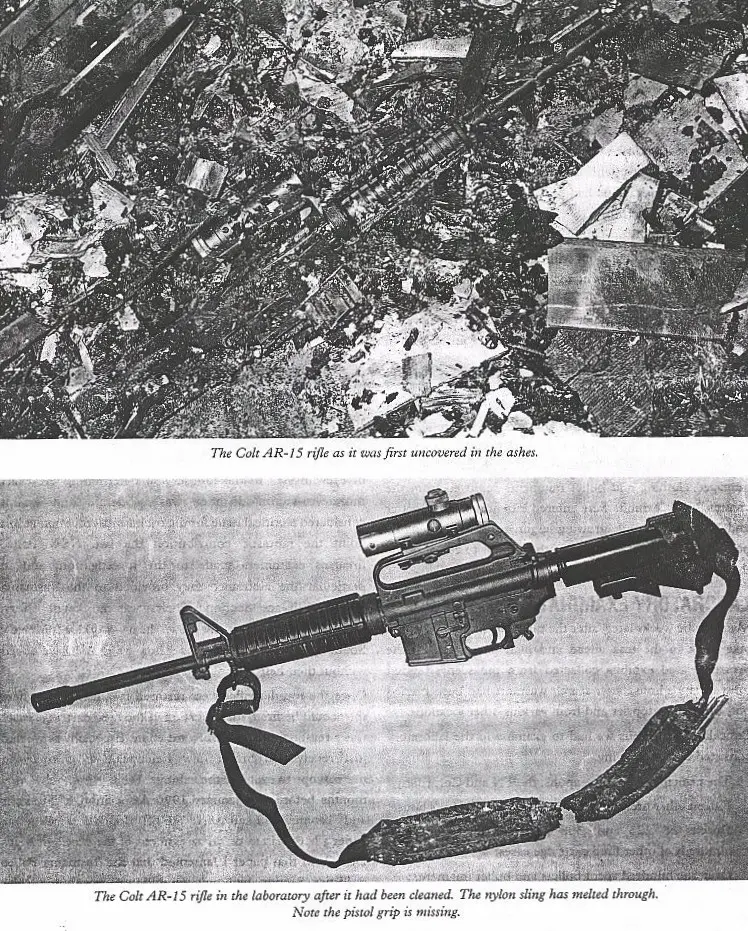
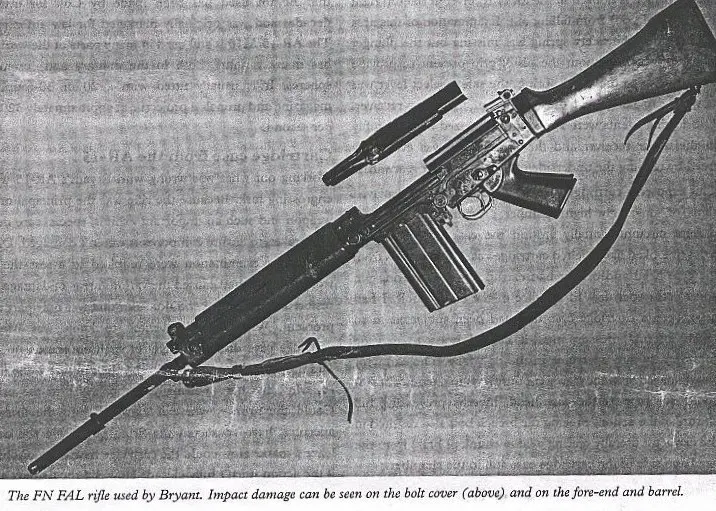
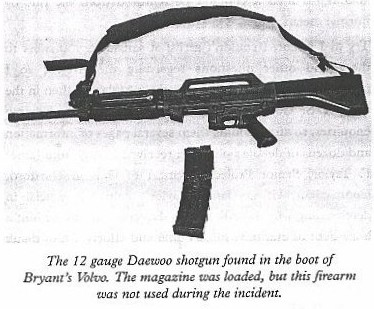
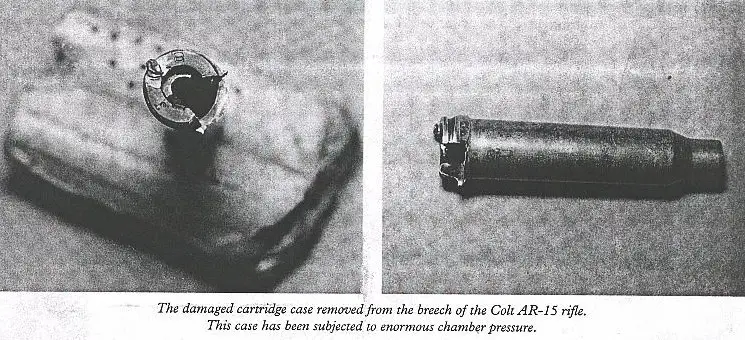
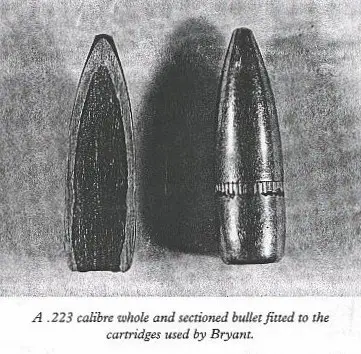
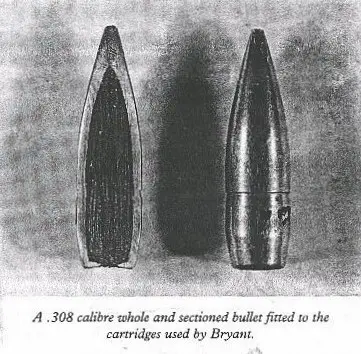
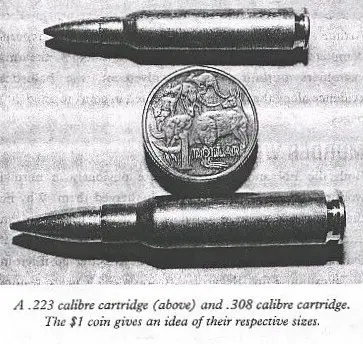
| Arsenal | Colt AR-15 SP1 semi-automatic rifle (.223 Remington) and FN FAL military battle rifle (7.62x51mm / .308 Winchester). |
| Judicial Penalty | Sentenced by the Supreme Court of Tasmania to 35 consecutive life sentences plus 1,035 years without parole in November 1996. Incarcerated at Risdon Prison's maximum-security Wilfred Lopes Centre. |
Developmental Profile and Background
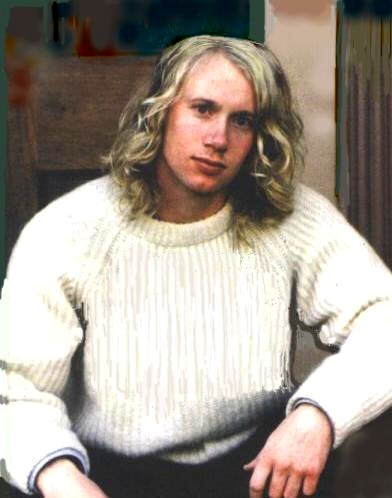
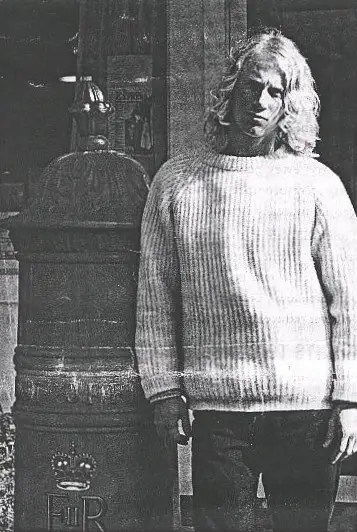
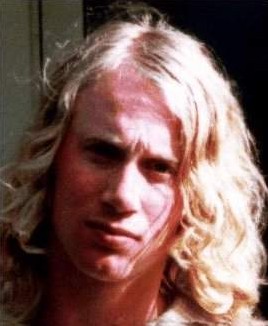
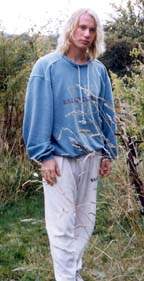
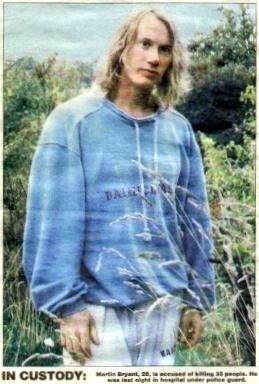
Martin John Bryant was born in Hobart, Tasmania, on May 7, 1967. Displaying profound cognitive and emotional atypicality from early childhood, he was assessed with an IQ of approximately 66, severe social communication impairments, and pervasive behavioral disturbance characterized by extreme animal cruelty and total lack of empathy.
In the late 1980s, he struck an unlikely domestic friendship with Helen Mary Harvey, a wealthy Tattersall's gambling heiress. Bryant became her companion; when Harvey died in a motor vehicle collision in 1992, she bequeathed Bryant vast rural properties and over $500,000 in cash assets.
Living in isolation, Bryant engaged in erratic global travel and exploited Tasmania's historically permissive firearm statutes to accumulate high-capacity military-grade centerfire rifles without registry or background scrutiny.
The Port Arthur Massacre (April 28, 1996)
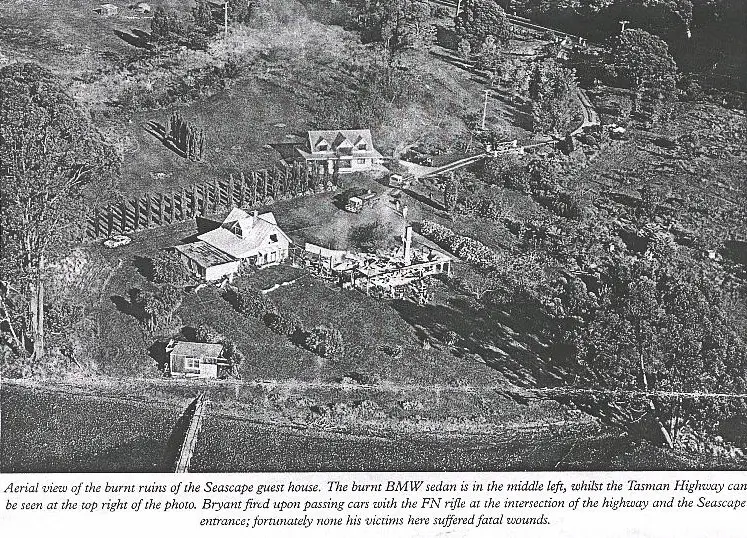
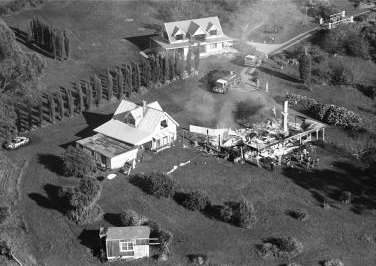
On the morning of April 28, 1996, Bryant commenced his spree by driving to Seascape Cottage, an inn his late father had once attempted to purchase. There, he executed the elderly proprietors, David and Noelene Martin.
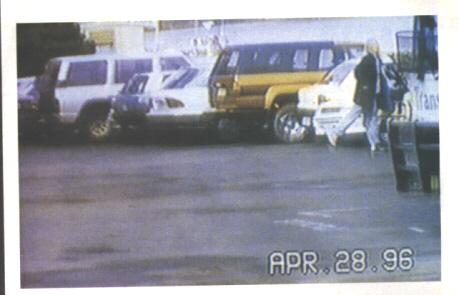
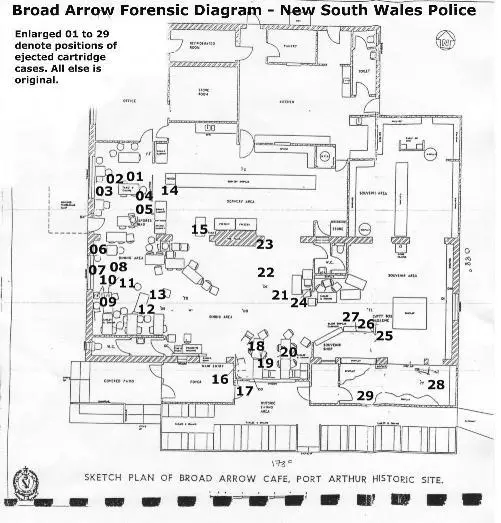
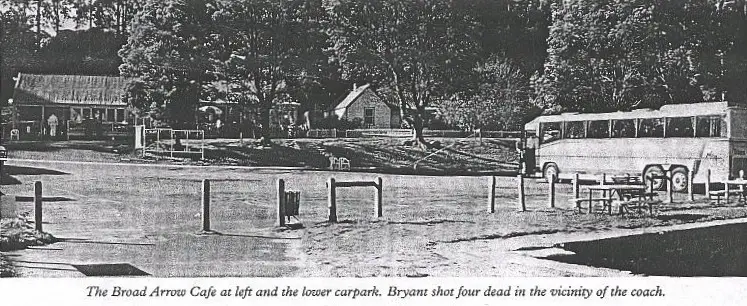
At approximately 1:10 PM, Bryant arrived at the bustling Port Arthur Historic Site, a colonial penal settlement drawing crowds of visitors. He purchased lunch at the indoor Broad Arrow Café, sat on the veranda, and calmly unzipped a sports duffel containing a Colt AR-15 semi-automatic rifle.
Firing from the hip with calculated mechanical speed, Bryant gunned down 20 patrons and wounded 12 others inside the enclosed café within 90 seconds. Victims had no time to comprehend the ambush.
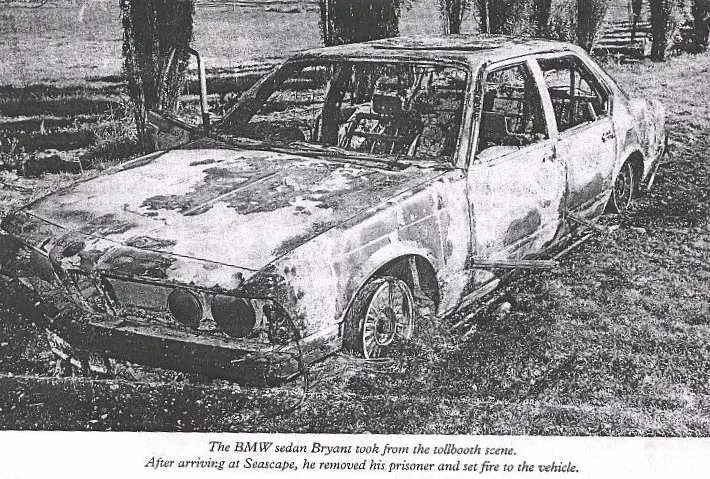
Exiting into the parking apron, he continued firing on tour coaches and pedestrians. He hunted down Nanette Mikac and her two young daughters, Alannah (6) and Madeline (3), executing them at close range along a gravel pathway. He then carjacked a BMW at gunpoint, killing its occupants at a tollbooth, and fled back to Seascape Cottage with a hostage.
The Seascape Standoff and Arrest
Surrounded by tactical units from the Tasmania Police and Special Operations Group (SOG), Bryant engaged in an eighteen-hour standoff, demanding an aircraft escape.
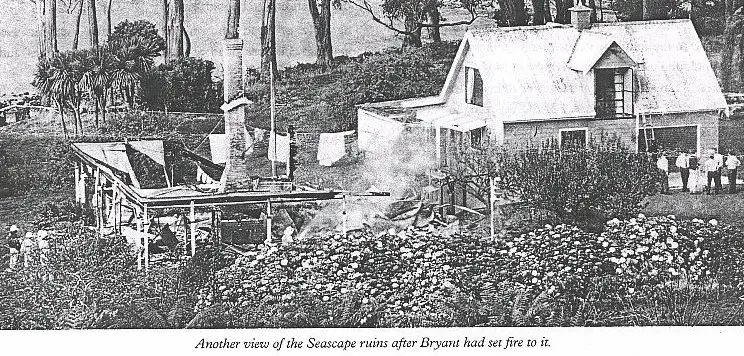
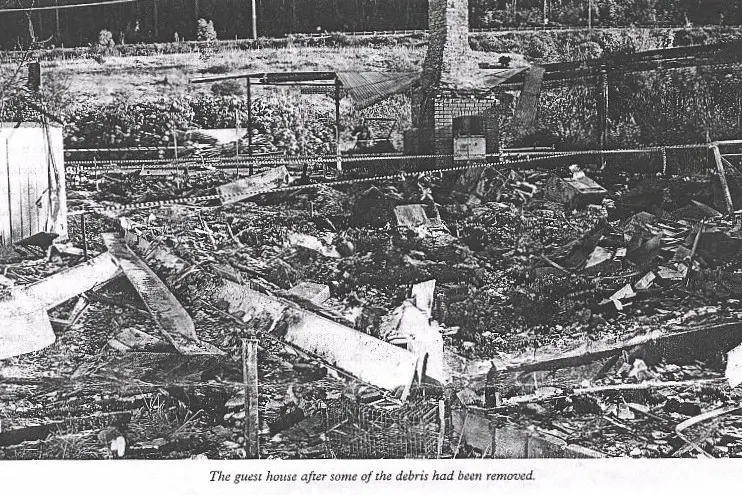
On the morning of April 29, 1996, Bryant set Seascape Cottage ablaze, emerging onto the lawn in flaming garments. Officers tackled and secured him. Inside the smoking debris, detectives discovered the incinerated bodies of the Martins and the murdered hostage.
Judicial Outcome and Australian Gun Reform
Indicted on 35 counts of murder and dozens of grievous bodily harm charges, Bryant initially pled not guilty, but reversed his plea to guilty on November 7, 1996, following overwhelming forensic ballistic and eyewitness proof.
Chief Justice William Cox sentenced Bryant to 35 consecutive terms of life imprisonment with an explicit order that he never be paroled.
The Port Arthur atrocity galvanized immediate structural change under Prime Minister John Howard. Within twelve days, federal and state governments established the 1996 National Firearms Agreement (NFA), completely banning rapid-fire long guns, instituting strict licensing requirements, and funding a nationwide mandatory buyback that destroyed over 650,000 firearms. The policy dramatically slashed gun violence across Australia and remains an international gold standard in public safety legislation.