




Forensic & Criminological Matrix
| Parameter | Forensic Detail |
|---|---|
| Forensic Heading / Aliases | N/A |
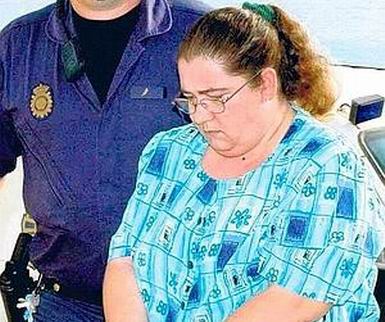
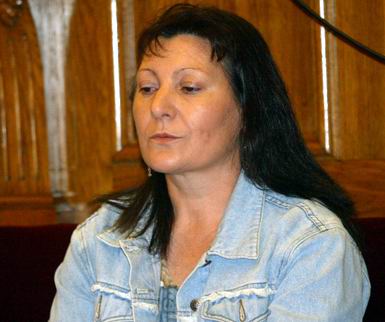
| Legal Identity | María Luisa Loayssa Cabeza |
| Confirmed Victims | 1 |
| Attributed / Indicted Victims | 1 |
| Active Timeline | January 3, 1988 |
| Jurisdiction / Area of Operations | Zamora, Spain |
| Criminological Classification | Homicide (Domestic Violence/Revenge) |
| Forensic Modus Operandi | Throat slitting with an electric knife |
| Weapon / Mechanism of Death | Domestic electric knife |
| Motive / Behavioral Dynamics | Accumulated resentment, abuse, and exploitation |
| Judicial Outcome | Sentenced to 20 years in prison |
1. Background and Profile
María Luisa Loayssa Cabeza was born in 1936 in Jerez de la Frontera. After working as a telephone operator in Madrid, she moved to Zamora, where she eventually entered the sex industry. She met Manuel Moreno Alonso, who was 16 years her junior. For 16 years, they lived together in a relationship characterized by Manuel's financial exploitation of María Luisa and his physical and emotional abuse.
2. Crime Spree
On January 3, 1988, after years of suffering abuse and seeing her savings squandered by Manuel on gambling, María Luisa attacked him while he was sleeping on their sofa. She used an electric kitchen knife to inflict a deep, fatal wound to his neck, severing his jugular and carotid artery. Despite the severity of the injury, the victim managed to exit the house before being found and taken to the hospital, where he died hours later.
3. Police Investigation and Forensic Hunt
The investigation was swift as the perpetrator turned herself in to the police shortly after the incident. She remained calm during her initial statement. Police recovered the electric knife from a nearby trash bag. Witness statements corroborated the victim's history of domestic tyranny and abuse toward the defendant.
4. Legal Proceedings and Outcome
During her trial in October 1988, Loayssa claimed self-defense and temporary insanity, citing prior death threats from the victim. The Zamora Provincial Court rejected these claims, sentencing her to 20 years in prison for murder, acknowledging the mitigating factor of spontaneous repentance.
5. Psychiatric Report and Conclusion
While she initially displayed a lack of remorse during her confession, her mental state reportedly collapsed after her incarceration, leading to a period of severe depression during her time in prison.