




Forensic & Criminological Matrix
| Parameter | Forensic Detail |
|---|---|
| Forensic Heading / Aliases | None |
| Legal Identity | María Dolores Maqueda |
| Confirmed Victims | 1 |
| Attributed / Indicted Victims | 1 |
| Active Timeline | August 27, 1994 |
| Jurisdiction / Area of Operations | Éibar, Guipúzcoa, Spain |
| Criminological Classification | Parricide |
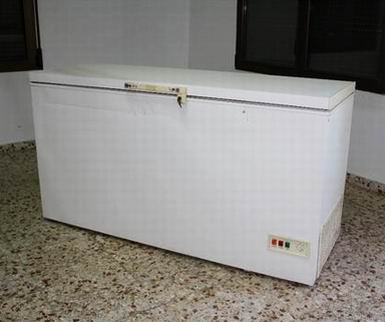
| Forensic Modus Operandi | Execution via firearm and bladed weapon; corpse concealment in a chest freezer |
| Weapon / Mechanism of Death | Handgun and 13cm automatic knife |
| Motive / Behavioral Dynamics | Domestic conflict and alleged abuse |
| Judicial Outcome | Sentenced to 20 years in prison (Supreme Court upheld) |
1. Background and Profile
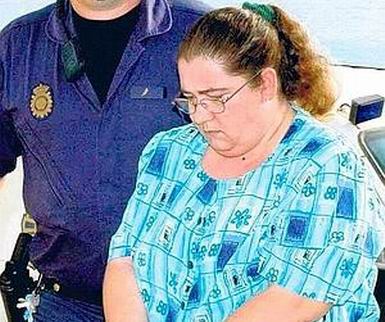
María Dolores Maqueda was in a domestic partnership with Antonio Valdés Echeverría, known as 'El Molina', a 41-year-old scrap metal dealer. The couple lived in Éibar and had two daughters together. Maqueda, who had previously worked as a sex worker in a club in Bergara, claimed during her trial that she had been subjected to systematic abuse by Valdés throughout their four-year relationship.
2. Crime Spree
On August 27, 1994, at their home in Éibar, Maqueda shot Valdés in the head while he was in bed. Upon realizing he was still alive, she stabbed him twice with a 13-centimeter automatic knife, with one wound piercing his heart, causing immediate death. With the assistance of her sister, Milagros, she cleaned the crime scene, removed bloodstains, and placed the body in a chest freezer, which was later moved to an adjacent vacant apartment in 1995.
3. Investigation and Arrest
The body was discovered in September 1996 after a power outage caused the freezer to thaw, resulting in a foul odor that alerted neighbors. The Éibar Municipal Police discovered the remains. Maqueda initially confessed to the crime but later recanted, attempting to blame a former pimp with whom she had a previous relationship.
4. Legal Proceedings and Outcome
Maqueda was arrested on September 30, 1996. During her trial at the Provincial Court of Guipúzcoa, the defense argued 'insurmountable fear' and concealment, seeking a minimal sentence. The court rejected these claims, citing forensic evidence and the reconstruction of the events, which proved premeditation and treachery. On March 8, 2000, she was sentenced to 20 years in prison for murder with the aggravating circumstance of kinship. The Supreme Court upheld the sentence in August 2001.