



Forensic & Criminological Matrix
| Parameter | Forensic Detail |
|---|---|
| Full Legal Name | Margaret Allen. |
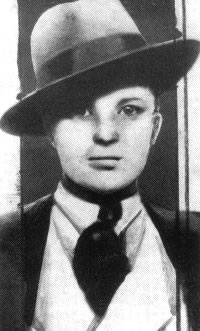
| Social Identity | Identified as male under the name "Bill" Allen; wore exclusively masculine attire. |
| Historic Legal Landmark | First woman hanged in Great Britain in twelve years (since 1936). |
| Criminological Typology | Impulsive blunt-force homicide perpetrator / Instrumental robbery and despair. |
| Date of Crime | Saturday, August 28, 1948. |
| Crime Scene | 137 Bacup Road, Rawtenstall, Lancashire, United Kingdom. |
| Fatal Victim | Nancy Ellen Chadwick (aged 68), eccentric widowed neighbor. |
| Murder Weapon | Heavy carpenter's claw hammer (multiple crushing depressed skull fractures). |
| Judicial Penalty | Capital execution by hanging. Hanged at Strangeways Prison, Manchester, on January 12, 1949, by executioner Albert Pierrepoint. |
Identity and Background
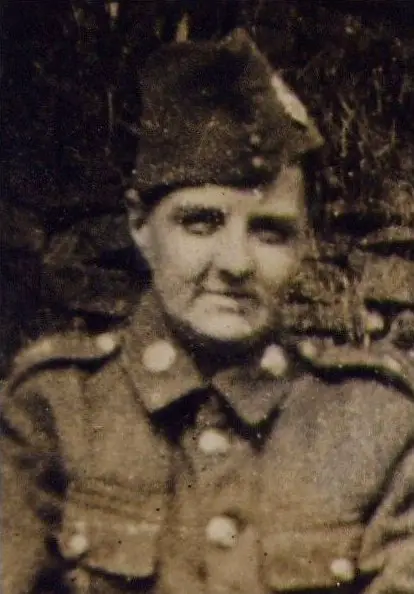
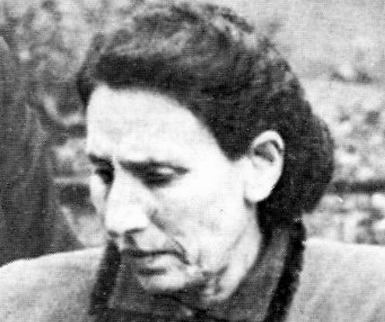
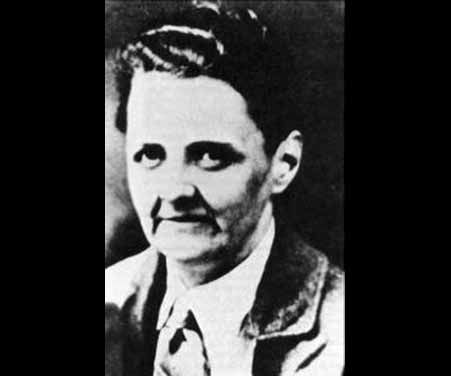
Margaret Allen was born in Rawtenstall, Lancashire, on September 2, 1906, the twentieth of twenty-two children in a poor coal-mining family. From early adulthood, she openly subverted mid-20th-century gender norms: she cropped her hair short, wore men's trousers and coats, and insisted on being addressed as "Bill" Allen. During World War II, Allen gained local prominence as an energetic bus driver and mechanic.
By 1948, however, Allen's life deteriorated severely into unemployment, malnutrition, and acute depression. She lived in isolation at 137 Bacup Road, where utilities had been disconnected for arrears.
The Murder of Nancy Chadwick (August 1948)
On the morning of August 28, 1948, Nancy Ellen Chadwick, an eccentric 68-year-old neighbor known to carry small amounts of cash sewn into her clothes, walked past Allen's front door. Allen invited her inside for tea.
Once inside the scullery, according to Allen's subsequent statements, Chadwick began badgering her for tea and sugar while Allen was nursing an agonizing headache. In a burst of violent rage, Allen grabbed a carpenter's hammer and bludgeoned Chadwick repeatedly about the skull until she collapsed dead in a pool of blood. Allen searched her coat, finding only a few shillings, and concealed the corpse in the cellar.
Three days later, in the early hours of September 1, Allen hauled the corpse through the front vestibule and unceremoniously dumped it onto the roadway outside, attempting to stage a nocturnal vehicular hit-and-run accident.
Forensic Trail and Straightforward Confession
A passing bus driver spotted the corpse at daybreak. Forensic pathologists quickly dismissed a road collision, noting localized depressed skull lacerations inflicted by a small blunt striking tool.
Detectives from the Lancashire Constabulary noticed a distinct trail of scrubbed blood drops leading from the body directly to Allen's doorstep. Inside 137 Bacup Road, forensic tests illuminated washed bloodstains on the walls and baseboards, and Chadwick's blood-soaked purse was found hidden in the coal bunker.
Confronted with the physical evidence, Allen offered immediate, blunt admissions: "I have nothing to say, except I did it. I battered her with a hammer... I was in a funny mood."
Trial and Execution
Allen stood trial at the Manchester Assizes in December 1948. Defense counsel mounted an insanity plea predicated upon constitutional instability and severe depressive exhaustion. Crown alienists testified that Allen was legally sane under the M'Naghten Rules. The jury reached a guilty verdict after fifteen minutes.
The Home Secretary declined to grant a reprieve. On January 12, 1949, Margaret "Bill" Allen was hanged at Strangeways Prison in Manchester by Albert Pierrepoint, remaining a notable case in British social and legal history.